
Differences Between Genuine and Fake Vehicle Registration Documents: How to Verify When Buying Used Vehicles
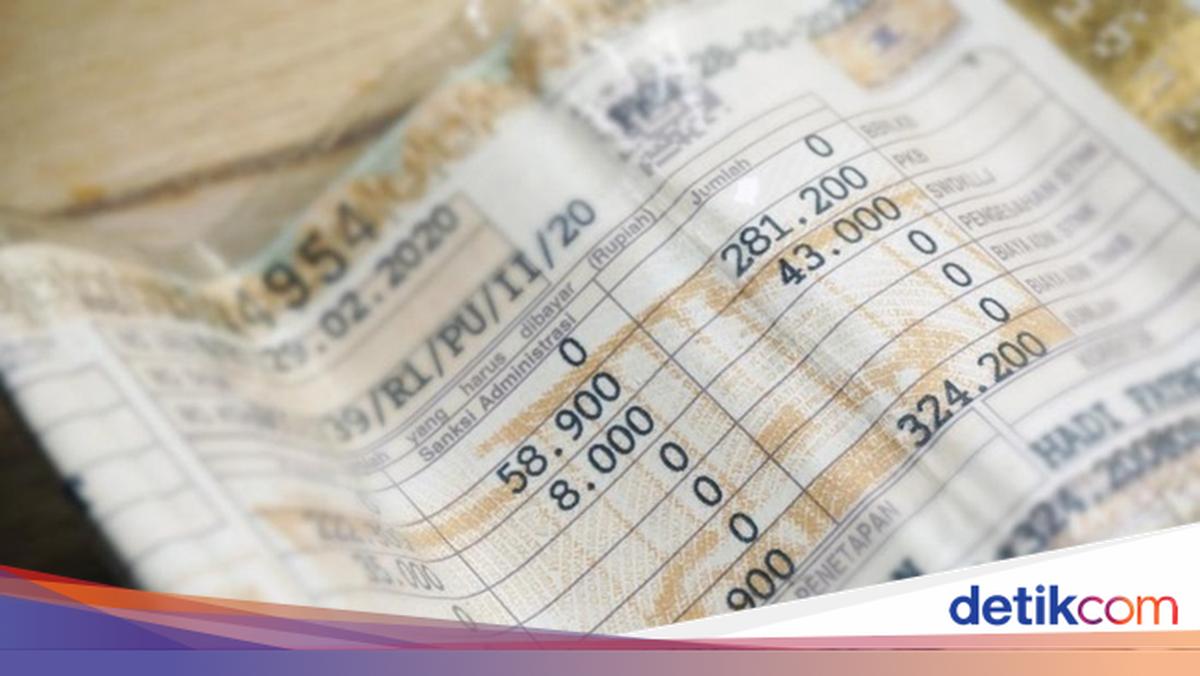
Individuals intending to purchase second-hand vehicles are urged to exercise caution and understand the differences between authentic and counterfeit Vehicle Registration Certificates (STNK). Verifying the authenticity of the STNK is crucial to ensure the legal status of the vehicle being purchased.
Korlantas Polri has provided official guidance regarding the distinguishing characteristics between valid and invalid documents. Buyers are advised not to take claims of ‘complete’ documentation at face value without conducting further verification.
Characteristics of Authentic STNK
Specific security features are embedded by the police in valid STNKs. These security marks serve as proof of the document’s authenticity. Key features to note include:
Physically, the document contains holograms and special printing on the paper.
It features QR codes and barcodes that can be scanned effectively.
Vehicle data is officially registered within the Samsat database.
Characteristics of Fake STNK
Conversely, counterfeit documents circulating in the market often exhibit poor physical quality and lack legality. Such documents are commonly used to disguise the status of stolen vehicles. Warning signs include:
The printing quality appears blurry or untidy.
Vehicle data is not found when checked against the Samsat system.
Based on these guidelines, the public is strongly advised to verify documents directly at the nearest Samsat office before finalising any second-hand vehicle transaction.
4 Characteristics of Authentic Samsat Number Plates and How to Check Them
Vehicle number plates must not be used arbitrarily. Vehicle owners must be aware of the characteristics of authentic Samsat number plates to avoid legal issues on the road resulting from the use of makeshift or ‘custom-made’ plates.
Korlantas Polri has established standard specifications for legally valid vehicle number plates. The public can easily distinguish between authentic plates and counterfeits by observing material details or performing simple tests.
Specifications of Official Samsat Number Plates
According to official police guidelines, valid number plates possess unique secret marks and high-quality materials designed to prevent forgery. Details include:
Plates are made of thick, sturdy aluminium and are precisely printed.
The plates use special reflective paint that reflects light when hit by vehicle headlights at night.
The font for letters and numbers is rigid, following the standard specifications of Korlantas Polri.
They feature secret marks, such as embossed logos of ‘KORLANTAS POLRI’ or ‘POLISI LALU LINTAS’ integrated into the plate material.
How to Check Plates Using the ‘3-Second Test’
In addition to visual inspection, police officers have shared a quick trick to validate the authenticity of vehicle number plates, known as the ‘3-Second Test’:
Flashlight Test: Shine a mobile phone flashlight at the number plate in a dark area. Authentic plates will appear to glow or reflect light, whereas counterfeit plates will appear dull.
Tactile Check: Feel the edges or empty areas of the plate. Official Samsat-issued plates are required to have embossed areas featuring the Korlantas Polri logo.
Font Aesthetics: Carefully observe the arrangement of the numbers. Police-issued printing is precise and uniform. If numbers appear tilted, strangely shaped, or too closely spaced, the plate is likely a makeshift version.