
DHL Express strengthens logistics network with environmentally friendly vehicles
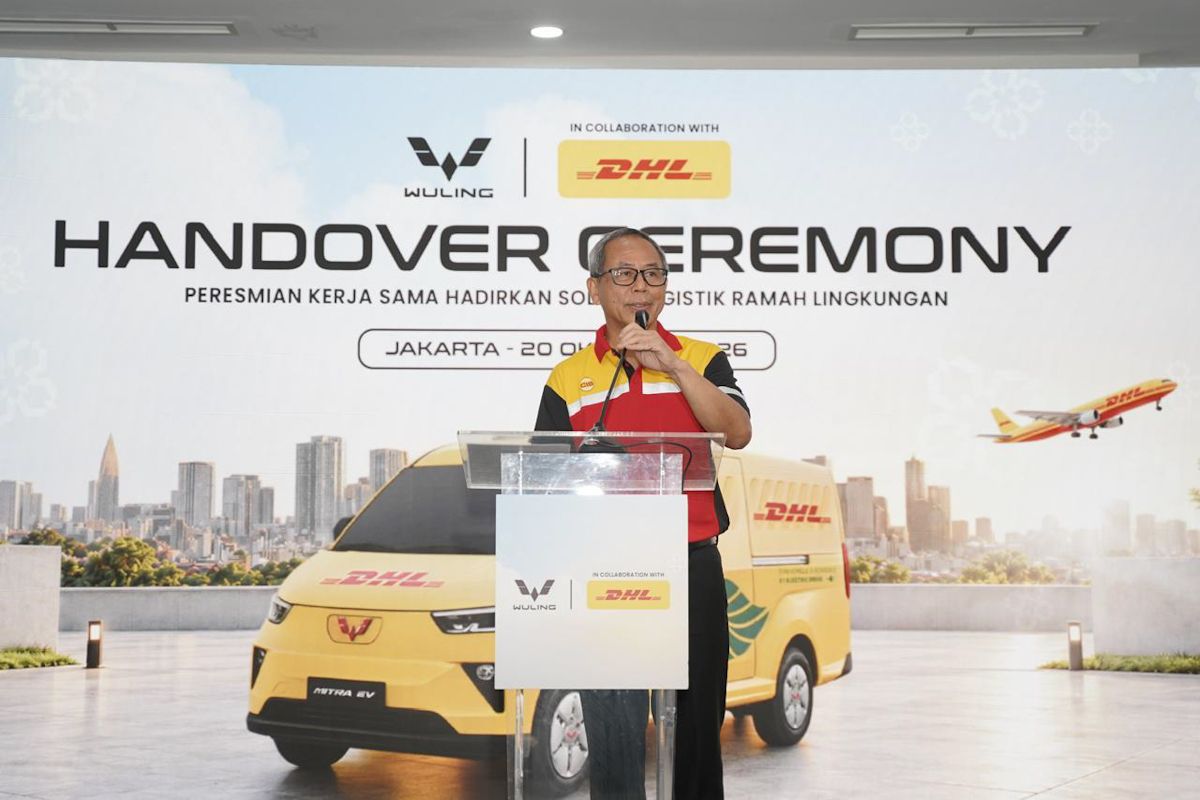
Jakarta (ANTARA) – DHL Express Indonesia is strengthening its national logistics network by operating 58 environmentally friendly electric vehicles to support trade connectivity, delivery efficiency and reductions in operational emissions across Indonesia.
Ahmad Mohamad, Senior Technical Advisor at DHL Express Indonesia, said the growth of global trade had led customers to expect logistics services that were both operationally excellent and genuinely committed to environmental sustainability.
“The electric vehicles help us reduce emissions from delivery activities while strengthening our ability to support customers involved in international trade,” Ahmad said in a statement in Jakarta on Thursday.
Before its latest fleet expansion, DHL Express Indonesia operated 28 electric vehicles. It has since added 30 Wuling Mitra EV Blind Van Long Range vehicles, bringing its total electric fleet to 58.
Of the newly added vehicles, 20 have been deployed in Jakarta, eight in Surabaya, and one each in Bandung and Semarang, bolstering lower-emission delivery operations.
The move comes as international trade ties deepen and businesses pay greater attention to reducing the environmental impact of their activities and supply-chain management.
According to the DHL Global Connectedness Report 2026, Indonesia has strong trade links with major economies around the world, particularly China, Singapore and the United States, which continue to drive logistics activity.
Meanwhile, the DHL Globalization Tracker shows that intra-Asian trade is continuing to grow, creating greater opportunities for Indonesian companies to expand their access to regional and global markets.
Against this backdrop, more Indonesian companies are allocating dedicated budgets to environmental programmes as part of strategies to improve competitiveness, investment and long-term business resilience.
This is prompting logistics companies to seek solutions that can reduce operational emissions without compromising the speed, reliability or quality of service required by customers across business sectors.
For DHL Express, ground transport is the main link between its global logistics network and local customers, making electric vehicles important in reducing emissions through the final stage of delivery.
Deploying electric vehicles outside Jakarta also gives customers a wider range of services as new logistics hubs develop, including in Surabaya and Semarang, which are playing an increasingly important role in national trade.
DHL Express Indonesia now operates 58 electric vehicles out of a total operational fleet of 261, reflecting the growing use of electric commercial vehicles in the country’s logistics sector.
Globally, DHL Group operates more than 1,400 electric vehicles in Asia-Pacific. It aims to achieve net-zero emissions by 2050, with more than 66 per cent of its fleet to be electric and sustainable aviation fuel to account for more than 30 per cent by 2030.
Meanwhile, Wuling Motors Vice President Arif Pramadana thanked DHL Express for its confidence in the company, demonstrated by the use of the Mitra EV in its operational fleet.
“This is one example of collaboration between the two companies to provide mobility solutions that can support business operational needs,” Arif said.
He said he hoped the partnership would benefit DHL Express’s operations and create wider opportunities to support the development of Indonesia’s electric-vehicle ecosystem.