
Dharmais Cancer Hospital Implements NGS to Support Precision Diagnostics
Jakarta (ANTARA) - The National Cancer Centre, Dharmais Hospital, has begun implementing Next-Generation Sequencing (NGS) technology to support precision diagnostic services for cancer patients, particularly those with breast cancer, lung cancer, and Chronic Lymphocytic Leukaemia (CLL).
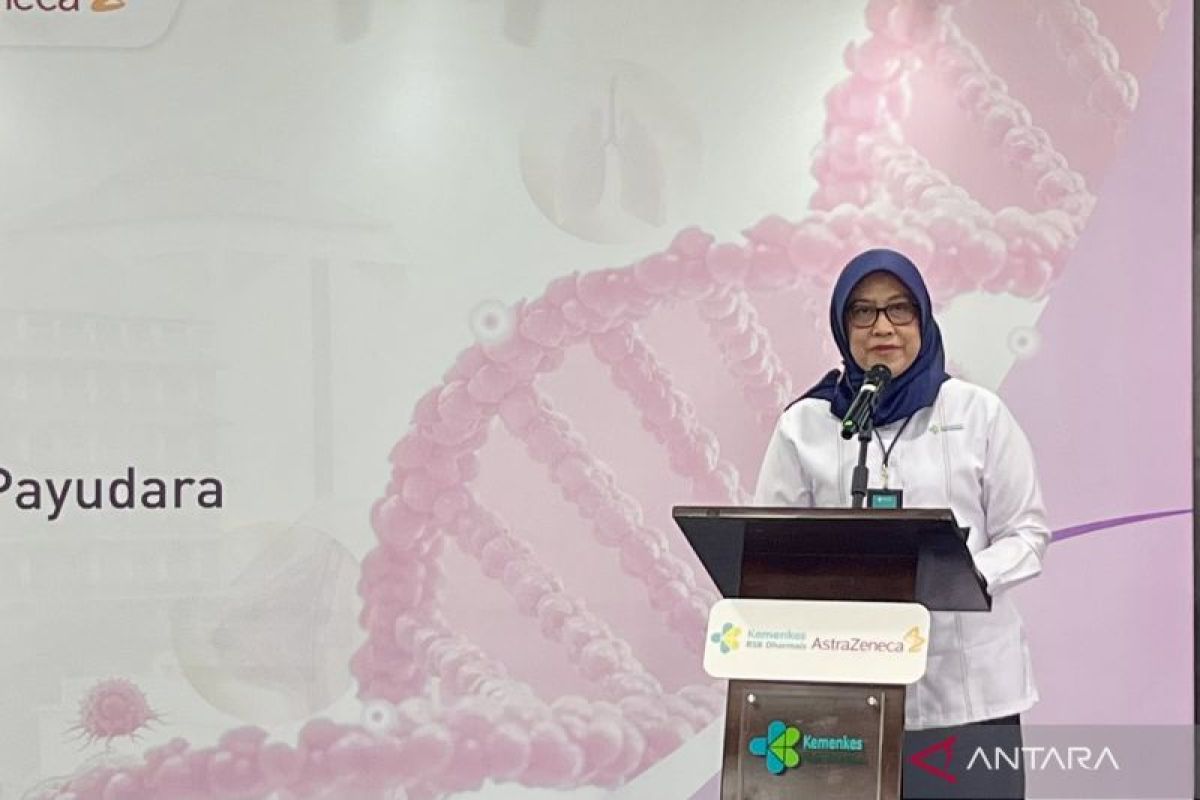
The President Director of Dharmais Hospital, dr. Eniarti, M.Sc., Sp.KJ., M.M.R., QHIA, stated during a press conference in Jakarta on Thursday that strengthening precision diagnostic services is vital given the high incidence of cancer and the complex, varying characteristics of the disease in each patient. “This strategic collaboration is part of our efforts to continuously increase cancer management capacity, specifically through the strengthening of precision diagnostic services,” said Eniarti.
NGS technology enables comprehensive mapping of genomic biomarkers from both tissue and blood samples. Through these examinations, doctors can obtain a more detailed view of the molecular characteristics of cancer, thereby supporting the determination of more targeted therapies. dr. Eka Widya Khorinal, Sp.PD-KHOM, FINASIM, a consultant haematology-oncology specialist at Dharmais Hospital, noted that NGS allows for the examination of various genomic biomarkers in a single test. “With more complete molecular information, doctors can understand the characteristics of a patient’s disease more deeply, accelerate the determination of treatment strategies, and support more personalised and targeted therapy decisions,” said Eka.
The implementation of NGS covers examinations for HR+/HER2- breast cancer, non-small cell lung cancer (NSCLC) adenocarcinoma, and CLL. The technology allows for the identification of up to 45 types of gene mutations in breast and lung cancers, as well as 23 types of gene mutations in CLL. “Comprehensive molecular examinations such as NGS help doctors understand the specific biological characteristics of the disease so that therapeutic decisions can be supported by stronger and more precise information,” he added.
Echoing this sentiment, dr. Abdul Muhaimin Husein, M.Sc., Sp.B(K) Onk, an oncology surgeon at Dharmais Hospital, noted that breast cancer is not a uniform disease, meaning patients with the same diagnosis may have different biological characteristics and therapeutic responses. According to him, more comprehensive molecular examinations can help doctors simultaneously identify various genetic changes related to cancer, allowing for more informed clinical decisions.
Dharmais Hospital hopes that the implementation of NGS will strengthen evidence-based cancer services and expand patient access to more advanced diagnostics. In addition to supporting the determination of therapies tailored to a patient’s genetic profile, the technology is also expected to improve the quality of service and clinical outcomes for cancer patients in Indonesia.