
Dharma Pongrekun's Constitutional Challenge Against Health Law Provisions Fails
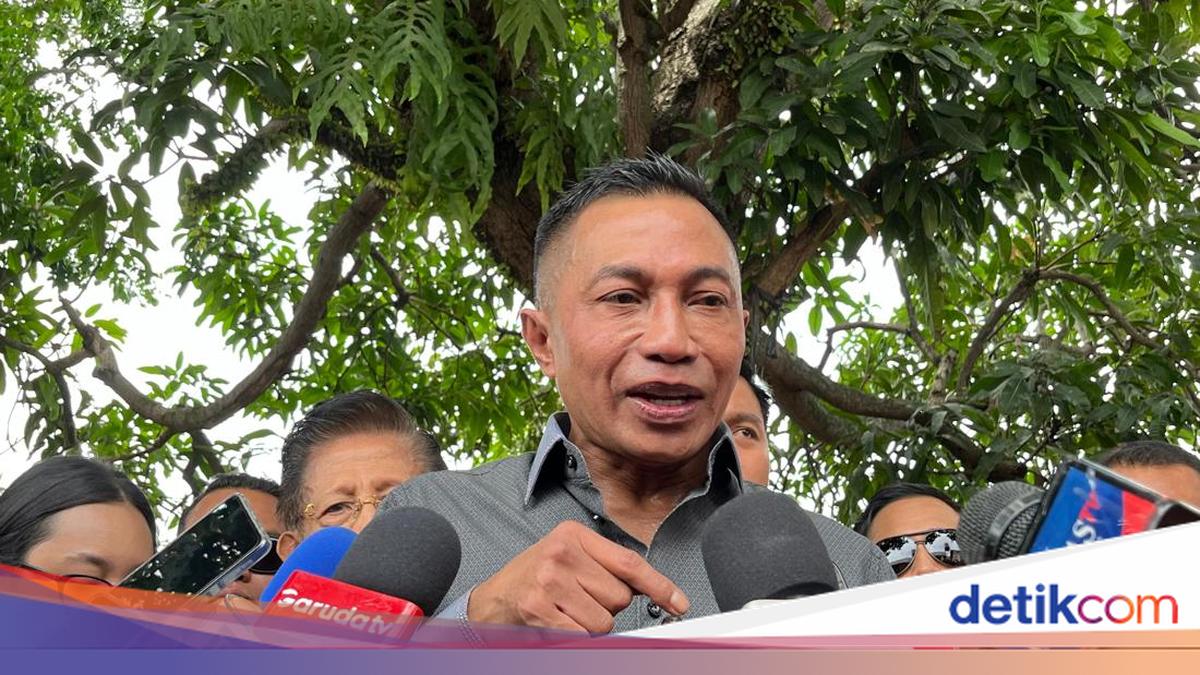
The Constitutional Court (MK) has dismissed a legal challenge brought by former Deputy Head of the State Cyber and Crypto Agency (BSSN) Dharma Pongrekun against the Health Law. The petition, registered under number 172/PUU-XXIV/2026, contested several articles of Law No. 17/2023 concerning Health.
Pongrekun challenged Article 353 paragraph (2) letter g, which allows the minister to set other criteria for determining an extraordinary event (KLB). He also contested Article 394, which obliges everyone to comply with all KLB and outbreak control measures implemented by the central and regional governments; Article 395 paragraph (1), concerning the obligation to report sick individuals; Article 400, which prohibits anyone from obstructing KLB and outbreak control efforts; and Article 446, which stipulates a maximum fine of Rp 500 million for those who intentionally obstruct such efforts.
In his petition, Pongrekun argued that these provisions had the potential to harm his constitutional rights, particularly the right to personal protection and a sense of security, including bodily sovereignty, as guaranteed by Article 28G paragraph (1) of the 1945 Constitution. He contended that the phrase ‘obstructing’ in Article 400 was too broad, creating legal uncertainty. He further argued that the unclear parameters for determining a KLB, combined with the broad interpretation of ‘obstructing’ and the threat of excessive criminal fines, created unjust legal uncertainty.
Pongrekun requested that the court declare the articles unconstitutional unless interpreted with specific conditions, such as requiring scientific evidence and transparency for KLB criteria and respecting the right to medical consent. He expressed concern that the minister’s discretionary power to set KLB criteria without adequate objective indicators or effective oversight mechanisms could lead to subjective and unilateral application, with systemic consequences including emergency budget allocations, mobility restrictions, and potential limitations on civil rights. He also claimed Article 394 placed citizens in an unequal position before the state, obliging them to submit to unpredictable and non-transparent norms. The petition underwent significant revision, with up to 85 per cent of its substance being altered during the proceedings.