
Dharma Pongrekun Urges Constitutional Court to Review Health Law to Safeguard Sovereignty
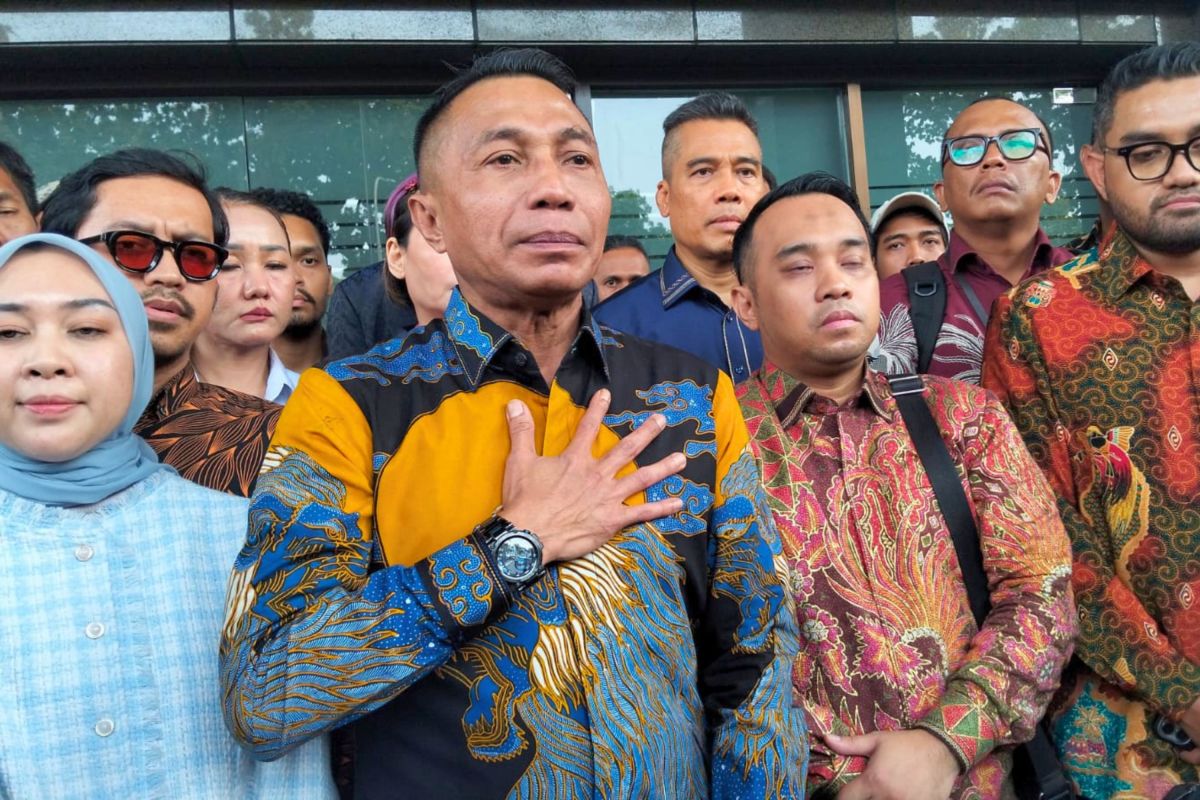
Jakarta (ANTARA) - The former Head of the National Cyber and Crypto Agency (BSSN), Dharma Pongrekun, has requested the Constitutional Court (MK) to review Law Number 17 of 2023 concerning Health in order to safeguard national sovereignty. He assessed that the current situation is at a very crucial stage, where there is a potential threat to national sovereignty hidden behind several global health policies.
“This needs to be examined seriously because it has the potential to threaten national sovereignty,” Dharma stated in a briefing received in Jakarta on Wednesday.
According to him, the Indonesian government has not yet declared its opposition to the amendments to the International Health Regulations (IHR) initiated by the World Health Organisation (WHO). Dharma likened the IHR amendments to a threat that could be used at any time to influence national health policy, describing the amendments as the “tip of the cannon” being aimed at the nation through health issues.
He argued that the enactment of Law Number 17 of 2023 actually creates greater space for such influence. For instance, Dharma highlighted Article 446 of the Health Law, which regulates sanctions for parties that obstruct the management of outbreaks or extraordinary events. He noted that this provision could lead to problems if applied to members of the public who have objections to vaccinations based on specific religious beliefs.
“We are concerned that the freedom to practice one’s beliefs may be disturbed if there is coercion accompanied by the threat of sanctions,” he said.
He also linked his concerns regarding the IHR amendments, the existence of the Health Law, and the possibility of future extraordinary events or pandemics. He argued that while these three elements might not appear dangerous individually, their combination poses a potential risk to state sovereignty. Therefore, he emphasised the need for deep scrutiny.
Dharma urged the Constitutional Court to take a strategic role in protecting national sovereignty through its ruling on the matter. He emphasised that his request is grounded in the desire for citizens to continue practicing their beliefs and worship according to their respective teachings. Furthermore, he stressed the importance of public trust in the judiciary, stating that justice is determined not only by the letter of the law but also by the conscience of judges in its application. He warned that the authority of judicial institutions would lose meaning without public trust. Consequently, he hopes the constitutional judges will consider the case carefully, as it concerns the future of the nation. He expressed hope that the Court’s decision would not only adhere to formal legal aspects but also consider the impact on society and national sovereignty.