
Dharma Jaya pushes for food self-sufficiency in Jakarta, reduces imported cattle reliance
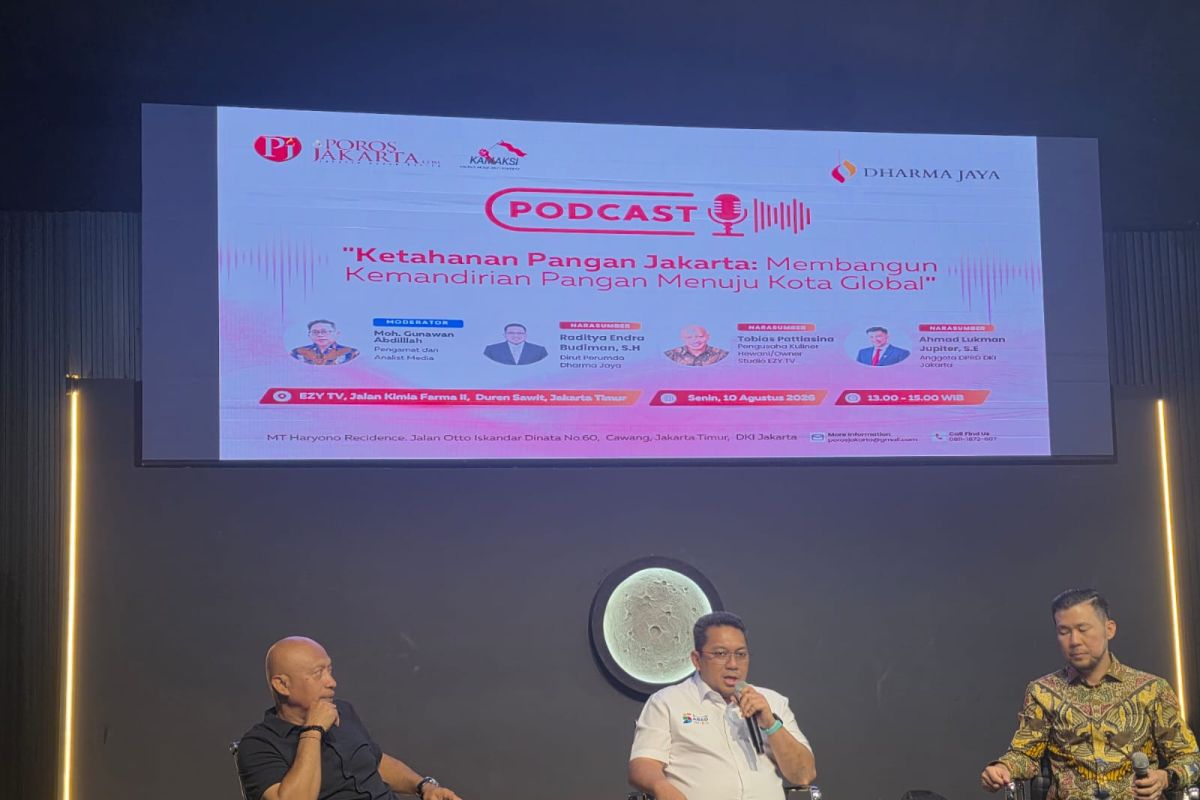
Jakarta (ANTARA) - Regional-owned enterprise Perumda Dharma Jaya is pushing for food self-sufficiency in Jakarta by strengthening local protein production and developing integrated farming to reduce dependence on imported cattle supplies. Dharma Jaya President Director Raditya Endra Budiman stated that strengthening food security is a crucial part of supporting Jakarta as a global city, particularly in ensuring the availability of affordable animal protein for the public. As a municipally-owned enterprise operating in the food sector, Dharma Jaya is not only maintaining supply availability but also expanding public access through various affordable food programmes. One such initiative is the mobile market operation called ‘Jawara’, which targets residential areas. ‘Every day we tour six urban villages using vehicle fleets. We coordinate the schedule with the village authorities several days before the cheap bazaar is held, so the information is properly conveyed to the public,’ Raditya said during a discussion event in Jakarta on Monday (10/8). In addition to targeting recipients of the Cheap Food Card, Dharma Jaya also provides an economical meat package option priced at Rp20,000, which can be purchased through various online shopping platforms. This single-cook portion product is expected to help meet daily household nutritional needs without adding to household expenses. Raditya noted that a major challenge in stabilising beef prices is the high dependency on live cattle imports, especially from Australia. This condition makes beef prices vulnerable to rupiah exchange rate fluctuations and global economic turmoil. To reduce this dependency, Dharma Jaya is preparing to develop an integrated farming and livestock area on 20 hectares of land in Ciangir, Tangerang, Banten. ‘Our plan in Ciangir is to build an integrated livestock ecosystem, starting from a fattening facility with a capacity of 5,000 live cattle, a feed factory, a Wastewater Treatment Plant (IPAL), to a slaughterhouse and cold storage,’ he explained. Beyond Ciangir, Dharma Jaya is also optimising land in the Serang area to serve as a centre for coaching local breeders. This strategy is taken to address the fundamental weakness of local cattle, which often cannot compete due to varying standards of feed and care among traditional breeders. By strengthening the livestock ecosystem and increasing the capacity of local cattle breeders, Dharma Jaya hopes the portion of domestically produced meat can continue to rise, thereby reducing import dependency. Raditya added that the effort to build food self-sufficiency in Jakarta requires synergy from all parties, not just Dharma Jaya alone. He expressed hope for full and continuous support from the executive branch under the leadership of Jakarta Governor Pramono Anung, close partnerships with Commissions B and C of the Jakarta Regional House of Representatives (DPRD), as well as active collaboration with the Chamber of Commerce and Industry (Kadin) and local distributors to ensure the supply of animal protein for Jakarta residents remains safe, healthy, of high quality, and affordable. Commission B DPRD member Jupiter affirmed the council’s commitment to overseeing the food security budget as it concerns the basic rights of the people. However, he acknowledged the fiscal challenges in 2026, noting a contraction in the Jakarta Regional Budget from an initial projection of Rp91 trillion to around Rp81 trillion due to uncertainty in profit-sharing funds from the central government. Despite the pressure on regional fiscal capacity, Commission B is committed to prioritising the food subsidy budget. Jupiter also urged Dharma Jaya to take bold steps to break the import dependency, including recruiting foreign experts to train local human resources. ‘Global conditions are uncertain, and the dollar is strengthening. We must be self-sufficient and emulate neighbouring countries like Malaysia or Vietnam that already rely on domestic production. We can recruit livestock experts to educate our human resources so that this independent food management runs optimally,’ Jupiter said. Meanwhile, culinary business representative Tobias highlighted the importance of maintaining the food supply chain. He noted that price fluctuations in commodities like chicken and beef directly impact public purchasing power and children’s health, particularly in addressing stunting.