
Dharma Jaya Aims to Slaughter 250 Sacrificial Cattle Per Day
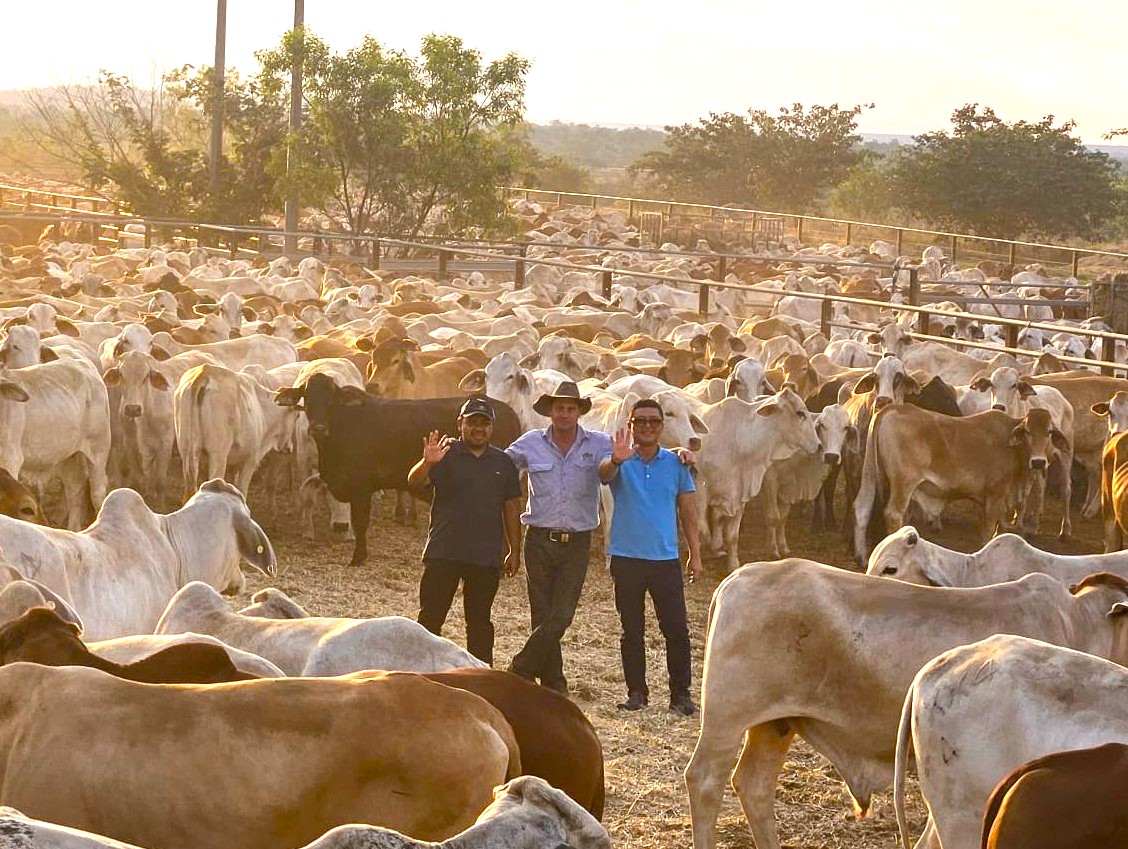
Perumda Dharma Jaya has affirmed its readiness to undertake the slaughter of thousands of sacrificial cattle for Eid al-Adha 1447 H. This readiness is fully supported by the confidence of several state institutions and community organisations that have selected Dharma Jaya as the partner to manage sacrificial livestock in Jakarta. Large agencies such as the Supreme Court (MA), the Financial and Development Supervisory Board (BPKP), the Indonesian Competition Supervisory Commission (KPPU), and the Ministry of Communications and Digital (Komdigi) have confirmed their collaboration in the slaughter of sacrificial animals. The Nahdlatul Ulama Executive Board (PBNU) has also engaged in similar collaboration.
Dharma Jaya’s Director of Business, Irwan Nusyirwan, emphasised the company’s commitment to provide safe, healthy and trustworthy sacrificial-slaughter services. All processes will be carried out using Meat Processing House (RPH) facilities that hold Veterinary Control Numbers (NKV) and Halal certification.
‘Our semi-mechanical slaughter facilities have an operational capacity of 200 to 250 head per day. As part of service standardisation, we deploy 100 professional personnel, including Juru Sembelih Halal (JULEHA) certified slaughterers and a competent packaging team,’ Irwan said.
Irwan added that this cross-agency synergy is not merely about slaughter, but a joint effort to ensure that the sacrificial meat distributed to Jakarta residents meets ASUH standards (Safe, Healthy, Whole and Halal). Therefore, Dharma Jaya provides an end-to-end solution for managing sacrificial meat, from upstream to downstream.
‘Our services cover slaughtering, carcass separation, and customised packaging by kilogram. We have prepared these to facilitate distribution that is more practical and hygienic for the public,’ he added.
To guarantee quality, all sacrificial animals managed by Dharma Jaya must undergo stringent checks by a team of veterinarians to ensure they are free from foot-and-mouth disease (FMD) and other infectious illnesses. Through the company’s cold-chain facilities, the meat distribution chain remains fresh until it reaches eligible recipients.