
DFSK Optimistic Indonesia Will Drive Automotive Industry Growth
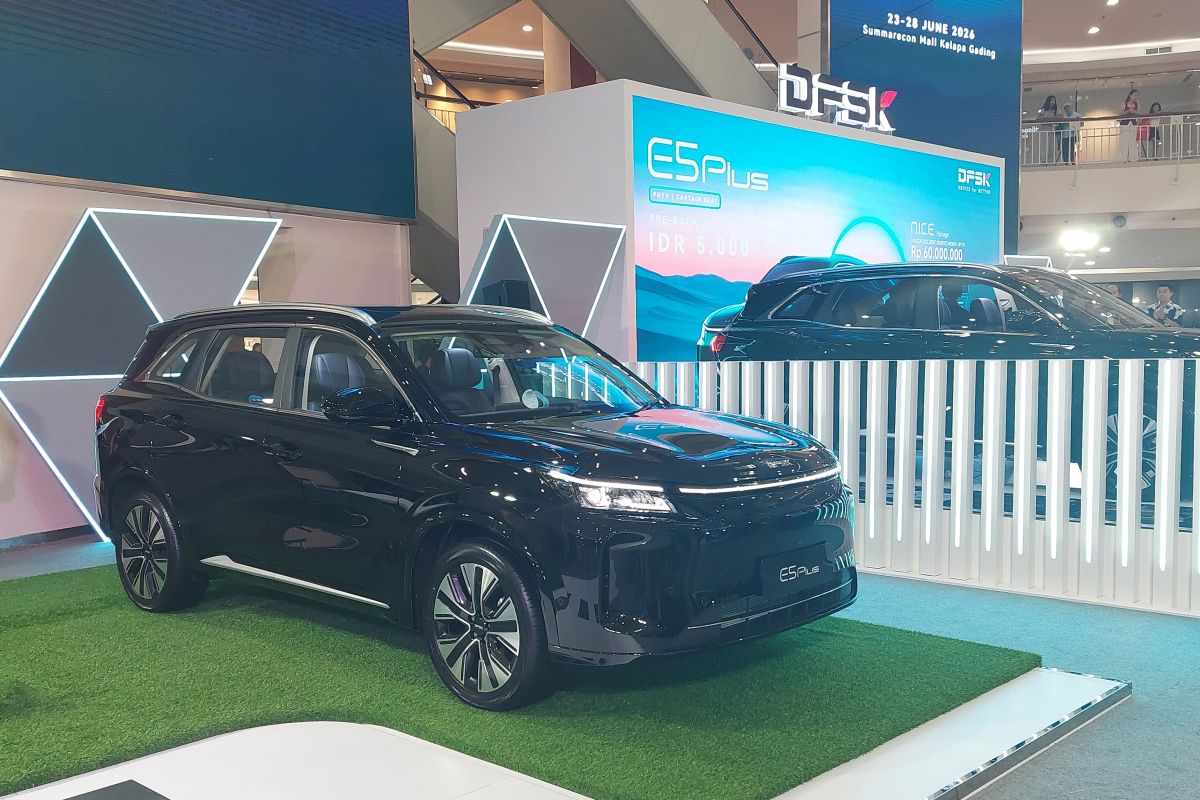
Jakarta (ANTARA) - PT Sokonindo Automobile, the brand holder for DFSK in Indonesia, has expressed optimism regarding the prospects of the national automotive market, positioning Indonesia as one of the strategic bases for business development.
Alexander Barus, Chief Executive Officer (CEO) of PT Sokonability Automobile, stated that this confidence served as the foundation for the company to establish a production facility in Cikande, Banten, even before marketing its first vehicle in Indonesia.
“We see that Indonesia is a strategic market and serves as a centre for mobility transformation in Southeast Asia. Therefore, we built our factory in Indonesia with full confidence in this market’s potential,” Alexander said during the launch of the DFSK E5 Plus pre-booking programme in Jakarta on Monday.
He highlighted a departure from the common approach used by automotive industry players, which typically involves starting sales before establishing production facilities.
According to him, DFSK chose to invest first through the construction of a factory because it recognised the long-term prospects of the national automotive industry.
Alexander believes that Indonesia plays a vital role in the future development of the automotive industry within the region.
With a large population, continuous economic growth, and the potential for the adoption of new vehicle technologies, Indonesia is considered capable of becoming a driver for regional automotive industry growth.
He added that during the construction process of the Cikande factory, the company received support from the government, ranging from the licensing stage to operations.
This support is seen as having contributed to strengthening the national automotive industry structure through manufacturing investment and the development of domestic supply chains.
As part of this commitment, Alexander revealed that most products manufactured at the Cikande facility have achieved a Domestic Component Level (TKDN) of over 40 per cent.
He stated that this achievement is the result of collaboration between various parties, including the dealer network, employees, media, and consumers who have supported the development of the DFSK brand throughout its nearly decade-long operation in Indonesia.
Furthermore, Alexander noted that changing mobility trends and increasing attention to energy efficiency will open new opportunities for electrified vehicle technology, including plug-in hybrid vehicles.
Consequently, DFSK has begun opening pre-bookings for its Plug-in Hybrid Electric Vehicle (PHEV) products, which will be one of the company’s future focuses.
He mentioned that plug-in hybrid technology could serve as a transition solution for consumers who wish to enjoy the efficiency of electrified vehicles without being entirely dependent on charging infrastructure.
“With the fluctuating prices of fossil fuels and the public’s need for comfortable long-distance travel, plug-in hybrid vehicles will be a choice worth considering in the future,” said Alexander.