
DFSK Focuses on PHEV as EV Infrastructure Remains Uneven
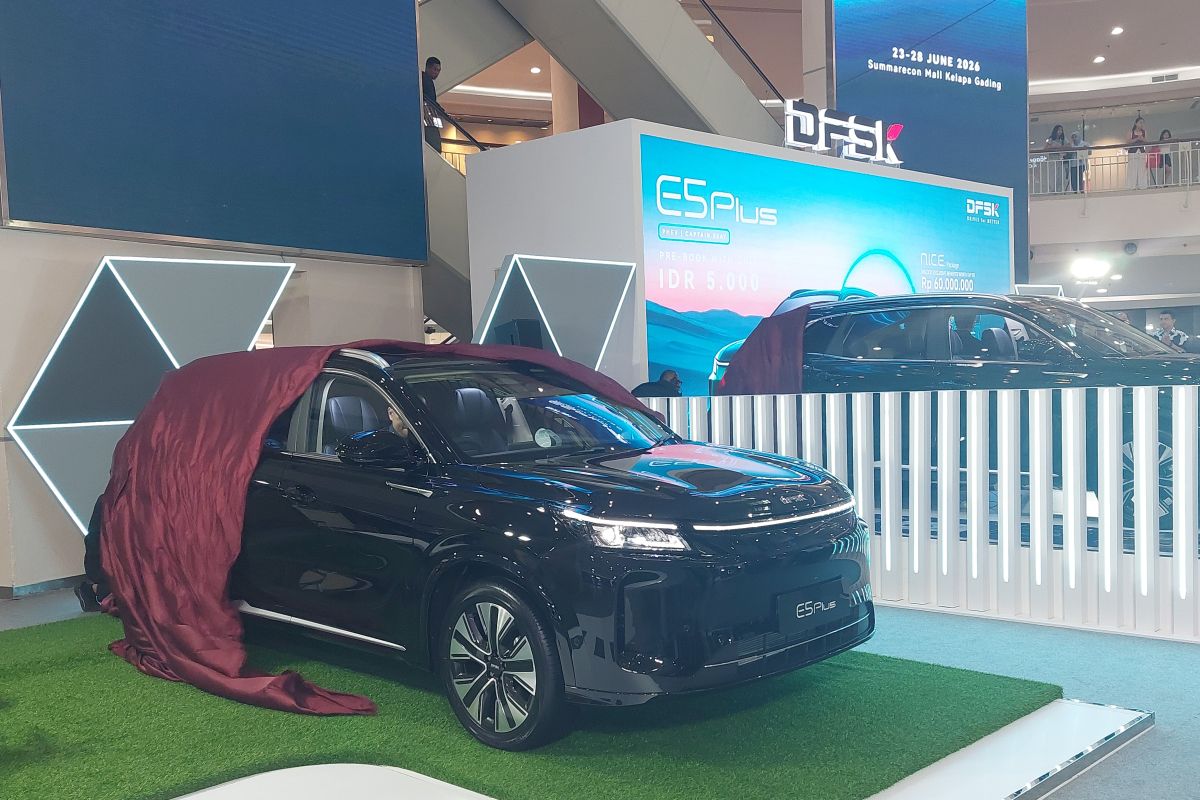
Jakarta (ANTARA) - PT Sokonindo Automobile, through the DFSK brand, has chosen to introduce Plug-in Hybrid Electric Vehicles (PHEV) as an initial step in its electric vehicle development in Indonesia, following ongoing challenges regarding the even distribution of pure electric vehicle charging infrastructure.
The Chief Executive Officer (CEO) of PT Sokonindo Automobile, Alexander Barus, stated that PHEVs are considered a viable solution for consumers who wish to enjoy the efficiency of electric vehicles without being entirely dependent on the availability of public electric vehicle charging stations (SPKLU).
“Why did we choose PHEV first? Because we are leaving it to the consumers to manage their own driving habits,” Alexander said in Jakarta on Tuesday.
Alexander noted that PHEVs can be used much like pure electric vehicles for daily needs. He cited the DFSK E5 Plus, which has a battery capacity of approximately 25 kWh, as an example, capable of travelling up to around 140 kilometres in electric mode without using the petrol engine.
However, when used for long-distance travel, drivers do not need to worry about the availability of charging facilities because the vehicle still possesses an internal combustion engine that can function as an additional power source.
Alexander assessed that the uneven condition of charging infrastructure remains one of the primary considerations for consumers transitioning to pure electric vehicles. In addition to the growing number of SPKLU, the factor of charging queues is also a concern for some users.
He illustrated a situation where an electric vehicle user arrives at a charging location with limited battery capacity but must wait their turn because the facility is being used by another vehicle. “We should be gathering with our families, but instead, we have to queue for charging. That is why PHEV offers greater flexibility,” he said.
On the other hand, DFSK emphasised that its decision to introduce PHEVs does not mean it is ignoring pure electric vehicles or other electrification technologies. The company remains open to introducing Battery Electric Vehicle (BEV) models and other electrification technologies in the future.
“It does not mean we will not launch BEVs. In the next stage, there will be other models that we introduce,” said Alexander.
The move to introduce PHEVs is also part of DFSK’s strategy to capitalise on opportunities in the Indonesian automotive market, which is seen as having long-term growth prospects. The company believes that electrified vehicles will increasingly find a place in the domestic market as public awareness of energy efficiency and environmentally friendly technology grows.