
Dewandaru: The 'Sacred' Tree of Gunung Kawi, Now Sought After by Saudi Arabia
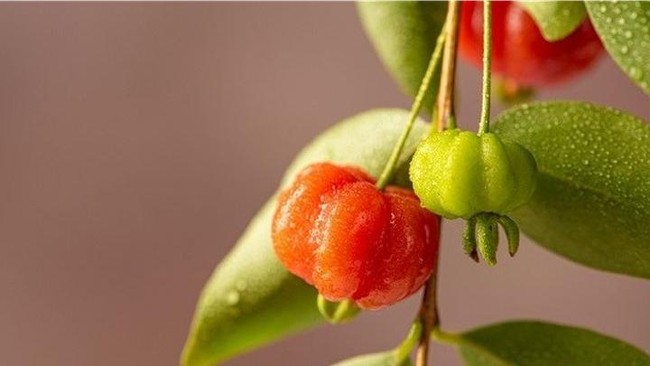
The dewandaru tree has long existed in two worlds. It is a part of folklore about luck, spiritual wealth, and even disaster omens, yet it is also a subject of scientific research for its antioxidant and antimicrobial compounds.
In Indonesia, the tree is most famously associated with the religious tourism site of Gunung Kawi in Malang, East Java. Local legend claims the tree grew from the staff of a follower of Prince Diponegoro, and many pilgrims believe that catching a naturally falling leaf, twig, or fruit brings great fortune. Another myth from Karimunjawa warns against cutting down the tree or taking its parts off the island, lest it cause a calamity at sea. Despite these mystical narratives, there is no scientific evidence linking the tree to natural disaster prediction.
Scientifically known as Eugenia uniflora, the plant is rich in flavonoids, tannins, and phenolics, with laboratory studies showing its extract can inhibit bacteria such as Escherichia coli and Staphylococcus aureus. While clinical proof is still limited, the economic data is more concrete. Under HS code 08109094, Indonesian exports of these fresh tropical fruits surged 69.45% year-on-year in 2025, reaching US$92,170. Malaysia was the top destination, followed by Germany and the Netherlands, with notable growth in demand from the United Kingdom, Kuwait, and Saudi Arabia.