
Developing Village Economic Potential Must Be Accompanied by Wider Market Access
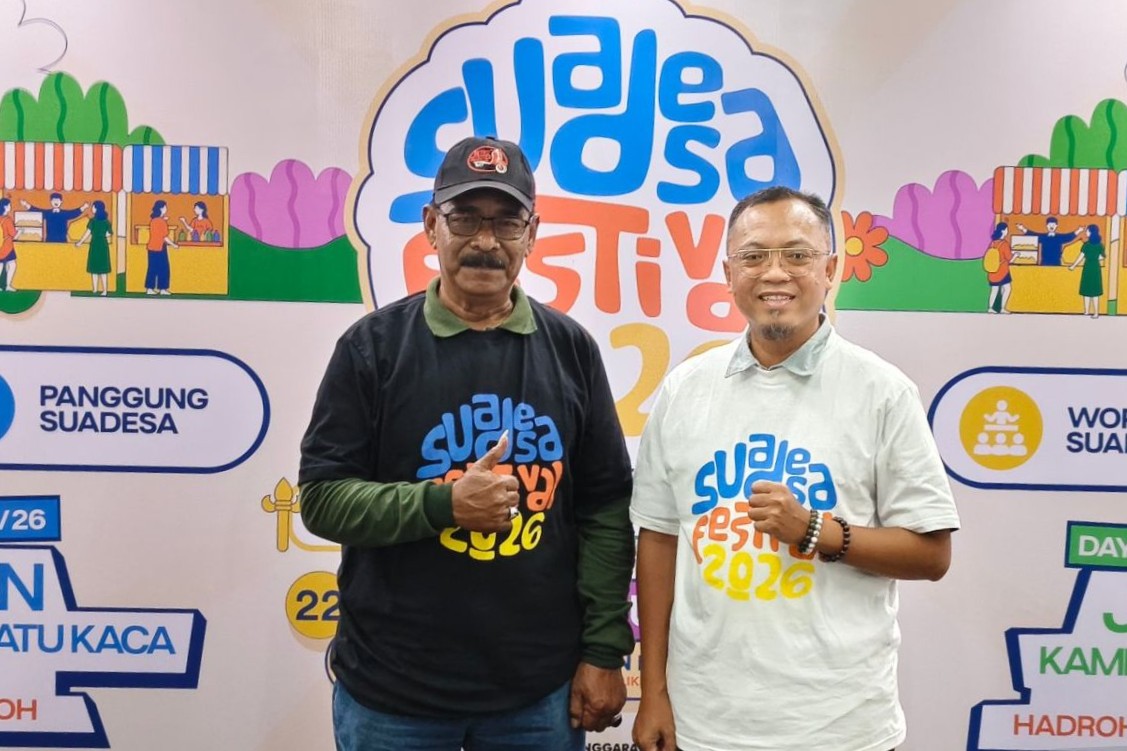
Developing the economic potential of village communities needs to be accompanied by opening wider market access so that local products and businesses can grow sustainably. This effort is one of the focuses in the implementation of the Suadesa Festival 2026 in Sleman Regency, Special Region of Yogyakarta, which received support from PT Perusahaan Gas Negara Tbk (PGN).
PGN’s CSR Division Head Krisdyan Widagdo said the economic potential owned by village communities will not develop optimally if it only relies on markets in the surrounding area. Therefore, business actors need to be connected with consumers, knowledge and business networks that can open new growth opportunities.
“Community potential needs to be connected with markets, knowledge and networks that can help it grow. Through the Suadesa Festival, PGN hopes that more village business actors will become known, gain new consumers and build sustainable cooperative relationships,” said Krisdyan in Sleman on Friday.
According to him, opening market access is an important part of community empowerment because it can encourage increased transactions while opening collaboration opportunities for UMKM actors. This approach is expected to strengthen the long-term economic independence of village communities.
PGN’s support for the activity was channelled through its Corporate Social Responsibility (CSR) programme. The Suadesa Festival 2026 took place on 22–23 August 2026 at Kedai Bahagia, Gandok Tambakan, Sinduharjo, Ngaglik, Sleman.
The festival involved 35 local UMKM actors and PGN-assisted businesses as well as 75 arts and local community performers. The activity not only served as a space for product promotion, but also brought together business actors with the community, communities and potential consumers.
The Suadesa Festival 2026 carried four main programmes: the Suadesa UMKM Market, the Suadesa Stage, the Suadesa Workshop and Suadesa Peduli. The Suadesa UMKM Market became one of the main spaces for business actors to introduce and market their products to visitors. Meanwhile, the Suadesa Stage presented various arts and cultural performances, ranging from the Kirab Bregodho, Hadroh and Badui to performances by the music groups The Rain and Jikustik. The Suadesa Workshop presented educational activities related to developing community potential. Suadesa Peduli was the part of the activity that raised awareness of environmental sustainability.
Suadesa Festival initiator Bakkar Wibowo said the festival is an effort to create a new economic space tailored to the region’s potential. Previously, a similar activity was held in Karangrejo, Borobudur, in 2025. According to Bakkar, the festival is not solely directed at generating transactions during the event. The interactions formed between UMKM actors, the community, communities and partners are expected to develop into business networks after the festival ends.
“The Suadesa Festival is merely a spark in creating a new space to connect residents’ economic potential with the public or partners, with the hope of opening new doors for sustainable village economic independence,” said Bakkar.
Krisdyan said the sustainability of community empowerment programmes is also determined by the ability of business actors to utilise the access that has been opened. Therefore, PGN hopes the festival can become a starting point for the formation of new business relationships that continue to grow after the activity ends.
“Community potential needs to be connected with markets, knowledge and networks that can help it grow,” he explained.
Through collaboration between corporations, the hamlet government, UMKM actors, and arts and cultural communities, the Suadesa Festival is expected to expand market access while strengthening the local economic ecosystem so that the business potential of village communities can develop independently and sustainably.