
Developers Delay New Projects Amid BI Rate Rise and Middle East Turmoil
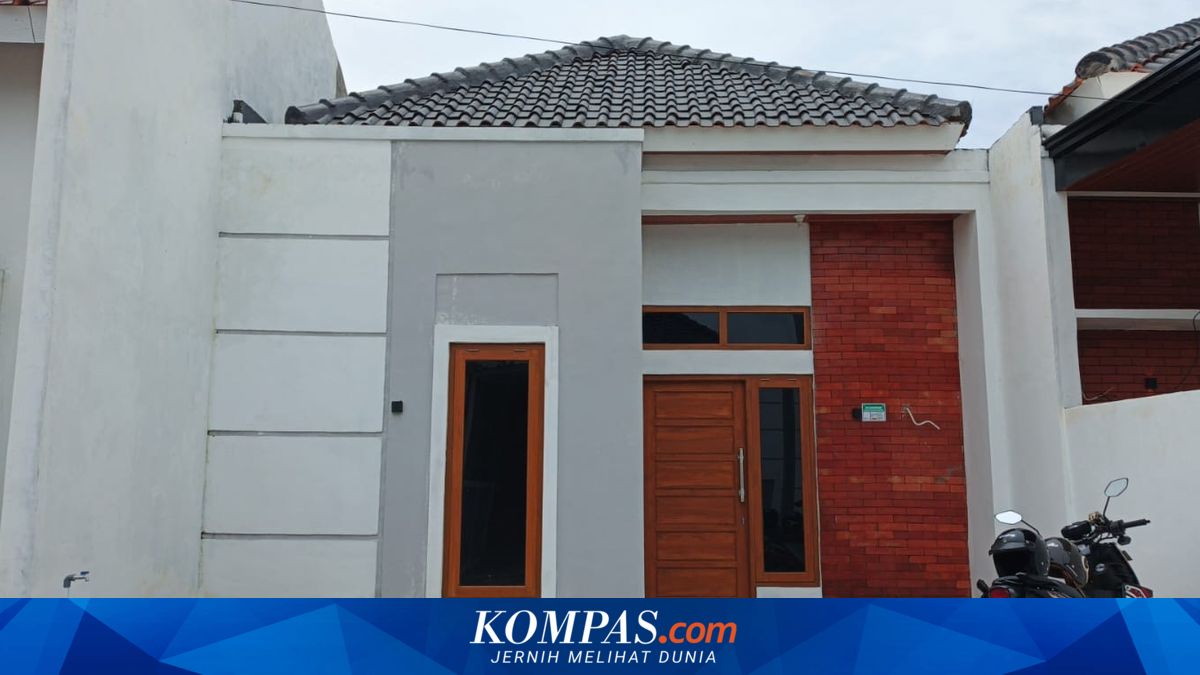
Bank Indonesia’s increase in its key interest rate to 5.25 per cent on Wednesday, 20 May 2026, alongside the ongoing Middle East conflict, is beginning to exert pressure on Indonesia’s national property sector.
The BI Rate increase from 4.75 per cent to 5.25 per cent is considered a necessary step to maintain stability of the rupiah’s exchange rate and control inflation expectations. However, the higher interest rate policy also has the potential to constrain household consumption, investment, credit disbursement, and the stock market, particularly in the second and third quarters of 2026.
The persistent situation in the Middle East, combined with the BI Rate increase, threatens not only to raise construction costs but also to influence developers’ decisions on expanding new projects.
Bambang Ekajaya, deputy chairman of Real Estate Indonesia (REI), stated that the unresolved conflict in the Middle East could trigger sharp increases in material prices and construction costs.
“Especially if the Middle East conflict remains unresolved, construction costs will rise sharply. When combined with rising mortgage rates, potential buyers will certainly hold back,” Bambang said, quoted on Sunday, 24 May 2026.
According to Bambang, this situation creates a dual squeeze on the property sector. On one hand, construction costs are rising, so property prices have the potential to increase. On the other hand, the public’s purchasing power has not fully recovered.
“At the same time, as a developer, raising property prices is not the right choice, given weakening purchasing power,” he said.
In addition to construction cost pressures, the BI Rate increase is expected to drive up commercial credit interest rates, including non-subsidised mortgage rates.
This situation is seen as adding a burden to the public, whether for prospective homebuyers or consumers still paying mortgage instalments.
“Indeed, the current situation is difficult all around. The BI Rate increase will certainly drive up commercial interest rates, including for non-subsidised mortgages. The effect will certainly be burdensome for both prospective buyers and consumers currently paying instalments,” Bambang said.
Nevertheless, the impact of the BI Rate increase on the property market will not be felt immediately in the short term. Bambang estimates its influence will only start to be felt in two to three months.
“Of course, the effects will only be felt in two to three months. Meanwhile, the property market is still difficult,” he said.