
Developer Shifts Strategy to Asset Optimisation
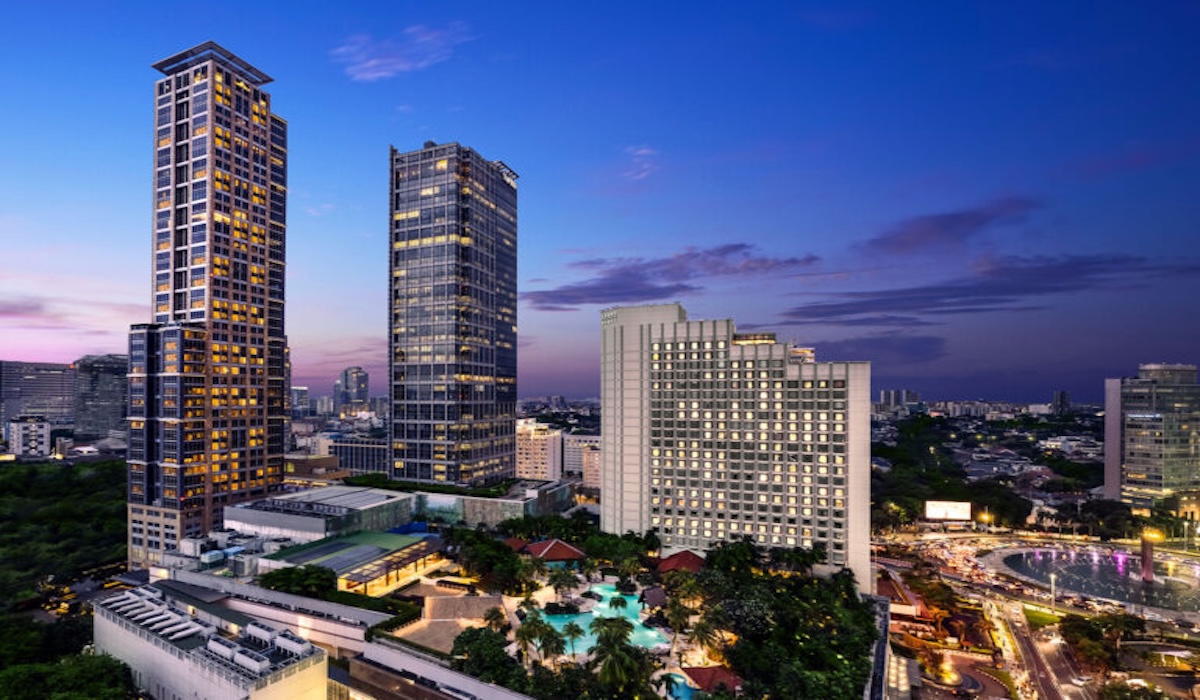
PT Paradise Property Tbk (INPP) is beginning to alter its business growth trajectory. After recording the highest revenue in the company’s history at Rp1.1 trillion for the 2023 financial year, the lifestyle property issuer is now choosing to focus on optimising its existing assets rather than aggressively building new projects. This strategic shift serves as an important signal within a property industry still grappling with construction costs, purchasing power, and the need for capital efficiency. INPP believes that strengthening existing assets can yield faster returns with more measured risk.
President Commissioner of Paradise Indonesia, Anthony Prabowo Susilo, stated the company is entering a new phase after previously building numerous strategic assets in several major cities. “There is a time for building assets, but now is the time to optimise them. We are allocating capital expenditure of Rp200 billion to Rp300 billion specifically for the renovation and quality enhancement of our existing assets,” Anthony said during the annual Public Presentation in South Jakarta on Thursday (18/6). According to Anthony, the capital expenditure funds will be directed towards renovations of a hotel in Batam and the addition of rooms at Harris FX Sudirman, among other projects. This strategy is considered more efficient as it has a payback period of under five years, faster than developing a new project from scratch.
Vice President Director of Paradise Indonesia, Surina, explained that the company’s revenue in 2023 rose 33% year-on-year to Rp1.1 trillion. This performance was primarily driven by the handover process of units at the Antasari Place project and a strong contribution from recurring revenue businesses. “Currently, 90% of our revenue is recurring, originating from the hospitality sector and commercial businesses. In the first quarter of 2024 alone, we have already recorded a 14% revenue increase compared to the same period last year,” Surina said. The dominant portion of recurring revenue indicates that INPP is no longer solely dependent on property project sales but is increasingly reliant on assets that generate regular income, such as hotels, commercial centres, and hospitality businesses. This business model is crucial as it can provide more stable cash flow, especially when the property market faces fluctuating demand cycles.
Beyond asset optimisation, INPP is also embedding sustainability principles into its project development. One project in the spotlight is 23Semarang, a commercial centre claimed to feature the first circular architectural design in Central Java. Anthony stated the design was created to enhance the visitor experience, making it easier to navigate within the mall. INPP aims for this commercial centre to be not just a shopping place but a destination capable of attracting repeat visits. “We want to create a mall that makes people want to return five to ten times a year. The 23Semarang design ensures visitors do not feel lost in the corridors, yet still experience a spacious and efficient environment,” Anthony said. From an ESG perspective, 23Semarang will also be equipped with green areas inside the mall and solar panels with a 1.8 megawatt capacity. This step is part of the company’s efforts to reduce environmental impact while increasing energy efficiency in managing commercial assets.
Improved financial performance has also opened the opportunity for INPP to distribute an interim dividend in 2024. Management mentioned the option is being considered as a form of appreciation to shareholders. The dividend signal emerges alongside the company’s relatively healthy financial position. INPP recorded a debt-to-equity ratio of 0.3 times. As of the first quarter of 2024, the company’s total equity reached nearly Rp6.8 trillion. Currently, Paradise Indonesia operates 27 business units spread across eight major cities in Indonesia. With a combination of recurring income, asset optimisation, and strengthening ESG aspects, the company seeks to maintain growth without being overly dependent on new project expansion. This strategy marks a significant shift for INPP, from a phase of building an asset portfolio to a phase of maximising the value and productivity of its existing assets.