
Destroyed in Jakarta, Sailfin Catfish a Daily Food in Brazil
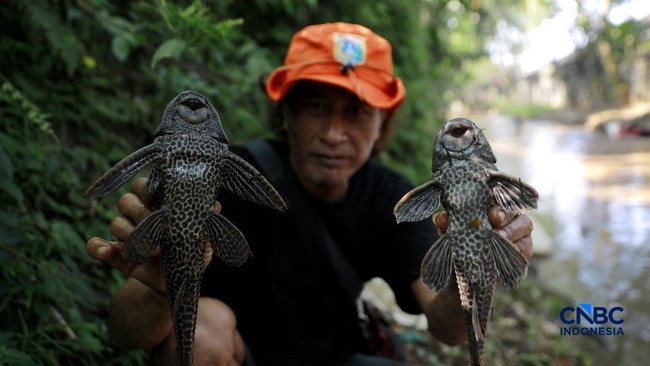
The sailfin catfish currently making headlines is not native to Indonesia. Instead, it originates from the Amazon River in South America and is commonly consumed by communities along its banks. Local residents frequently eat fish as part of their daily diet. According to Phys.org, the daily consumption amounts to 462 grams of fish per person per day, or nearly 20 times the national average in Brazil. In the Amazon, the sailfin catfish, or Acari, forms part of the food chain and is consumed by humans, alongside other species such as Aracu, Piranha, Pirarucu, Caparari, and Tucunare. However, research indicates that fish consumption in the Amazon River is hazardous due to heavy metal contamination. A study published in ACS Omega measured concentrations of four toxic elements—arsenic, cadmium, mercury, and lead—in six of these species. All the fish were found to contain these hazardous elements. Acari, along with Pirarucu, showed the highest arsenic levels, which pose a cancer risk. The figures indicate that 25% of samples exceeded internationally accepted risk thresholds. Contamination in the Amazon River stems from various sources. For instance, illegal gold mining and the use of heavy machinery release mercury into the Tapajos River basin. Similarly, bauxite mining in Porto Trombetas and Juruti produces red mud, an alkaline waste rich in arsenic, cadmium, and lead. Natural mercury is also released through deforestation driven by a 23-year increase in soy farming. This mercury from Amazonian soil flows into rivers and ultimately accumulates in the fish. What about in Indonesia? As in the Amazon, risks are higher when fish come from polluted waters. This is particularly true for sailfin catfish, which inhabit low-oxygen, contaminated waters in Indonesia. Citing Detik.com, the Head of the Jakarta Food Security, Maritime, and Agriculture Agency (KPKP), Hasudungan A Sidabalok, revealed that heavy metal levels in sailfin catfish exceed safe limits. He also stated that no official study has confirmed the fish is safe for human consumption or as animal feed. “It cannot be utilised yet, pending an official study confirming that the fish is safe for consumption or as animal feed. Because the heavy metal residues exceed the threshold,” Hasudungan said.
Source: jawawa.id (https://jawawa.id/newsitem/destroyed-in-jakarta-sailfin-catfish-a-daily-food-in-brazil-1776855143)
Originally published by CNBC Indonesia (https://www.cnbcindonesia.com/tech/20260422101330-37-728780/dimusnahkan-di-jakarta-ikan-sapu-sapu-makanan-sehari-hari-di-brasil), translated from Indonesian