
Despite Pros and Cons, DPR Vows Asset Forfeiture Bill Will Be Passed on 15 December
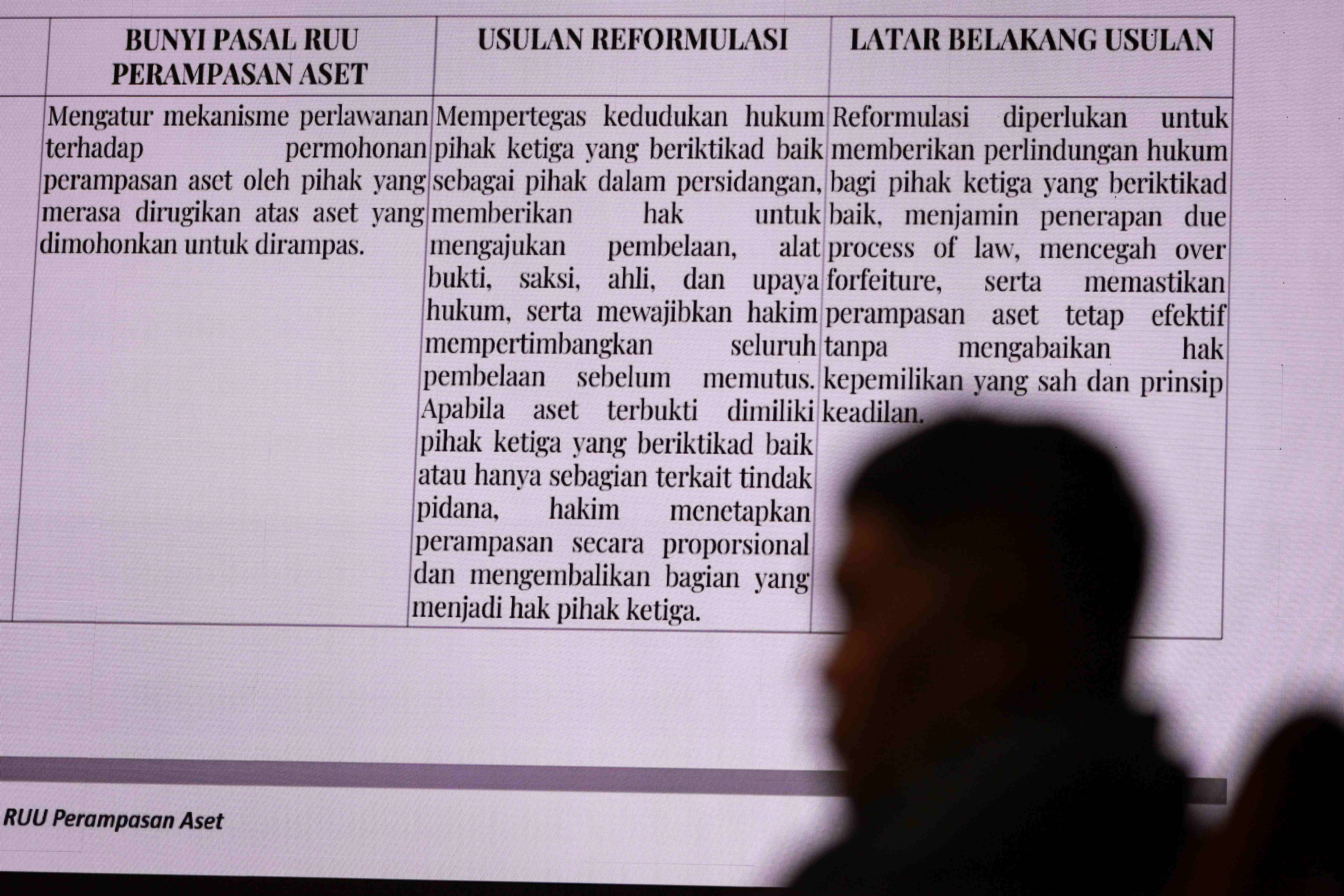
The DPR RI has confirmed that deliberation of the Asset Forfeiture Bill will be completed and passed into law on 15 December 2026. Although it continues to spark pros and cons within society, the DPR has affirmed its commitment to meeting the passage target agreed by its leadership.
Deputy Chairman of Commission III of the DPR RI, Ahmad Sahroni, emphasised that deliberation of the regulation will be completed on schedule despite lingering controversy.
Sahroni said the passage of the Asset Forfeiture Bill forms part of the DPR’s commitment to strengthening corruption eradication. However, he cautioned that the regulation must not be used by law enforcement officials as an instrument to act arbitrarily.
“But as promised by the DPR leadership, 15 December is certain to be passed. We don’t want, once this asset forfeiture bill is passed, for there to be further demands for other things,” Sahroni said during a public hearing on the Asset Forfeiture Bill at the Parliamentary Complex in Jakarta on Monday (7/9).
He acknowledged that there remain parties who dislike the deliberation process for the bill. Sahroni asked that its passage not be followed by fresh demands directed at the DPR.
According to him, drafting the Asset Forfeiture Bill is no easy task. For that reason, he asked all parties to understand the legislative process currently being undertaken by the DPR.
“Asset forfeiture has one guiding principle: that rooting out corruptors is paramount for all of us. That is the essence,” he said.
Meanwhile, Chairman of Commission III of the DPR RI, Habiburokhman, said his side had faced pressure to pass the Asset Forfeiture Bill promptly. However, deliberation over the scope of criminal offences subject to asset forfeiture continues to generate debate.
Habiburokhman noted that 13 types of criminal offence fall within the scope of the bill. According to him, some of these offences share similar characteristics with corruption, as they have the potential to harm the state and society.
“When we make a law, we must think carefully to ensure it does not later become an instrument of abuse of power,” said Habiburokhman.
He stressed that caution is necessary so that the authority for asset forfeiture retains clear limits and does not open room for the misuse of power.
In the drafting process for the Asset Forfeiture Bill, Commission III of the DPR RI has held 35 public hearings (RDPU) and undertaken three working visits to a number of regions.