
Desert Suddenly Flooded, China on the Brink of Major Disaster
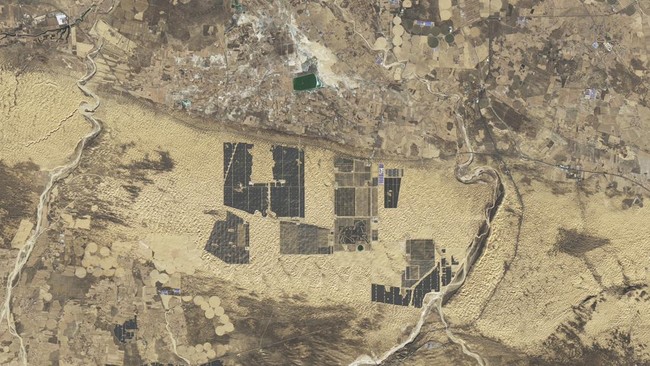
Extreme weather phenomena are beginning to show their impact in northwest China. The government on Friday (12/6/2026) issued a warning to residents in Xinjiang and surrounding areas to prepare for potential ‘extreme flooding’ this summer, driven by soaring temperatures well above normal, high rainfall, and accelerated glacial melt.
This warning came after the Taklamakan Desert, China’s largest desert, experienced flooding much earlier than usual this year. State media China Central Television (CCTV) reported that the flooding began in early June. Footage showed water inundating the typically dry and barren sand dunes of the Taklamakan Desert, presenting a stark contrast to its usual arid character.
Although similar seasonal flooding has occurred in the Taklamakan Desert since 2021, the timing in 2026 is considered abnormal. Previous events typically took place in August, when summer temperatures peak. This year, however, extreme weather conditions arrived much sooner.
According to Reuters Climate Monitor data, temperatures in Xinjiang on 12 June were 7.3 degrees Celsius above the normal average for that period, with air temperatures reaching as high as 38 degrees Celsius. The significant temperature rise was accompanied by increased rainfall intensity across parts of southern and western Xinjiang.
CCTV reported that rainfall in some areas was two to three times higher than historical averages for early June. The combination of extreme heat and frequent heavy rain has been the primary trigger for the desert flooding. The phenomenon is also closely linked to the accelerated melting of glaciers and snowpack in the surrounding mountain ranges. The soaring temperatures caused massive melting in the Tianshan and Kunlun mountain ranges, which hold vital ice and snow reserves for the region.
The resulting meltwater surged into the Tarim River, China’s longest inland river and a crucial water source for the largely arid Xinjiang region. The drastically increased water volume caused the Tarim River to overflow its banks, sending water spilling into the low-lying areas of the Taklamakan Desert and transforming the typically sand-dominated landscape into a region dotted with floodwater.
Source: jawawa.id (https://jawawa.id/newsitem/desert-suddenly-flooded-china-on-the-brink-of-major-disaster-1781272327)
Originally published by CNBC Indonesia (https://www.cnbcindonesia.com/news/20260612180022-4-742462/gurun-mendadak-kebanjiran-china-di-ambang-malapetaka-besar), translated from Indonesian