
Deputy Working Group Chair Says Fraudulent Investments and Hajj Schemes to Be Covered by Asset Forfeiture Bill
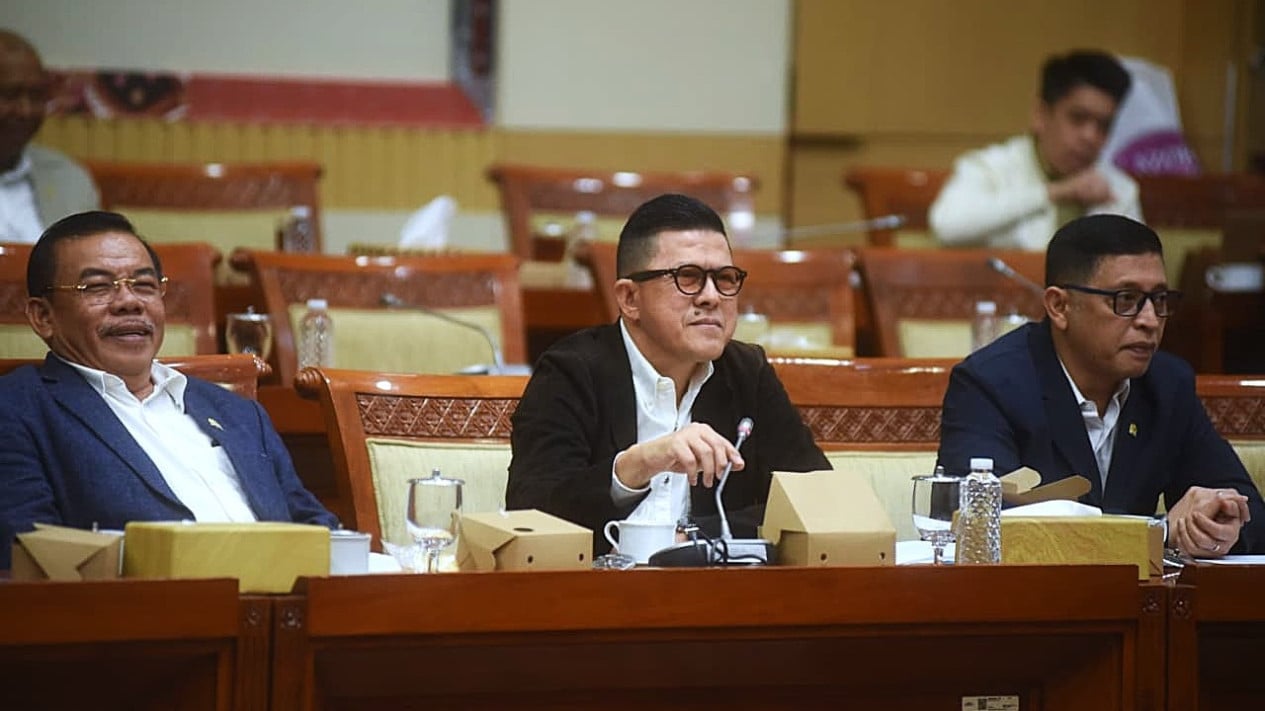
Jakarta (VIVA) — Soedeson Tandra, deputy chair of the working group on the Asset Forfeiture Bill, said that crimes involving fraudulent investments, illegal insurance, sham savings schemes, troubled cooperatives and fraudulent Hajj and Umrah travel agencies would be covered by the bill.
He said assets belonging to perpetrators could be seized to help compensate victims for their losses.
The bill is still being discussed during the parliamentary recess. The working group has also received input from members of the public, professional organisations and experts to develop the regulation’s philosophical foundations and structure.
“We hope to discuss it with the government soon, so that it can then be passed into law,” Soedeson said in a statement on Friday (30 October 2026).
He said the provisions on asset forfeiture needed to be strengthened so that offenders would not only serve criminal sentences, but would also lose the proceeds of crime that they have often continued to enjoy even after being found guilty.
“We will include crimes involving fraudulent investments, insurance, sham savings schemes and fraudulent cooperatives, as well as religious pilgrimage travel agencies, for example fraudulent Umrah and Hajj operators,” he said.
Soedeson cited cases involving savings and loan cooperatives that caused losses to the public, as well as the Binomo binary options scheme involving Indra Kenz and the Quotex scheme involving Doni Salmanan. He also mentioned a series of fraudulent robot-trading investments, including DNA Pro, Fahrenheit and Net89, and alleged Umrah travel scams such as First Travel and Hanania Travel.
Soedeson also highlighted fraud involving Umrah and Hajj trips that has left pilgrims stranded, including after they have arrived in the Holy Land.
He said the issue needed to be addressed through the Asset Forfeiture Bill because, although perpetrators could be sentenced, victims’ losses were difficult to recover when their assets could not be seized.
“Many people behind fraudulent investments have indeed been sentenced. But their assets cannot be seized, can they? So they get to keep enjoying the proceeds of the fraud,” he said.
Soedeson said the technical details of the forfeiture mechanism were still under discussion.
However, he said asset forfeiture would not always have to wait for a criminal conviction and could take place concurrently, in accordance with the applicable law.