
Deputy Tourism Minister: Increase in Public Using Eid Holiday for Tourism
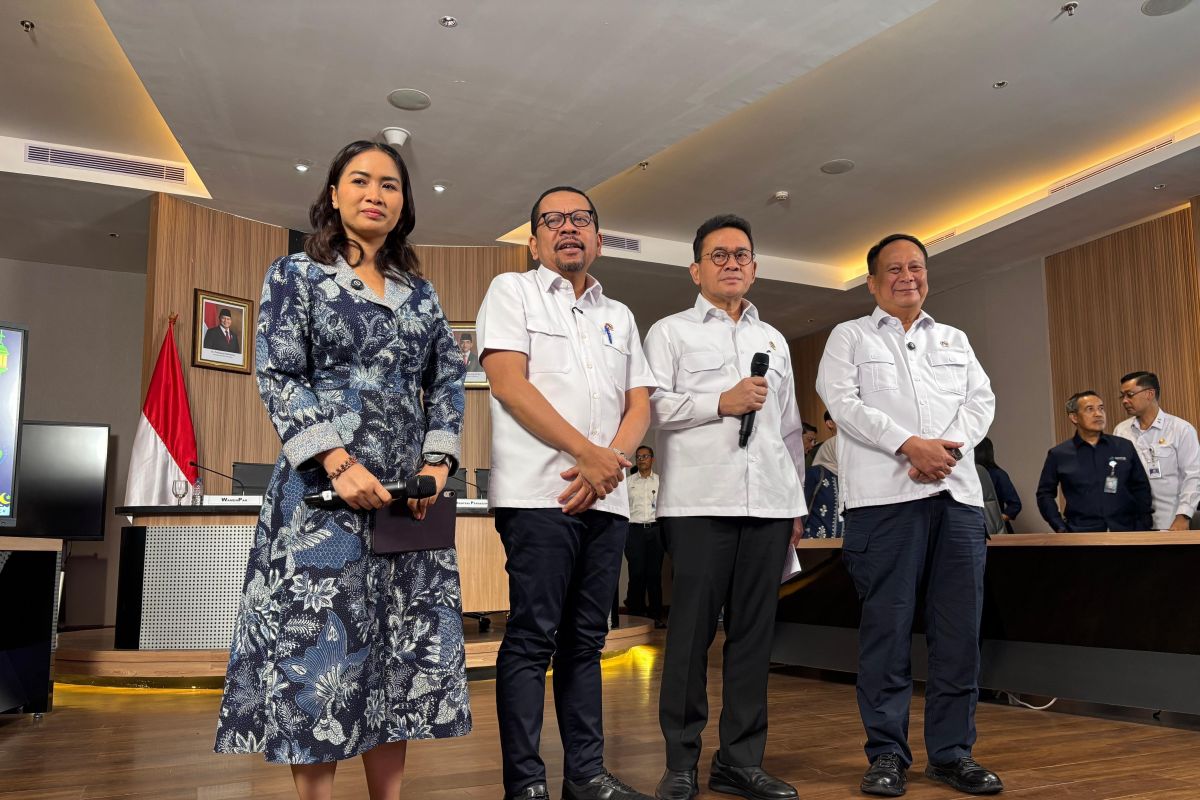
Jakarta (ANTARA) - Deputy Minister of Tourism Ni Luh Enik Ermawati stated that there has been an increase in the number of people utilising this year’s Eid holiday for tourism compared to last year.
At a press conference held by the Presidential Staff Office in Jakarta on Wednesday, Deputy Minister Ni Luh Enik Ermawati explained that the estimated economic circulation during this year’s Eid holiday period reached Rp165.7 trillion, marking an increase from Rp137 trillion last year, based on data from the Ministry of Transportation.
“This is reflected in the rising proportion of the public taking advantage of the Eid momentum for tourism. Last year in 2025, around 6.3% of the population travelled to tourist destinations, while this year in 2026 it has risen to 12%, equivalent to 17.27 million people,” she clarified.
This situation occurred despite a decrease in spending during the Eid holiday, both on average per family and per individual. The average expenditure per family in 2026 was Rp3.7 million, down from Rp4.9 million last year, and the average per person was Rp1.1 million this year compared to Rp1.2 million in 2025.
“This is something we will continue to maintain, ensuring that these major moments can be utilised by the public for tourism, so that the multiplier effect occurs in tourist destinations,” she said.
With the increase in the number of tourists, Ni Luh explained, total spending in the tourism sector has seen a significant rise. From around Rp11.04 trillion in 2025 to Rp19.86 trillion in 2026.
“This indicates a shift from household-based consumption to experience-based consumption, particularly in the tourism sector,” she explained.
She specifically highlighted the increase in visits to 10 priority tourist destinations and three regenerative destinations.
In line with the shift in public consumption towards tourism activities, her side observed that the economic impact of Eid is not only occurring nationally but is also strongly distributed to tourist destinations in the regions.
“From these activities, the total public expenditure on priority and regenerative tourist destinations located in the regions reached more than Rp12.27 trillion. This figure reflects a significant contribution, namely around 61.8% of the total estimated national expenditure in the tourism sector,” said Ni Luh.
The largest contributions came from flagship destinations such as Borobudur, Yogyakarta, Prambanan, Bromo Tengger Semeru, Lake Toba, and several other tourist destinations.