
Deputy Speaker of MPR Urges Collective Awareness to Anticipate Hantavirus Threat
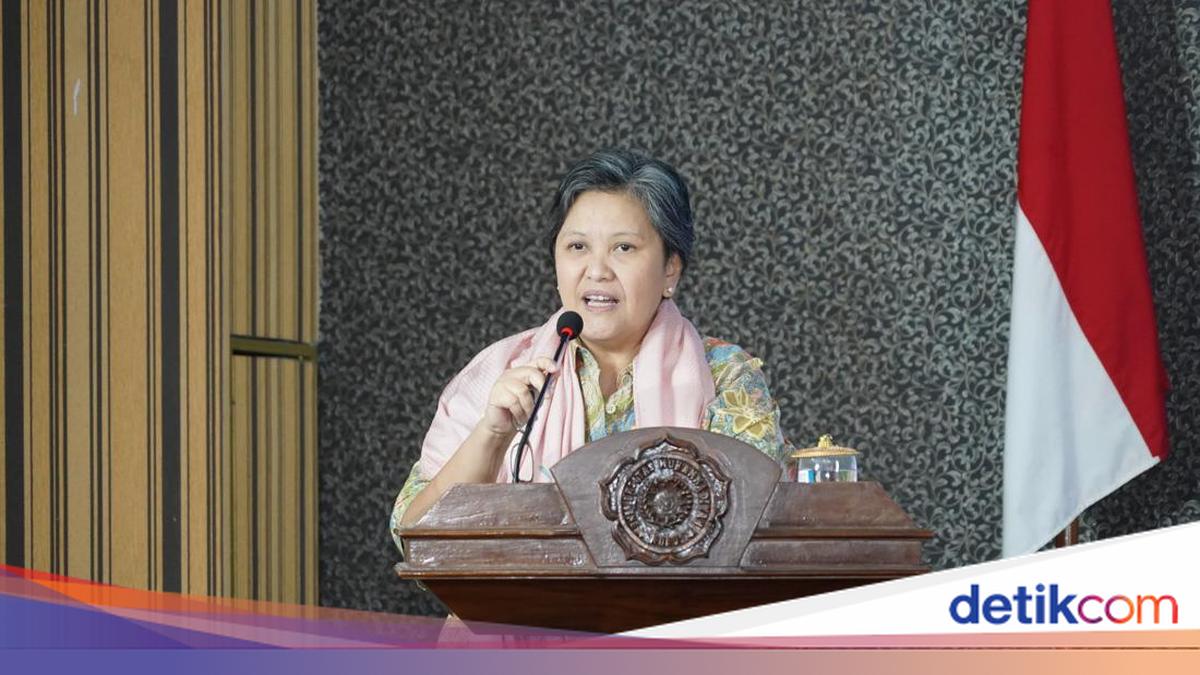
The state, through the Indonesian Ministry of Health, has taken concrete steps to guard against the Hantavirus threat. Nevertheless, public concerns regarding the virus in the country must be addressed collectively,” she stated in a written release on Thursday (14/5/2026).
This was conveyed by Rerie during an online discussion themed ‘Understanding the Spread of Hantavirus and How to Mitigate It’, organised by the Denpasar 12 Discussion Forum.
The discussion, moderated by the expert team of Deputy Chair of the MPR RI Tantri Moerdopo, featured speakers including Dr. Sumarjaya, SKM, M.M., MFP, CFA, Director of Health Surveillance and Quarantine at the Ministry of Health RI; Prof. Dr. dr. Erlina Burhan, MSC, Sp.P (K), General Chair of the Indonesian Medical Association and Professor of Medicine at the University of Indonesia; and Prof. Dr. Tjandra Yoga Aditama, Director of Postgraduate Studies at YARSI University and former Director of the World Health Organization South East Asia Regional Office (WHO SEARO) for 2018-2020. Additionally, Member of Commission IX of the DPR RI, Nurhadi, S.Pd., M.H., participated as a respondent.
Based on information from various sources, 23 confirmed Hantavirus cases were recorded between 2024 and 2026, with three deaths. Rerie noted that the WHO has also designated Hantavirus as a virus requiring vigilance.
Therefore, she believes that education and socialisation regarding the Hantavirus threat must be continuously enhanced. According to her, preventing the spread of Hantavirus requires public understanding of mitigation steps and actions to take if exposed to the virus.
Meanwhile, Sumarjaya stated that the government has implemented various vigilance measures to ensure timely handling of the Hantavirus threat, including cooperation with immigration authorities through screening at entry points using thermal scanners and mandatory declarations via All Indonesia.
He added that prevention measures also include the application of health protocols and clean and healthy living patterns in the community.
Erlina Burhan explained that Hantavirus is generally carried by rodents and can cause severe lung disease (HPS) or kidney disease (HFRS).
She also mentioned that Hantavirus-related illnesses are often handled late because initial symptoms resemble those of common viruses.
According to her, the incubation period of Hantavirus does not produce specific symptoms. Symptoms that appear are generally fever, nausea, flu-like, up to shortness of breath.
Erlina reminded the public to be wary of warehouse areas, post-flood zones, and locations with high rodent populations, as they pose potential sources of Hantavirus exposure.
On the other hand, Tjandra Yoga Aditama stated that based on WHO records, the global transmission rate of Hantavirus remains relatively low. Nevertheless, he highlighted a case of a Singaporean citizen suspected of being exposed to Hantavirus on a cruise ship.
He assessed that public vigilance regarding this virus is indeed necessary, but it should not be excessive to avoid causing panic.
Nurhadi also appreciated the anticipatory steps taken by the Ministry of Health. According to him, the Hantavirus threat must be viewed not only from a health perspective but also from national preparedness.
“We can no longer wait for a health case to become large before taking action. The state must be present in these efforts,” he said.
He added that the health system, surveillance, education, and socialisation related to disease threats must continue to be refined.
In agreement, senior journalist Saur Hutabarat stated that each country has different policies regarding the duration of isolation in facing virus outbreaks.
Quoting the WHO, Saur mentioned that monitoring and quarantine for 42 days are carried out to anticipate virus spread. However, several countries apply different policies, such as Canada for 21 days, Greece for 45 days, and the UK for 72 hours of isolation in clinics with special observation.
He also reminded that the most important thing now is to prevent the presence of rats as potential virus carriers.
“Make rats in homes, gutters, and fields a common enemy. Fight rats properly,” Saur concluded.
Source: jawawa.id (https://jawawa.id/newsitem/deputy-speaker-of-mpr-urges-collective-awareness-to-anticipate-hantavirus-threat-1778788053)
Originally published by detikcom (https://news.detik.com/berita/d-8488771/waka-mpr-dorong-kesadaran-kolektif-antisipasi-ancaman-hantavirus), translated from Indonesian