
Deputy Speaker of MPR: Proper Mentorship Patterns Needed to Shape National Character
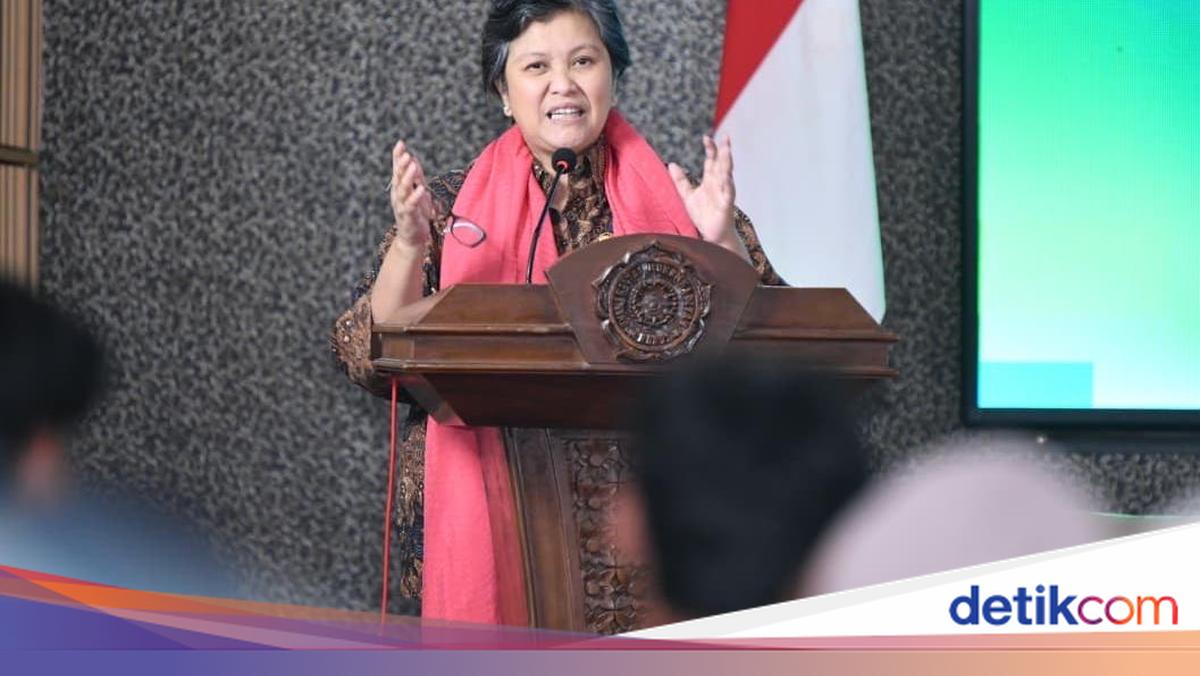
The aim is to instil national values in the future generations of the nation. “The current condition faces a crisis of mentorship and role modelling for children, which has the potential to erode their understanding of national values,” stated Rerie in a written statement on Thursday.
She expressed these concerns during a written keynote at an online discussion themed ‘Parents as Guardians of Pancasula Values: Challenges of Character Education in the Digital and AI Era’, organised by the Denpasar 12 Discussion Forum on Wednesday. Rerie noted that this crisis of mentorship must be urgently anticipated through the involvement of all parties, starting with the family environment.
Rerie mentioned that in the current development of civilisation, many new elements arising from technological innovations are being found. “Unfortunately, these innovations, along with the accompanying flow of information, are slowly eroding the moral foundation of the nation’s children,” Rerie said.
Citing a report from the Indonesian Ministry of Communication and Digital (Komdigi), Rerie revealed that throughout last year, 1,923 pieces of hoax content were identified in Indonesia’s digital space. At the same time, Rerie noted a phenomenon where parents experience parenting fatigue and unconsciously delegate the role of character education to social media recommendation algorithms.
As a result, Rerie explained, a child’s character is no longer shaped by parental guidance intended to introduce the noble national values contained in Pancasila, such as ‘gotong royong’ (mutual cooperation) and politeness. Rerie urged stakeholders, society, and parents to work together to build a proper ecosystem of parenting, mentorship, and education as part of the effort to instil noble national values in the next generation.
Rose Mini Agoes Salim, a Professor at the Faculty of Psychology, University of Indonesia (UI), argued that in facing these conditions, the role of the family must be enhanced in responding to the impacts of technological developments in the digital world. “The presence of PP Tunas is essentially intended to help parents ensure that children are protected from the flood of information in the digital world until the age of 16,” Rose explained. At the appropriate age, it is hoped that children will be wise in responding to various information in the digital world.
According to Rose, Pancasila values, such as divinity and morality, must also be applied in digital practices, particularly when using social media. She added that respecting the opinions of others in daily communication should also be based on an understanding of the values of unity and humanity. “Parents must be able to act as mentors and role models for their children when interacting in the digital world,” said Rose.
Henny Supolo, Chairperson of the Cahaya Guru Foundation, opined that a child’s ability to think critically is vital in building character and instilling national values like Pancasila. These values must be linked to daily activities. “We must be able to invite our children to learn to assess situations based on the values they understand,” said Henny. She added that teachers and parents must be able to relate noble values to current daily conditions and that parents must possess the ability to listen well during the process of instilling these values.
Education activist Indra Charismiadji argued that children today are merely objects to have their abilities measured, without addressing their deficiencies. Indra explained that this condition is instead addressed by frequently changing curricula, the results of which show that the average ability of Indonesian children in language, mathematics, and science has not increased significantly. According to Indra, this occurs because the national education system has only been defined as schooling. However, the Father of National Education, Ki Hadjar Dewantara, argued that education should centre on the family, youth movements, and educational institutions. “It is very unfortunate that the national education system focuses solely on the role of schools while sidelining the role of the family and youth movements,” said Indra.
Character Education expert Doni Koesoema argued that parents are the first and primary educators for their children. Regarding the threats in the digital space to children, Doni explained that this cannot be addressed through individual movements but must be addressed through a cultural movement. The presence of PP Tunas and anti-violence policies in educational environments, Doni clarified, is not enough to protect children if not implemented correctly. “The hope is that a cultural movement can drive efforts to realise a child-friendly digital ecosystem to protect the nation’s future generations,” said Doni.
Senior journalist Usman Kansong opined that there is a massive task ahead in reforming the education sector, involving both structural and cultural improvements. Usman assessed that while cultural improvements can be pursued, such a movement has not yet emerged significantly. “In the current formal education process, we are faced with the choice of prioritising either the academic side or the character of the students,” said Usman. Usman suggested that formal schools should focus on the academic side, while character education should be handled by communities and parents, echoing Ki Hadintar Dewantara’s view of centring education on family, youth movements, and institutions. Furthermore, Usman emphasised that the role of PP Tunas is essentially to regulate digital platforms to ensure they care about child safety in the digital space.