
Deputy Speaker of MPR Emphasises Need for Comprehensive Vocational Education Reform
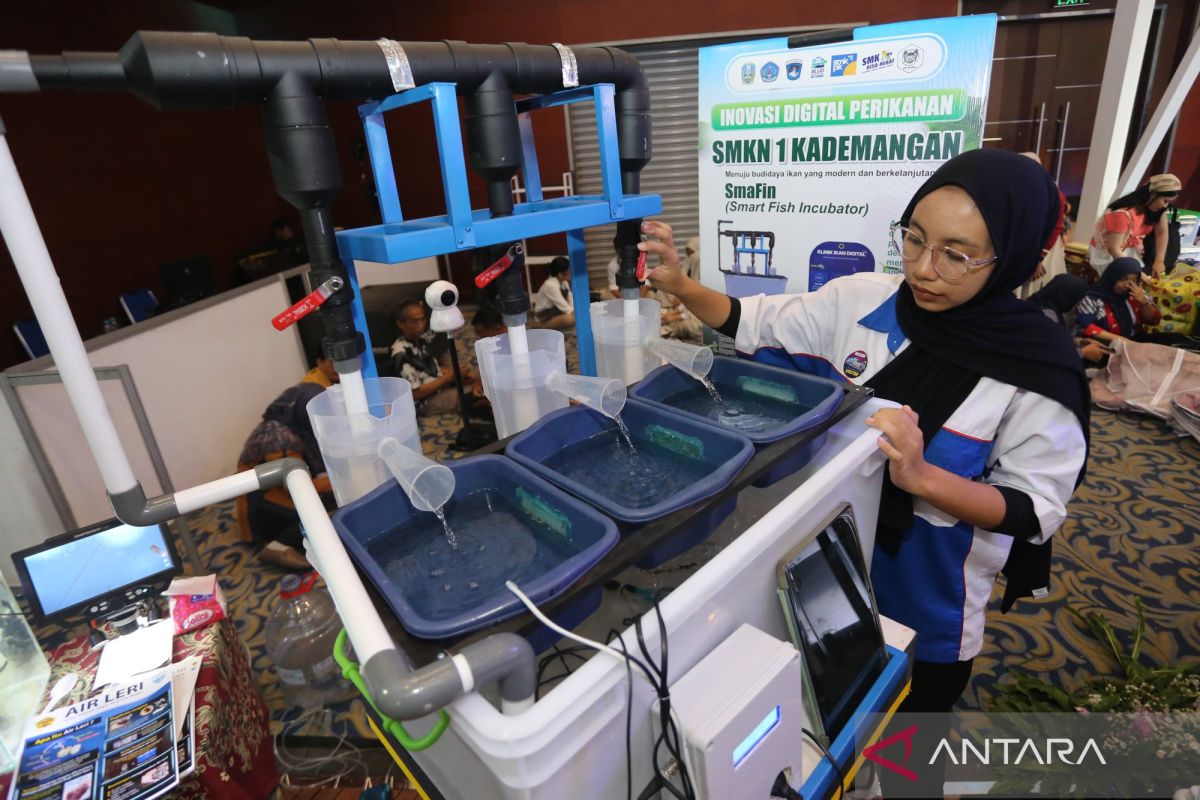
Jakarta (ANTARA) - The Deputy Speaker of the MPR RI, Lestari Moerdijat, believes that improving Indonesia’s vocational education ecosystem must be carried out consistently and comprehensively to ensure graduates’ competencies are enhanced for the labour market.
“The step of providing competency certification is a strategic move. However, it must be accompanied by a thorough improvement of the vocational education ecosystem,” she stated in Jakarta on Tuesday.
She noted that this year, the Directorate of Vocational High Schools (SMK) under the Ministry of Primary and Secondary Education (Kemendikdasme) is providing certification programme assistance quotas for a total of 250,000 SMK students across Indonesia. This assistance is divided into two main focuses: 150,000 students for competency certification and 100,000 students for foreign language certification.
According to her, this initiative is part of an effort to increase the competitiveness of vocational graduates. “The improvement of quality and the connectivity between vocational schools, such as SMK, and the industrial sector must be consistently realised to reduce unemployment rates,” she said.
She highlighted data from the Central Bureau of Statistics (BPS) as of February 2026, showing that the open unemployment rate for SMK graduates reached 7.74 per cent. This figure is the highest compared to other educational levels. Although there was a decrease from 8.63 per cent in August 2025, the contribution of SMK graduates to total national unemployment remains at 22.35 per cent, effectively ranking second only to high school (SMA) graduates.
Skill Gaps
According to Lestari, the skill gap is one of the primary causes, as reflected in 2023 data from the International Labour Organization (ILO), which shows that approximately 57.3 per cent of workers in Indonesia experience a mismatch between their education and their occupation.
“Strong collaboration is required between stakeholders in the education sector and the business world so that vocational education graduates can be effectively absorbed into the workforce,” said the member of Commission X of the DPR RI.
As a legislator overseeing education matters, Lestari reminded that various steps to improve the quality of vocational education must ensure sustainability through mature planning. “Amidst the dynamics of the global economy influenced by various factors, there is a need for keenness in reading opportunities and a commitment from all parties to utilise those opportunities effectively,” she concluded.