
Deputy Speaker of MPR Emphasises Importance of Instilling Integrity in Students
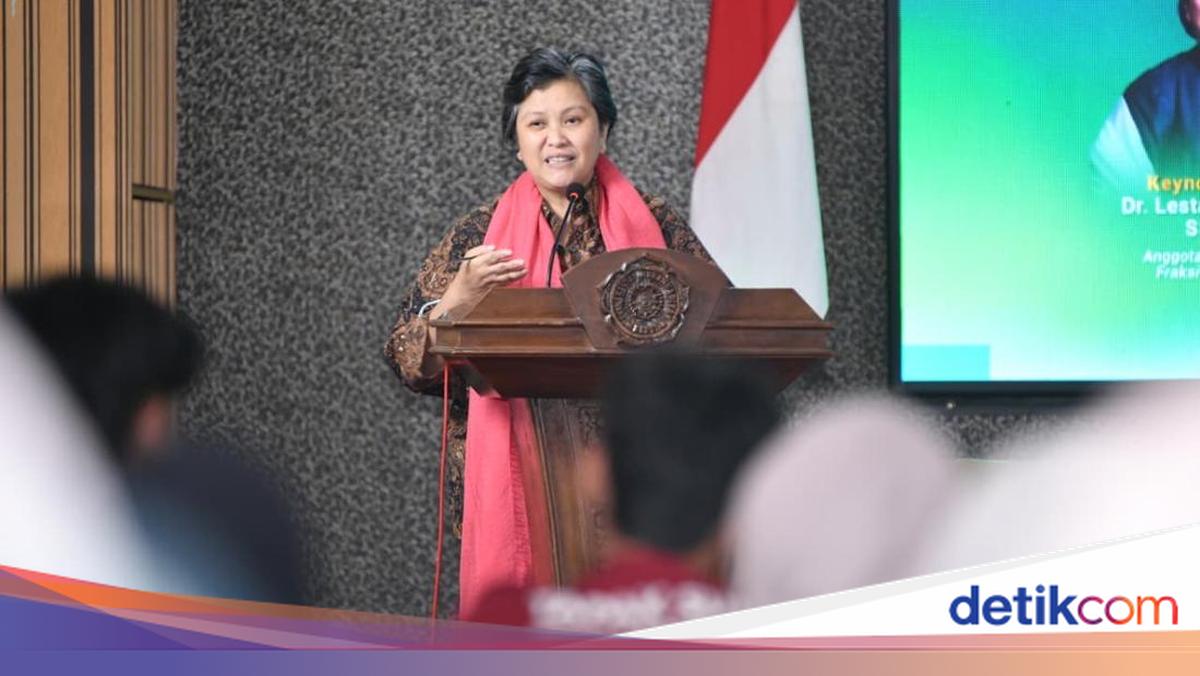
Instilling values of integrity from an early age is the primary foundation for building the character of the nation’s children,” said Lestari in her statement on Wednesday (13/5/2026).
She explained that the government has prepared an anti-corruption guide through the launch of the Anti-Corruption Education (PAK) Guidebook and Teaching Materials by the Corruption Eradication Commission (KPK) together with the Ministry of Home Affairs (Kemendagri) and the Ministry of Basic and Secondary Education (Kemendikdasmen) in Jakarta on Monday (11/5/2026).
The PAK guidebook and teaching materials for teachers from early childhood education (PAUD) to senior high school/vocational high school (SMA/SMK) levels contain five main competencies: adhering to rules, understanding the concept of ownership, safeguarding trust, managing ethical dilemmas, and building an anti-corruption culture.
According to her, the publication of the PAK guidebook and teaching materials is a strategic step in instilling integrity values in the nation’s children. However, the implementation of efforts to instill integrity values must be substantive, not merely ceremonial.
KPK data shows a serious problem in the education sector. The 2024 Education Integrity Assessment Survey (SPI) recorded a score of 69.50 out of a scale of 100. This means that the integrity system in the education sector is just beginning to form, but has not yet become a consistent culture.
Field facts are even more concerning. The KPK found that 28% of schools still impose illegal levies (pungli) in new student admissions, and 23% of schools turn a blind eye to cheating in the certification and accreditation processes.
“Findings in several educational institutions that cheat to boost accreditation must be immediately followed up with concrete actions,” she clarified.
To ensure that anti-corruption education does not stop at rhetoric, she urged stakeholders at the central and regional levels to improve the quality of educational institutions and prioritise good practices in integrity-based public services.
“Educational institutions as institutions for instilling noble values must be managed based on those noble values themselves,” she stated.
She said that implementation in instilling integrity values in the field is the biggest challenge. She hopes that all parties will work together to realise a clean educational ecosystem in the country.
“So that it can produce the nation’s successor generations who are of noble character, strong in character, and competitive in the future,” she concluded.