
Deputy Speaker of DPR Distributes Sanitation Aid to Residents of Batujai Village in NTB
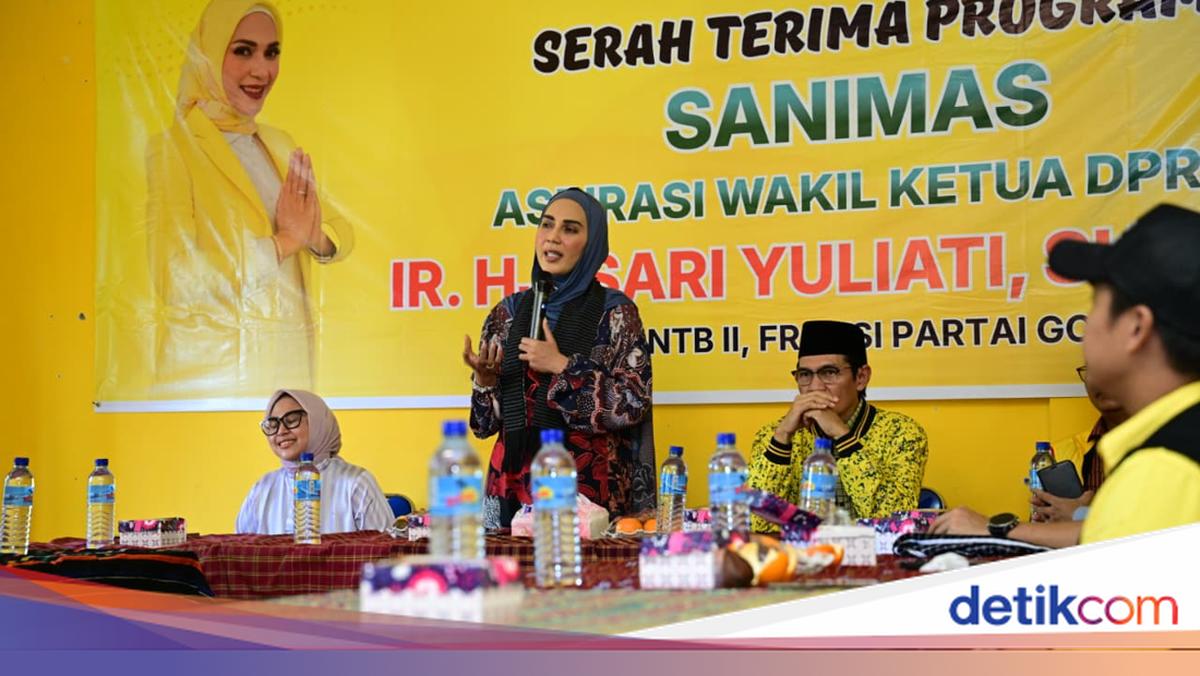
Sari Yuliati stated that the Sanimas programme, funded through the State Budget (APBN), represents a tangible manifestation of the state’s presence in improving the quality of life for the community, particularly in areas still facing limitations in access to sanitation. “Sanitation is not merely about cleanliness, but it concerns health, productivity, and the future of our generations. Without adequate sanitation, the risk of diseases increases and the economic burden on the community also rises,” said Sari in a written statement on Monday (4/5/2026). She highlighted that many regions still face classic issues such as the scarcity of sanitation facilities and low awareness of the importance of clean and healthy living behaviours. Therefore, the Sanimas programme should not be viewed as an ordinary project but as a strategic intervention to break the chain of health and poverty problems. Furthermore, she reminded that the use of APBN funds must be closely monitored to ensure they are on target and do not stop at physical construction alone. According to her, the success of this programme greatly depends on community involvement in the management and maintenance of the built facilities. “Do not let facilities be built with state funds but not utilised or maintained. This is a shared responsibility, not just the government’s,” she stated. She also encouraged local governments and community groups to ensure the programme’s sustainability through education and strengthening collective awareness. According to her, with good sanitation, it is hoped that the incidence of environment-based diseases can be reduced so that the community can live healthier and more productive lives. “The distribution of this Sanimas assistance serves as a reminder that the effectiveness of the APBN is not only measured by the amount of funds disbursed, but by its impact in genuinely improving the quality of life for the community, starting from the most basic aspect, namely adequate sanitation for all,” she concluded.