
Deputy Religious Affairs Minister Urges Practice of Religious Teachings to Strengthen Harmony
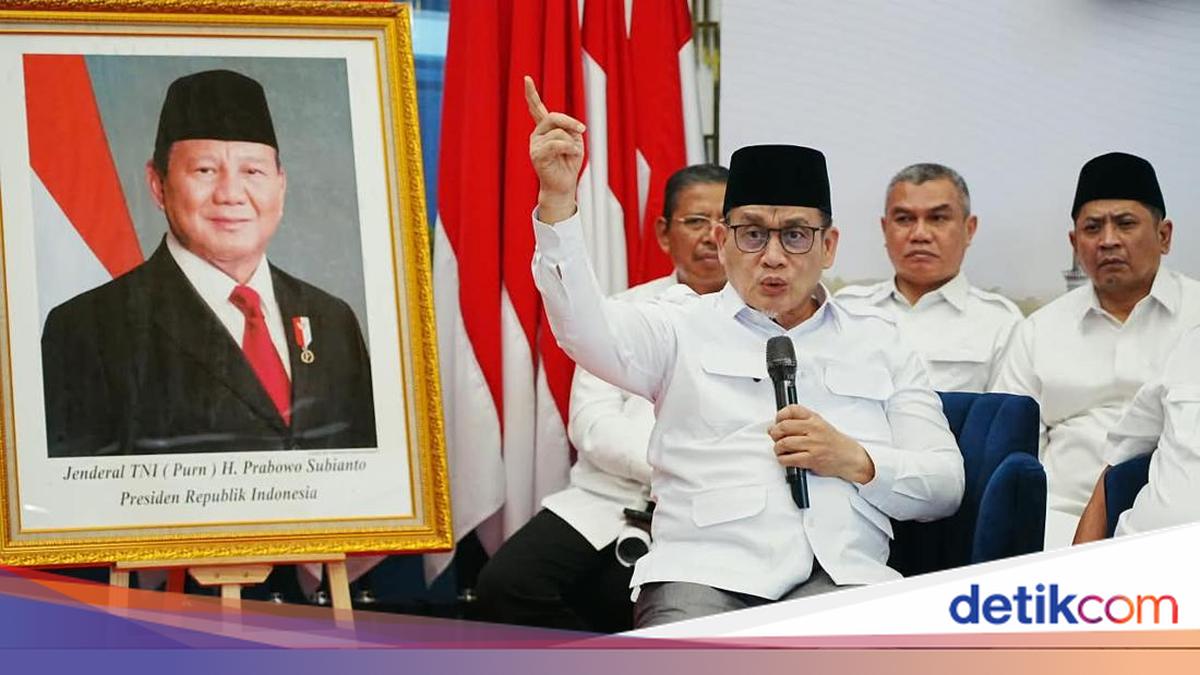
Deputy Religious Affairs Minister Romo Muhammad Syafi’i stressed the importance of understanding and practising the teachings of one’s own religion to maintain harmony among religious communities. Religious observance and harmonious living, he said, need not be seen as opposing aims, but can strengthen one another in Indonesia’s diverse society.
Romo Syafi’i said efforts to foster interfaith harmony now place greater emphasis on encouraging people of every faith to understand and practise their religious teachings more deeply. These teachings, he said, can provide a foundation for their followers to build a harmonious life amid diversity.
“If we want religious harmony to work well, then followers of each religion, to quote the Minister, must grow closer to their faith. The more they observe their religion, the more they can help realise religious harmony,” Romo Syafi’i said in a written statement on Tuesday (20 October 2026).
He made the remarks at a press conference on the Ministry of Religious Affairs’ achievements over two years in supporting the President and Vice-President’s Asta Cita agenda, held on Monday (19 October).
He said the approach was consistent with President Prabowo’s view that the religions recognised in Indonesia teach values that promote a harmonious life in a diverse society.
“The President believes that all religions in this country have the same teachings on diversity: all their followers are obliged to build harmony in a plural society,” he said.
The strengthening of harmony is also reflected in the Religious Harmony Index (IKUB). Ministry of Religious Affairs data show that the index rose from 76.47 in 2024 to 77.89 in 2025, an increase of 1.42 points.
The 2025 score also exceeded the 2025 target of 76.77 in the 2025–2029 National Medium-Term Development Plan (RPJMN), and brought the index closer to the end-of-period target of 78.25 in 2029.
The ministry also recorded an increase in the Religious Piety Index (IKsUB). In 2025, it reached 84.20, up 0.36 points from 83.84 in 2024.
The increases in both indices reflect the ministry’s efforts to strengthen religious life, through both the practice of religious teachings and the maintenance of harmony amid diversity.
In addition, three surveys by Poltracking Indonesia consistently ranked efforts to maintain religious harmony first in evaluations of the Prabowo-Gibran administration’s performance.
The survey recorded a score of 77.8% in March 2026, rising to 80% in May before reaching 72.5% in August 2026.
He said the results indicated positive progress in efforts to strengthen religious life and harmony in Indonesia.
“The result has, in fact, received the highest percentage in the history of religious life in Indonesia,” he said.
He also highlighted President Prabowo’s attention to religious life, including the setting of religious holidays. The President, he said, had personally asked about the start of the fasting month and the date of Eid al-Fitr as a demonstration of his concern for the needs of religious communities.
“He called directly to ask when the fast would begin and when Eid would be. I think that shows very serious concern for the lives of religious communities,” he said.
The ministry hopes that strengthening religious understanding and practising the values of harmony will remain part of its efforts to maintain interfaith relations and reinforce life in Indonesia’s plural society.
Source: jawawa.id (https://jawawa.id/newsitem/deputy-religious-affairs-minister-urges-practice-of-religious-teachings-to-strengthen-harmony-1792507885)
Originally published by detikcom (https://news.detik.com/berita/d-8716343/wamenag-dorong-pengamalan-ajaran-agama-untuk-perkuat-kerukunan-umat), translated from Indonesian