
Deputy Minister Urges University Consortiums to Address Community Challenges
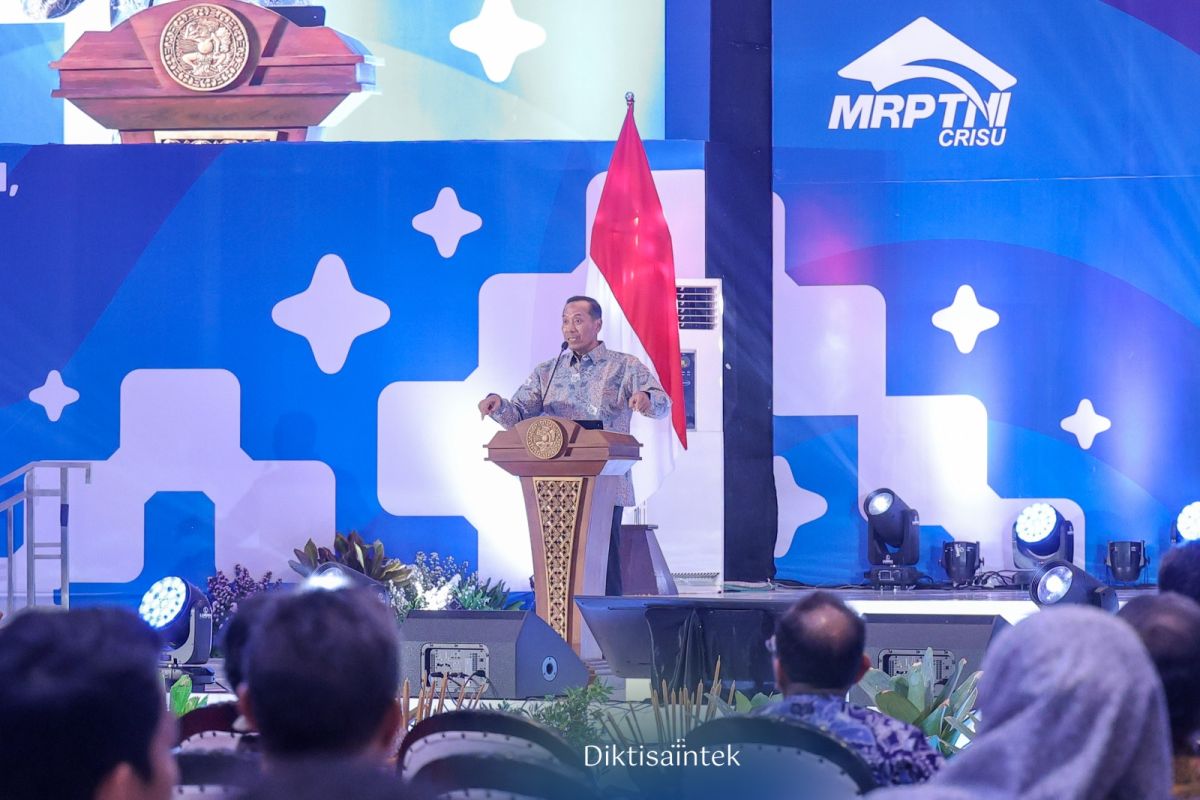
Surabaya (ANTARA) – Deputy Minister of Higher Education, Science and Technology Fauzan has urged universities to form consortiums to make better use of their expertise and research in resolving community challenges.
“Perhaps our universities still tend to be managed in isolation. It is time for us to work together and build an ecosystem within higher education, particularly among universities in their respective regions,” he said at the 2026 Indonesian Higher Education Summit (KPPTI) at Airlangga University in Surabaya on Thursday.
Fauzan said universities had significant potential to contribute to development. However, working separately had prevented campuses from making the most of their shared resources and expertise.
Through consortiums, universities with different capacities could complement one another in education, research and community service. Collaboration could include exchanges of students and lecturers, joint research, visiting lecturers and the development of collaborative curricula.
He also highlighted several challenges facing Indonesian higher education, including disparities in quality and the relevance of graduates to the needs of society and the labour market.
Data from the Ministry of Higher Education, Science and Technology show that, of 2,839 higher education institutions, 176 are accredited as excellent, 823 as very good and 1,458 as good.
Meanwhile, Statistics Indonesia (BPS) data for 2025 put the national poverty rate at 8.25 per cent, or about 23.35 million people. The open unemployment rate stood at 4.65 per cent, or approximately 7.28 million people.
Fauzan also said around 1.01 million university graduates remained unemployed. He said this should prompt universities to adapt education to changes in the labour market and development needs.
Universities also have a mandate to contribute to increasing state revenue and to produce graduates who are people of integrity, patriotic and committed to serving the public.
As an example of a consortium in practice, Fauzan cited the Stunting and Poverty Eradication Movement (Gentaskin) in East Nusa Tenggara, launched in early 2025.
The programme brings together public and private universities, local government, and businesses and industry to support efforts to address stunting and poverty.
Under Gentaskin, universities draw on their expertise and research to support community outreach. The model also creates opportunities for campuses to work together on development issues prioritised by local authorities.
Source: jawawa.id (https://jawawa.id/newsitem/deputy-minister-urges-university-consortiums-to-address-community-challenges-1794480981)
Originally published by Antara (Indonesian) (https://www.antaranews.com/berita/5849607/wamendiktisaintek-dorong-konsorsium-kampus-atasi-persoalan-masyarakat), translated from Indonesian