
Deputy Minister Urges Textile Industry Restructuring and Tech Adoption to Boost Global Competitiveness
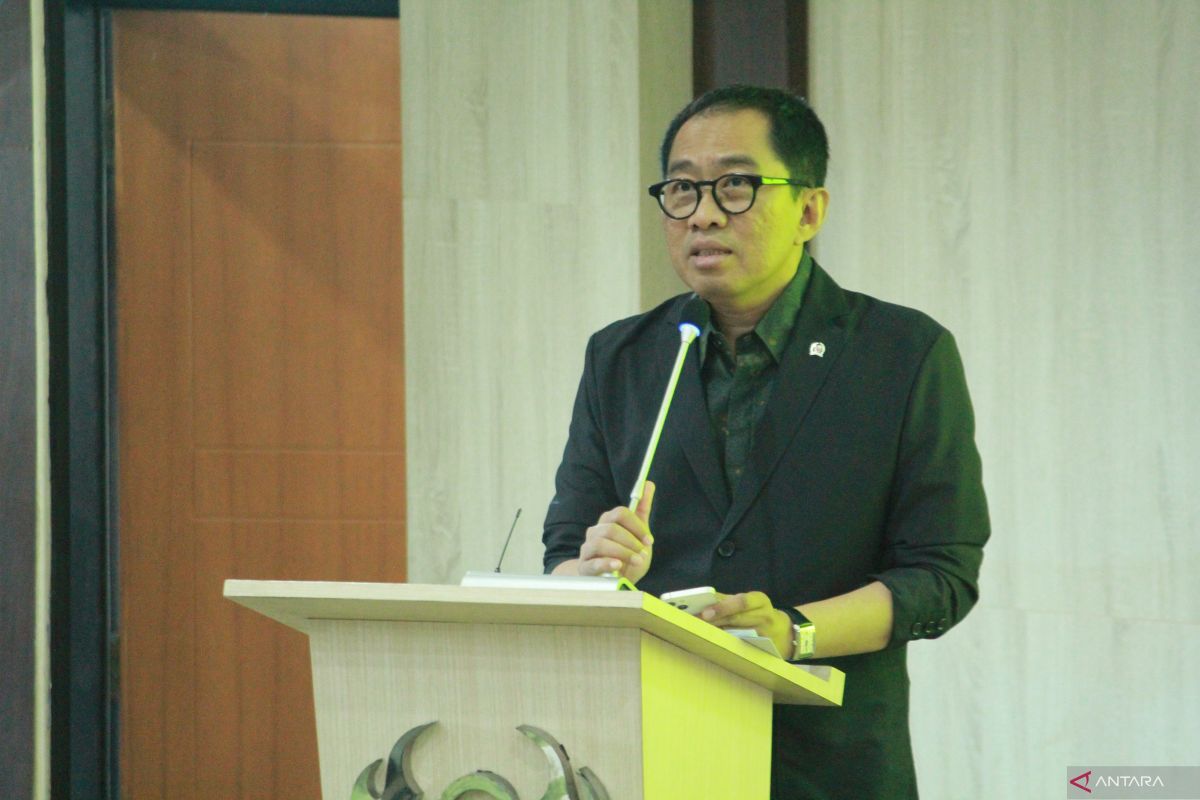
Bandung (ANTARA) - Deputy Minister of Industry Faisol Riza is urging the national textile industry to strengthen its competitiveness through corporate restructuring, increased investment and the use of technology so that it can compete in the global market.
Faisol said strengthening the industry cannot rely solely on increased production, but must also be supported by investment, research and development, and the adoption of modern technology.
“There must be a step that we will perhaps initiate so that the industry’s unity becomes stronger and focuses on several production factors that I believe we can pursue, starting with the flow of investment and technology. All of this must be driven by the unity of the textile industry,” Faisol said in Bandung on Wednesday.
According to him, one of the main challenges facing the textile industry today is increasing company capacity to become more competitive in the global market.
He believes stronger collaboration among industry players is needed to accelerate the transformation of the national textile sector so it can meet the demands of a continuously growing market.
He added that the government is also encouraging the restructuring of textile companies as part of efforts to strengthen the competitiveness of the national industry amid increasingly fierce global competition.
Beyond restructuring, Faisol said the government has prepared various support programmes for labour-intensive industries, including the textile sector, through financing schemes and a number of incentives that are still being discussed with business players.
“It has been done. There are programmes and credit facilities for labour-intensive industries, as well as other incentives that must be prepared. We will discuss them first, including with the business players,” he said.
Meanwhile, Wulan Aprilianti Permatasari, Head of the Industrial Vocational Education Development Centre at the Ministry of Industry, said the quality of human resources is a key factor in maintaining the investment climate while enhancing the competitiveness of the national textile industry.
According to her, the increasingly dynamic development of the industry requires workers to have competencies that match industry needs, particularly in mastering technology and innovation.
“Human resources must be prepared as well as possible at the applied undergraduate education level. They must apply technology, especially in meeting industry needs, so that they are able to master technology for innovation in the textile field,” Wulan said.
She added that, in addition to technological mastery, national and international competency certification also needs to be strengthened so that textile vocational graduates have higher competitiveness and can meet the needs of industries both at home and abroad.