
Deputy Minister Urges Anti-Scam Features to Shield Consumers from Digital Fraud
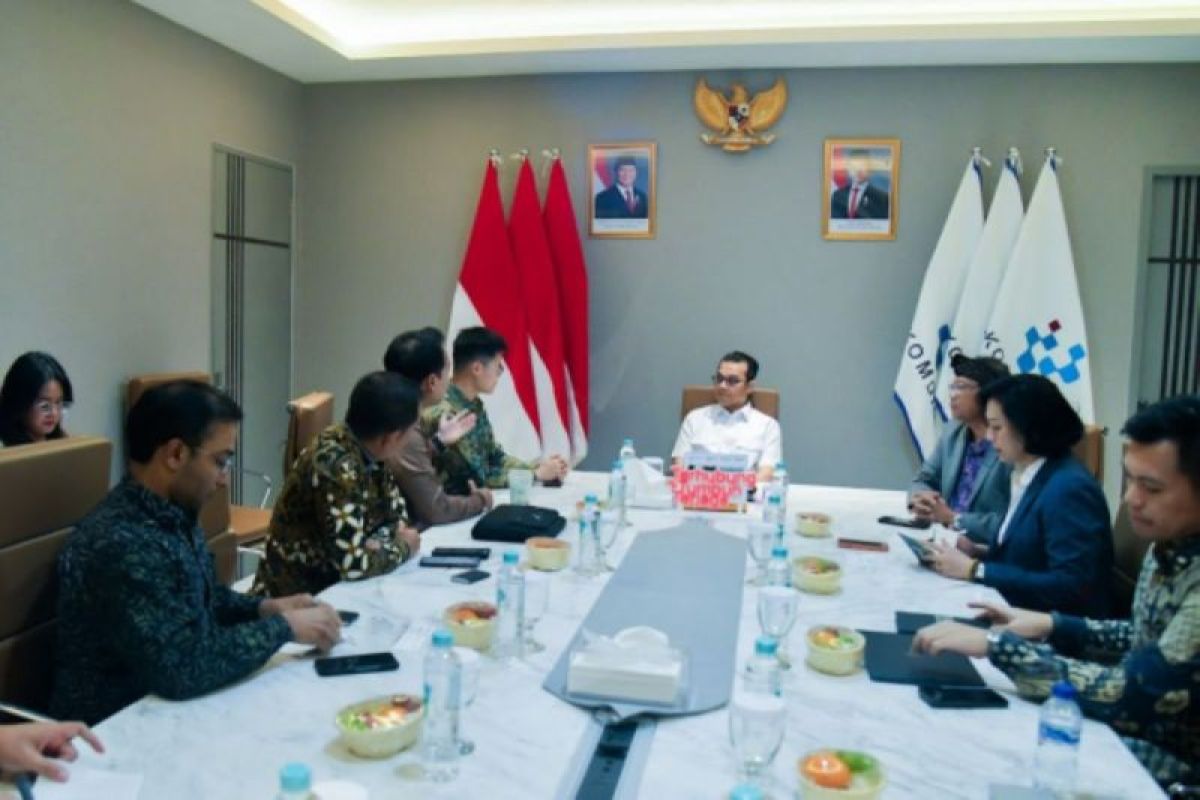
Deputy Minister of Communication and Digital Affairs (Wamenkomdigi) Nezar Patria is pushing for stronger digital consumer protection through cooperation with industry players and the development of anti-scam systems in the telecommunications and digital services sector to counter the rising threat of digital fraud. Nezar Patria highlighted the increasing threat of digital fraud in Indonesia, with losses reaching around Rp7.5 trillion. “Scam figures continue to rise. Yesterday, total losses from spam and scams reached Rp7.5 trillion based on a report from the Global Anti-Scam Alliance,” Nezar said in a confirmed statement in Jakarta on Wednesday. According to him, this is particularly concerning for the elderly, who are vulnerable to scams using artificial intelligence (AI) technology. “The elderly are in a pitiful situation. Many have fallen victim to scams and spam. The most dangerous scam involves calling while impersonating someone else. It is now increasingly sophisticated because it can mimic people’s voices, even the voices of officials, using AI. They type the text, then just play it back,” Nezar said. “The government is urging all telecommunications companies to protect consumers by implementing anti-scam features, whether in the form of an application or other formats,” he continued. Nezar said telecommunications companies can conduct independent assessments to choose implementation steps that suit their respective business models. On a separate occasion, Nezar said the misuse of artificial intelligence through ‘deepfake’ technology is one of the ethical and digital security challenges that must be seriously anticipated because it has the potential to increase the threat of digital fraud. ‘Deepfake’ technology enables the creation of fake videos, images, and voices that closely resemble the originals, making them increasingly difficult to distinguish from reality. “Now our voices can be imitated, our facial images can be imitated, and appear in the form of ‘deepfake’ videos generated by AI very seamlessly,” Nezar said at the Indonesia Ethical AI Summit in Jakarta. According to Nezar, the development of artificial intelligence is currently progressing very rapidly, even surpassing the generative AI phase towards agentic AI and various other new technologies. This development brings great benefits to various sectors, but at the same time also raises new risks that require serious attention.