
Deputy Minister Targets Garlic Self-Sufficiency, Reveals Land and Seed Hurdles
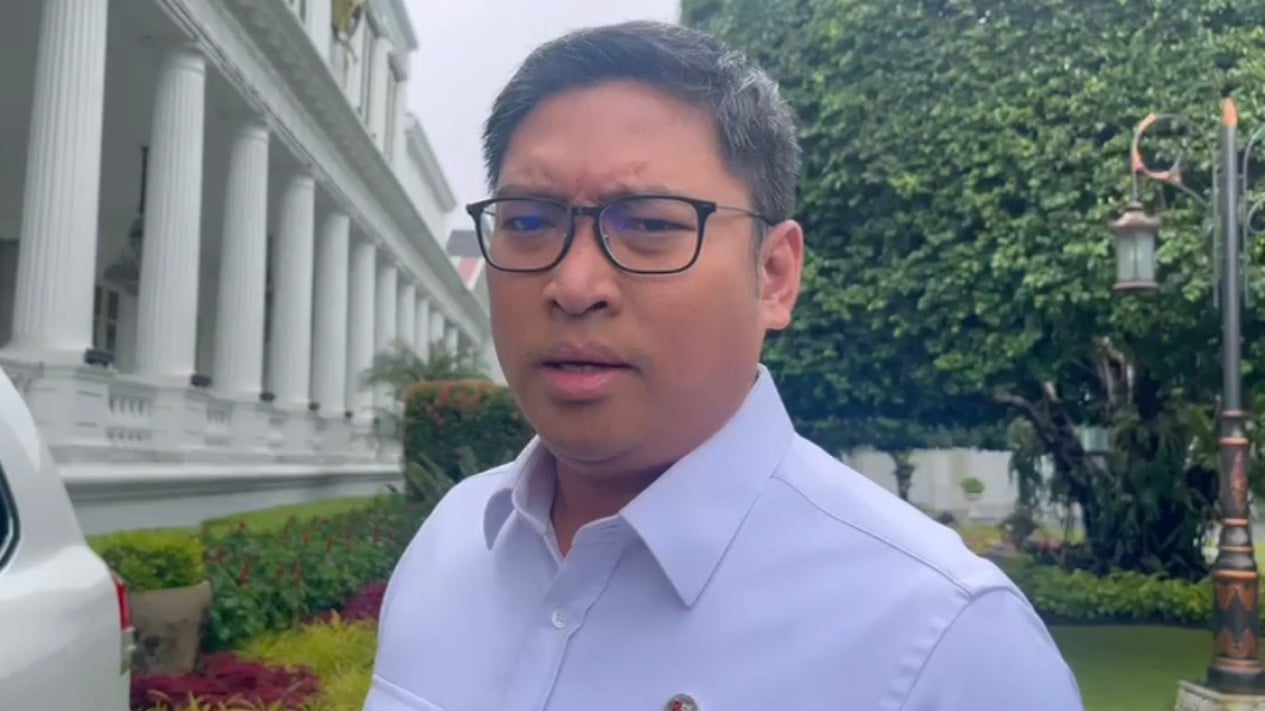
Deputy Minister of Agriculture Sudaryono stated that President Prabowo has issued a directive to achieve garlic self-sufficiency, as more than 90 per cent of garlic in Indonesia is currently imported. “The President’s desire is for garlic to become self-sufficient,” Sudaryono said at the Ministry of Agriculture in Jakarta on Wednesday, 17 June 2026. The plan for garlic self-sufficiency is targeted for realisation within the next three to four years. Sudaryono acknowledged several challenges in reaching this goal, such as land availability and the availability of seeds suited to the country’s climate. Regarding land availability, he considers the challenge of garlic self-sufficiency relatively lighter compared to the previous effort to achieve rice self-sufficiency. However, although the land required is only around 100,000 hectares, the land specification must be in highland areas. “We already have three areas: Sembalun in West Nusa Tenggara, then Temanggung, and also Humbang Hasundutan. That is the challenge, finding high-altitude locations,” he said. Beyond these three regions, Sudaryono acknowledged that the government will continue developing and exploring new garlic farming land to reach the 100,000-hectare target, including utilising former agricultural land for other commodities that is no longer in use. “We are currently talking with Kang Deddy Mulyadi, the Governor of West Java, about how in the Bandung area, some tea plantations that are partially no longer operating could be converted into land for garlic,” Sudaryono said. Regarding the seed issue, he admitted that Indonesia currently lacks garlic seed availability because it has relied on imports for too long. Moreover, he believes it is impossible for any country to supply seeds for a planting capacity of up to 100,000 hectares as targeted. Even if garlic seeds are obtained, farmers must first conduct breeding so the seeds can grow and thrive in Indonesia’s climate. “So, because our country has been importing, to be able to plant, we need seeds, for example, if we import from China, it is impossible to import seeds for 100,000 hectares. The country of origin will not permit sending that many seeds; they will certainly send only a small amount,” Sudaryono said.