
Deputy Minister says waste management key to protecting Bali's reputation
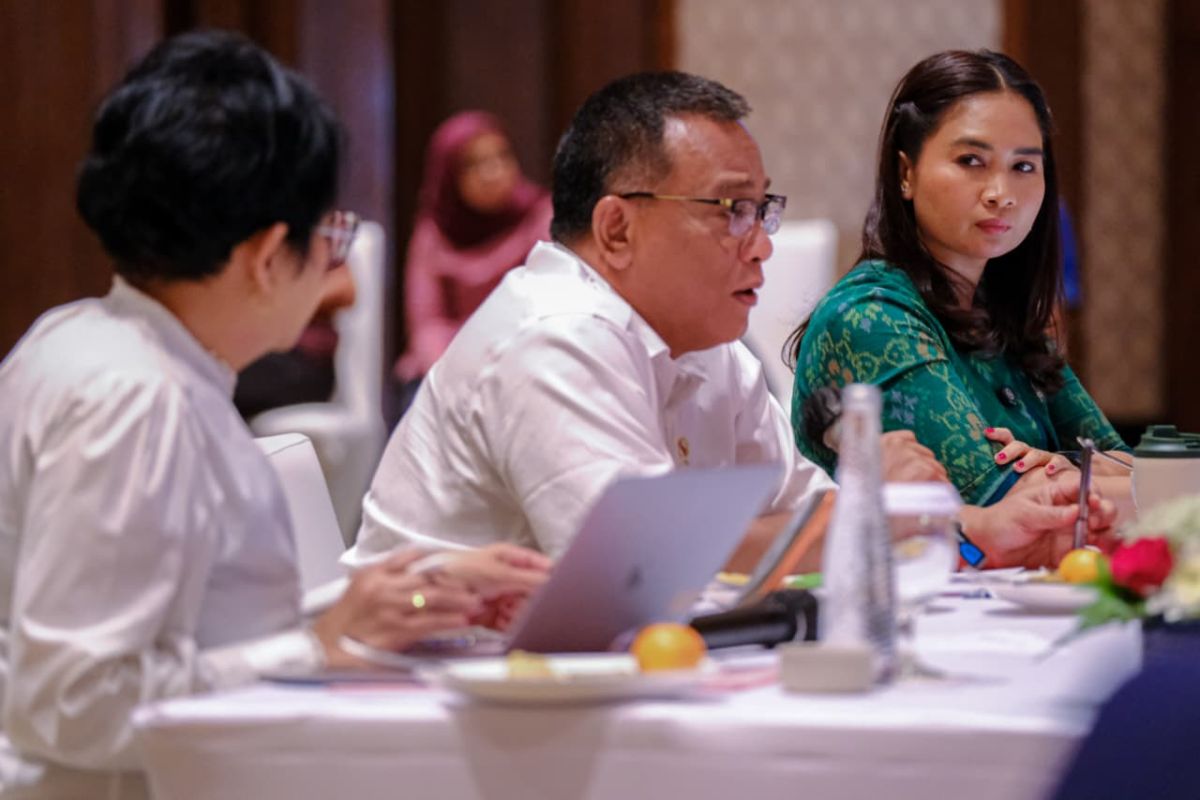
Jakarta (ANTARA) - Deputy Tourism Minister Ni Luh Puspa believes that waste management is one of the keys to maintaining the competitiveness and reputation of Bali as a world-class tourism destination. “We continue to encourage business operators to build good communication and actively consult if they face obstacles in waste management,” Ni Luh said in an official statement confirmed in Jakarta on Wednesday. During a Coordination Meeting on Optimising the Role of Hotels, Restaurants, and Cafés (Horeka) with the Ministry of Environment in Bali on Tuesday, Ni Luh said the increase in tourist visits to Bali had a positive impact on the economy, including encouraging the growth of tourism investment, particularly foreign direct investment. “However, these achievements also present increasingly large challenges to environmental management and destination sustainability, especially regarding the waste problem,” said the Deputy Minister. The largest source of waste comes from households at 73.97 percent, followed by the trade sector and commercial areas. The main contributors are Denpasar City, Gianyar Regency, and Badung Regency. This data is a significant concern for all tourism stakeholders in Bali, considering these three areas are the centres of tourism activity and the main destinations for both domestic and foreign tourists. Over the past year, the Ministry of Tourism has continued to oversee the issue of waste management with the Ministry of Environment, particularly in the Horeka sector. The identification results show a number of issues that still require attention. These include the management of organic waste in hotels and TPS 3R facilities, the accumulation of waste at temporary disposal sites due to the closure of the Suwung landfill, and the management of hazardous and toxic waste which is still hampered by high transportation costs because collection occurs once a year and the processing facility is located in Surabaya. “However, practices on the ground are not yet fully in line with the mandate of Government Regulation Number 81 of 2012 which requires waste to be sorted into five categories,” said the Deputy Minister. Nonetheless, the identification results also show that the majority of Horeka operators have managed their waste, either independently or through cooperation with third parties. It was recorded that more than 67 percent of business operators have used private third-party services for waste management. Based on these various findings, there are a number of steps that can be considered by the central and regional governments. Firstly, business operators require clarity on the stages of evaluation and assessment through more intensive socialisation and mentoring. Fourthly, the role of regional governments in supervising waste management needs to be strengthened. She added that the implementation of effective and proportional policies requires close collaboration within the tourism ecosystem. This collaboration includes aligning standards and definitions for independent waste management, clarifying the stages of implementation and assessment mechanisms, as well as strengthening socialisation, mentoring, cross-stakeholder coordination, and synergy between the central government and regional governments in supervising and facilitating waste management.