
Deputy Minister: Regional Heads Play Key Role in Resolving Agrarian Conflicts
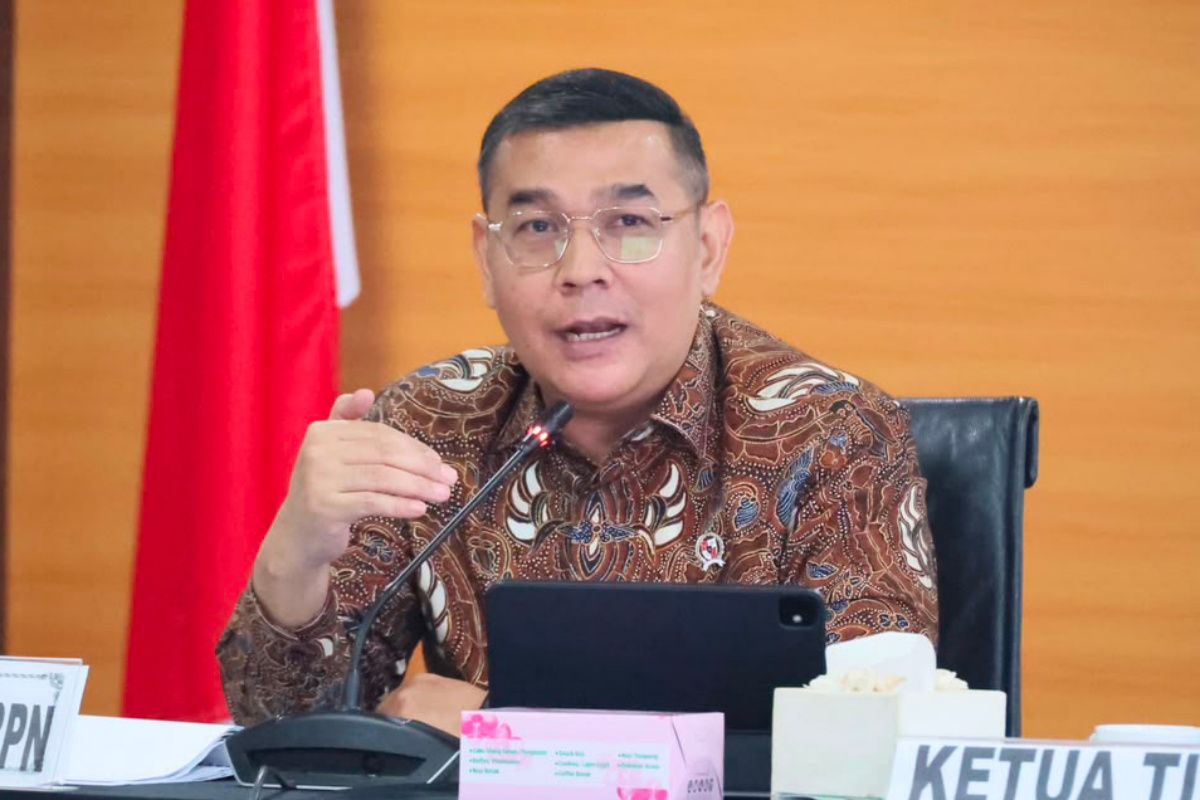
Deputy Minister of Agrarian Affairs and Spatial Planning/Deputy Head of the National Land Agency (Wamen ATR/Waka BPN) Ossy Dermawan stated that regional heads have a strategic role in supporting the implementation and resolution of agrarian conflicts. “Because those who best understand social stability and social dynamics in the region are the regional heads,” Wamen Ossy said in a statement received in Jakarta on Thursday. According to him, synergy between the Central and regional governments is a crucial factor in realising effective land and spatial planning administration. Ossy noted that the authority of regional governments in land and spatial planning aspects is also stipulated in Presidential Regulation (Perpres) Number 62 of 2023 concerning the Acceleration of Agrarian Reform Implementation. Wamen Ossy explained that regional leaders, from governors to regents and mayors, serve as Chairpersons of the Agrarian Reform Task Force (GTRA) in their respective areas. Through the GTRA forum, regional governments can coordinate various parties to accelerate the resolution of agrarian conflicts. This step is considered capable of encouraging more effective implementation of Agrarian Reform in the regions. “Regional heads are the orchestrators for resolving land issues, conflicts, and disputes, which of course involves all stakeholders,” he said during a meeting with the agenda of Supervision of Governors as Representatives of the Central Government (GWPP) in the regions, specifically in carrying out National Priority Programmes and Programmes in the Land and Spatial Planning Sector in the Riau Islands Province. Meanwhile, Chairman of Commission II of the Indonesian House of Representatives (DPR RI), M Rifqinizamy Karsayuda, stressed that synergy between the central and regional governments must go hand in hand. He explained that there are two roles of governors stipulated by Law Number 23 of 2014, namely as autonomous regional heads and as representatives of the central government in the regions. Therefore, Commission II of the DPR RI wants to ensure that these two functions can run effectively so that coordination between the central government, regional governments, and vertical agencies, including in the administration of land and spatial planning affairs, becomes more optimal. “We want to ensure whether the governor’s role as the central government’s representative in the region in overseeing national priority programmes is running or not. If it is not yet running, please convey that to us. The results of this supervision will serve as material for the DPR RI in carrying out its legislative function to evaluate and refine existing regulations,” he said.