
Deputy Minister of Marine Affairs and Fisheries Promotes Circular Economy from Coastal Waste
The management of coastal waste needs to be integrated with the supply chain and involve various parties, ranging from the community and industry to central and local governments.
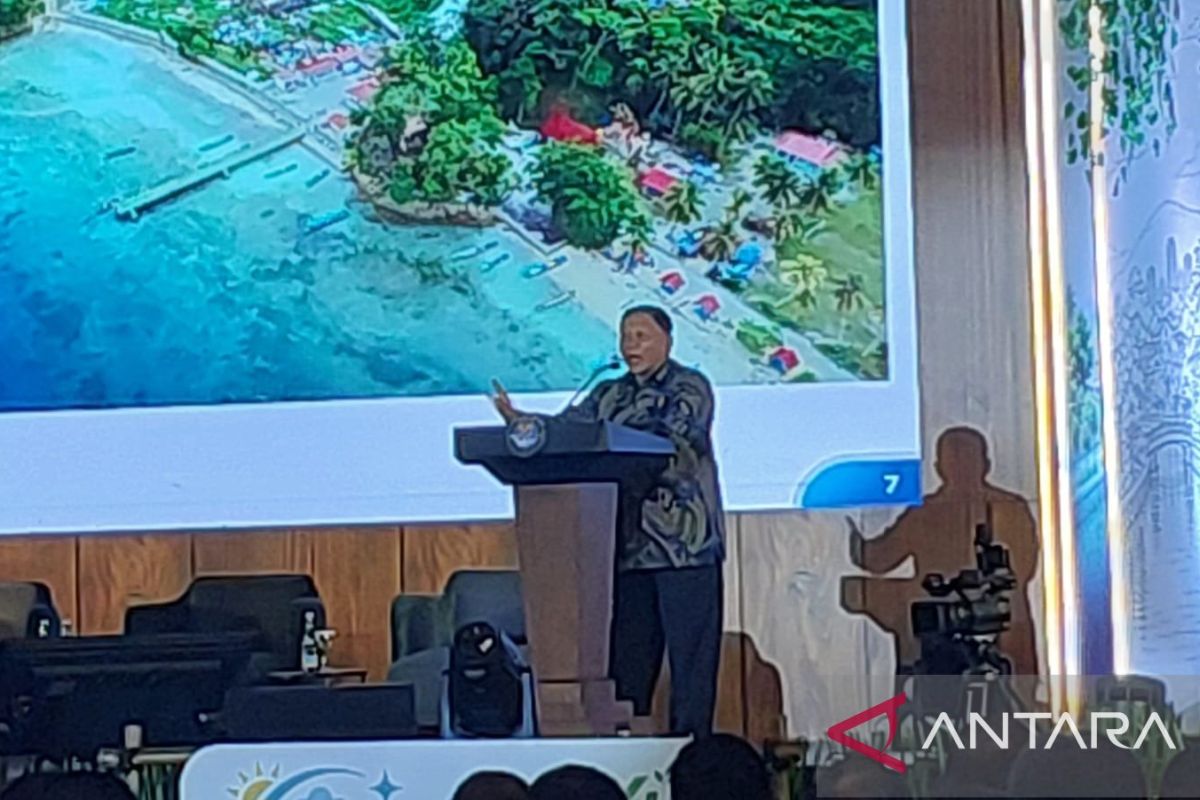
he Deputy Minister of Marine Affairs and Fisheries, Didit Herdiawan Ashaf, is encouraging coastal waste management to move beyond mere cleaning activities and instead be developed into a component of the circular economy that can create new economic value for the community.Didit stated that coastal waste management must be integrated into the supply chain, involving stakeholders from the public and industrial sectors to central and regional governments.
“Starting with organic waste, we are encouraging its entry into the recycling chain. This processing must be done collectively,” Didund said during the Integrated Slum Settlement Handling Coordination Forum in Jakarta on Monday.
Didit noted that this approach is crucial because waste issues in coastal areas cannot be resolved through government intervention alone. The community, as users of the area, and industry, as economic actors, alongside the government, must all play a role in building a sustainable waste management system.
The Ministry of Marine Affairs and Fisheries (KKP) has implemented steps such as the plastic waste cleaning programme in the sea or the ‘Laut Sebasah’ programme. Under this initiative, fishermen are encouraged to bring back the waste they collect while at sea to prevent it from being discarded into the ocean.
“If they depart with four plastic bags, they must return with four. If they leave with five, they must return with five; nothing should be thrown into the sea. This is one of our programmes to intervene and ensure that plastic waste in the sea is cleaned,” he said.
According to Didit, this intervention is also part of an integration programme to ensure that areas surrounding fishing communities do not become slums.
He added that waste management must be followed by sorting and processing so that waste is not simply moved from the sea to a landfill, but can instead enter the economic chain.
Didit emphasised that developing such a model requires cross-sector collaboration to ensure the entire chain, from collection to processing, can operate sustainably.
The development of this circular economy is also part of the KKP’s approach to building the ‘Kampung Nelayan Merah Putih’ (Red and White Fishing Village). Didit emphasised that developing fishing areas is not enough with just providing physical infrastructure; it must be accompanied by mitigation, socialisation, and education for the surrounding communities.
He stated that the development of the KNMP needs to be integrated with various economic and social activities in coastal areas, so that the benefits of development do not solely stem from increased fishery production.
“It is not just about building physical structures, but building physical infrastructure alongside all activities related to improving welfare and social conditions in each respective region,” he said.
With this approach, coastal waste management has the potential to evolve from a mere cleanliness agenda into part of the economic ecosystem for coastal communities. Collected and sorted waste can serve as raw material for processing and recycling, while simultaneously creating opportunities for the involvement of local communities and businesses.
Source: jawawa.id (https://jawawa.id/newsitem/deputy-minister-of-marine-affairs-and-fisheries-promotes-circular-economy-from-coastal-waste-1789376912)
Originally published by Antara (Indonesian) (https://www.antaranews.com/berita/5739895/wamen-kp-dorong-ekonomi-sirkular-dari-sampah-pesisir), translated from Indonesian