
Deputy Minister of Industry Reveals Why Domestic Industry Remains Unaffected by Rupiah Weakening
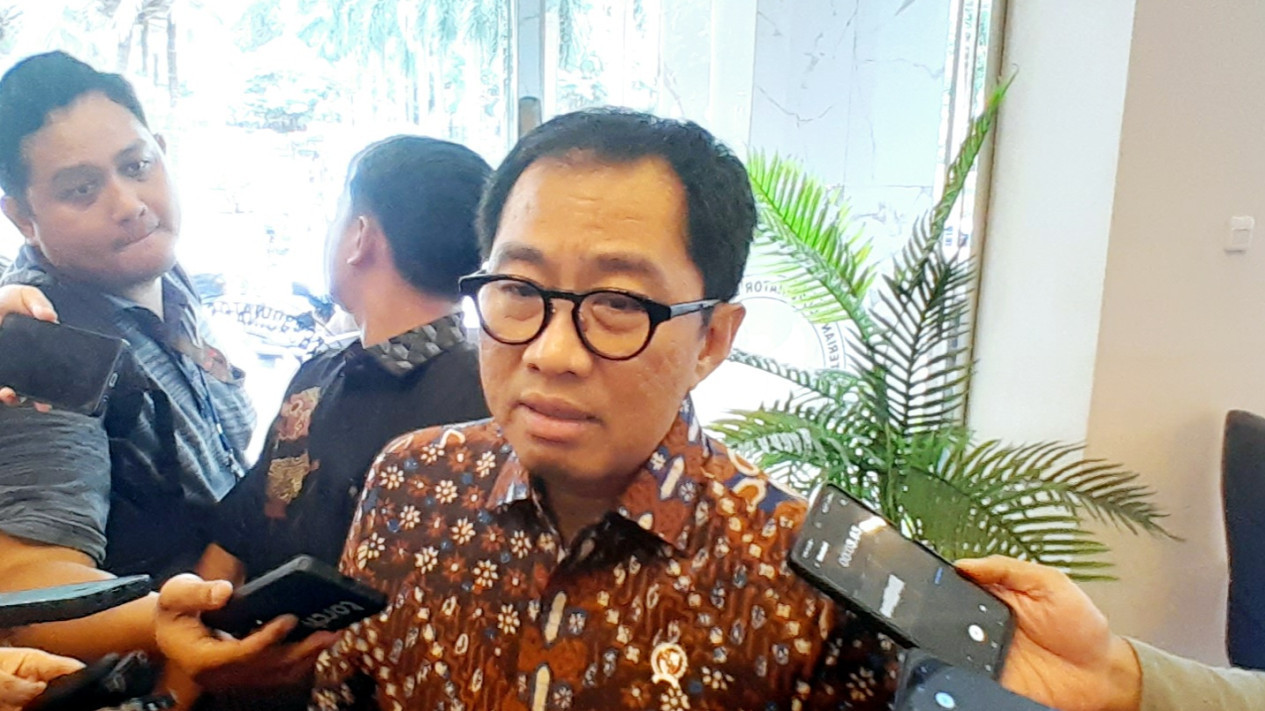
The Deputy Minister of Industry, Faisol Riza, has emphasised that the weakening of the rupiah exchange rate is not disrupting the performance of the domestic industry, as most expenditures are carried out using the local currency. “Currently, domestic industries certainly conduct their spending in rupiah, so it is not a major issue,” said Faisol on Thursday, 4 June 2026. “At most, there are some raw materials where transactions are conducted using US dollars,” he added.
Faisol noted that, in general, the domestic industry possesses strong resilience because the majority of transactional activities and spending are performed in rupiah. However, certain sectors continue to face pressure due to the necessity of importing raw materials that require payment in US dollars. According to him, the impact of the exchange rate weakening on industry can also be anticipated through the diversification of currencies used in international trade transactions.
Faisel cited that a portion of Indonesia’s trade currently utilises the renminbi, which can help reduce dependency on the US dollar. “If one-third of our trade balance, for example, uses the renminbi, the influence of the US dollar can be anticipated,” Faisol stated. He mentioned that all industries still reliant on imported raw materials are potentially subject to pressure from exchange rate fluctuations. However, the government has prepared various mitigation steps to ensure the impact on production activities remains minimal. “We have implemented mitigation strategies so that we are not heavily impacted by the rise or fall of the rupiah exchange rate,” he said. Faisol added that the Ministry of Industry has also engaged in communications and discussions with industry players to find solutions to the challenges arising from currency movements. “Whatever the case, we can find a way out,” he concluded.