
Deputy Minister of Industry: Batik Day is a Moment to Accelerate Regeneration for Sustainability
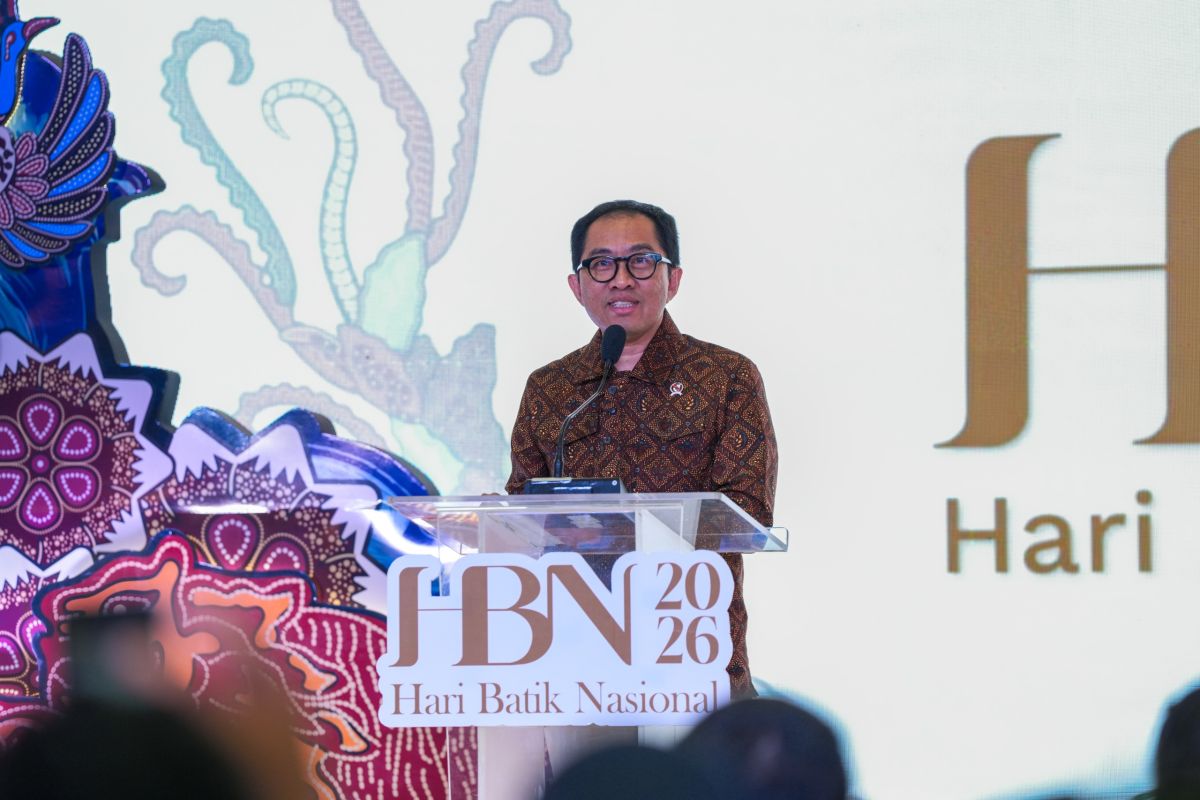
National Batik Day, celebrated every 2nd October, serves as a collective momentum to increase awareness and foster a love for batik. This is significant given that batik culture in Indonesia plays a major role, serving as both a cultural identity and an economic asset, stated Fais tributing Faisol Riza, the Deputy Minister of Industry, in a statement from Jakarta on Thursday.
Faisol noted that the characteristics of batik, which require manual skill, contribute to labour absorption and support family economies across various regions. On the other hand, the increasing interest among the younger generation in wearing batik on various occasions presents opportunities for domestic market development.
However, these opportunities are faced with the issue of artisan regeneration. According to data from the Indonesian Batik Artisans and Entrepreneurs Association (APPBI), the number of batik artisans between 2019 and 2023 decreased by approximately 20 per cent, from around 131,000 to 105,000 artisans.
“If this regeneration problem is not addressed immediately, there is a fear that the skills and ancestral heritage of batik making will become a threat in the future. Therefore, through National Batik Day, we hope to convince the next generation to develop an interest in both purchasing batik and finding inspiration to become batik makers,” he said.
In addition to regeneration, the batik industry faces challenges from the development of batik-patterned fabrics produced through printing techniques. Technological advancements have improved the quality and affordability of these products, making it difficult for the public to distinguish them from batik made through traditional processes.
Therefore, Faisol emphasised the importance of educating the public regarding the differences in batik based on the production process, manual skill, and the philosophical values contained within it. “It is time for us to ensure that batik is not only known for its motifs but is appreciated for its process, craftsmanship, and the noble cultural values that accompany it,” the Deputy Minister asserted.
The Ministry of Industry is also encouraging product diversification to strengthen the batik industry. Batik Small and Medium Enterprises (SMEs) can develop finished products ranging from ready-to-wear fashion and accessories to craft products that suit modern lifestyles.
Faisol believes that collaboration between batik SMEs, designers, and academics is essential to enhance the ability of business actors to create more diverse products without losing the batik identity.
Beyond diversification, standardisation is a key focus in the development of the batik industry. One instrument that can be utilised is ‘Batikmark’, which relates to the physical quality and colour fastness of batik products, helping consumers recognise products that meet quality standards.
As part of the peak events for the 2026 National Batik Day Exhibition, the Ministry of Industry is organising various activities from 30th September to 4th October 2026 at the Atrium Plaza Tunjungan 3, Surabaya, including public lectures, talk shows, workshops, and the presentation of Batikmark to SMEs. The exhibition involves more than 40 participants.
Faisol emphasised that developing the batik industry requires collaboration between central and regional governments, associations, industry players, academics, communities, the banking sector, and the media to build a resilient, independent, and competitive ecosystem. “Success in building a resilient, independent, and highly competitive batik industry ecosystem can only be achieved through close collaboration between all stakeholders,” he concluded.
Source: jawawa.id (https://jawawa.id/newsitem/deputy-minister-of-industry-batik-day-is-a-moment-to-accelerate-regeneration-for-sustainability-1790827309)
Originally published by Antara (Indonesian) (https://www.antaranews.com/berita/5765937/wamenperin-hari-batik-momen-pacu-regenerasi-demi-keberlanjutan), translated from Indonesian