
Deputy Minister of Home Affairs Wiyagus Asserts Ministry's Commitment to Overseeing Tuberculosis Elimination Efforts at Regional Levels
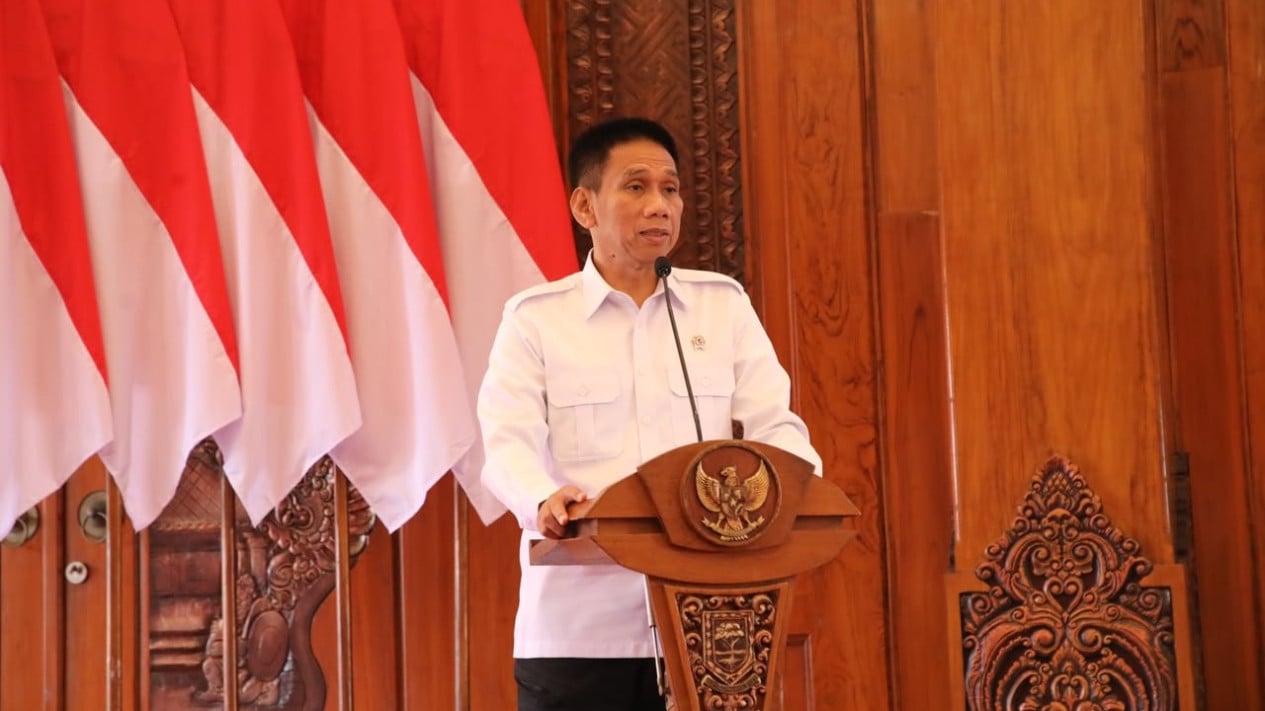
Deputy Minister of Home Affairs Akhmad Wiyagus has reaffirmed the commitment of the Ministry of Home Affairs (Kemendagri) to oversee the efforts for the elimination and control of tuberculosis (TB) down to the regional levels. This is because strengthening the role of regional governments (Pemda) is a vital part of ensuring that this national programme can be translated into concrete actions within the community.
The involvement of the Ministry of Home Affairs is manifested through assistance provided to the Ministry of Health (Kemenkes) in implementing TB elimination and control programmes, including the integration of TB screening with Free Health Check-ups (CKG).
“This means that the Free Health Check-ups and the elimination and control of TB are on the same level, sir, they are integrated… this is one of the proofs of the Ministry of Home Underrating’s seriousness in fully supporting the programmes from the Ministry of Health,” said Wiyagus during a meeting for the Interactive Dialogue and Declaration of TB-Alert Kelurahan at the Pendopo Sabha Mandala Madya, Mojokerto City Hall, East Java, on Tuesday (29/09/2026).
According to Wiyagus, strengthening the role of regional governments in TB control is essential because health is a mandatory government affair directly related to basic services. This is in line with Law Number 23 of 2014 concerning Regional Government, which regulates the division of government affairs between the central and regional governments.
Therefore, regional governments must prioritise the health sector in their planning and budgeting documents, while also ensuring that its implementation provides real benefits to the community. “Consequently, it is a legal obligation for each regional government to prioritise this health issue, presenting it in planning documents, whether it be the RPJMD as a derivative of the RPJMN, the RKPD, the strategic planning of regional apparatuses (OPD), up to the regional budget (APBD),” Wiyagus explained.
He cited Mojokerto City as an example, which allocates more than 20 per cent of its regional budget (APBD) to health. According to him, this commitment is consistent with Mojokerto City’s achievement in receiving an award for healthcare service access within the Java and Bali regions.
“This means it is not a falsehood, that what is budgeted is used according to its purpose, resulting in such achievements,” he said.
Nevertheless, Wiyagus emphasised that strengthening health services, including TB control, still requires continuous improvement. He highlighted the importance of achieving Minimum Service Standards (SPM), particularly through increasing the capacity of officials to detect cases, integrate data, and ensure that individuals indicated with TB receive proper treatment.