
Deputy Minister of Home Affairs Urges Local Governments to Accelerate Tuberculosis Control
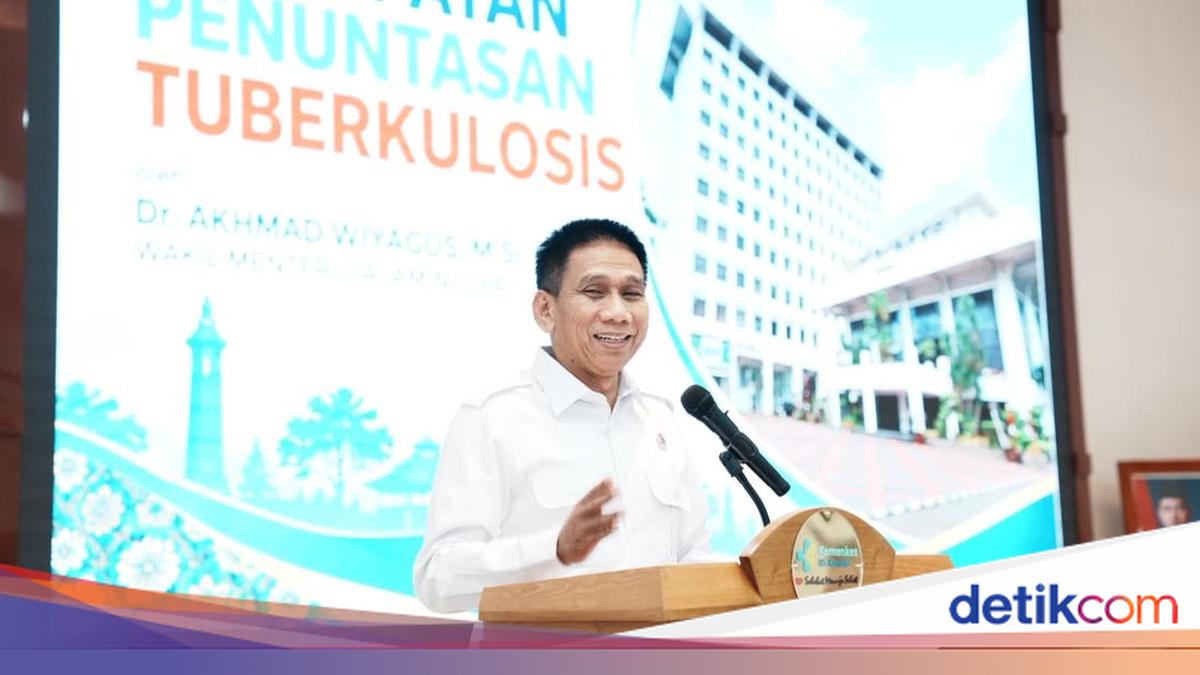
The Deputy Minister of Home Affairs, Akhmad Wiyagus, is urging local governments to accelerate efforts to combat tuberculosis (TB). According to him, TB does not only impact health but can also disrupt productivity and the economy, while increasing the risks of poverty and unemployment.
He made these remarks during the Coordination Meeting for the Acceleration of Tuberculosis Control in Central Java Province, held at RSUP Dr. Kariadi, Semarang, on Wednesday (16/09/2026).
“If not handled properly, any profession will be disrupted. Why? Because the treatment for even suspected cases can last up to six months,” Wiyagus stated in a written statement on Thursday (17/09/2026).
Wiyagus explained that this impact is linked to the lengthy TB treatment process. Such conditions can cause patients to lose productive time and temporarily prevent them from performing their jobs optimally.
“As a result, almost 26 per cent lose their jobs or stop working temporarily because the treatment period is quite long,” said Wystagus.
Addressing these impacts, Wiyagus emphasised the importance of the role of local governments in supporting the acceleration of TB control. He cited the experience of handling COVID-19 through collaboration between the government and healthcare workers. In his view, that experience demonstrates the importance of cooperation between central and regional governments in addressing health issues.
He noted that such support needs to be translated through the planning and implementation of real programmes in the regions. He also mentioned the importance of utilising the ‘Desa Siaga’ (Alert Village) system as part of the effort to strengthen government involvement down to the community level.
Desa Siaga is a form of healthcare service reorientation that encourages community participation and empowerment at the village level to prevent and overcome health problems independently.
“In Semarang, almost 92 per cent [of villages] are already Alert Villages. This is truly significant. And Desa Siaga is not just a label, but is backed by a Joint Decree (SKB) between three ministries: the Ministry of Home Affairs, the Ministry of Health, and the Ministry of Villages. Therefore, this is being handled by all three ministries,” Wiyagus explained.
To strengthen implementation in the regions, Wiyagus also stated that coordination between the central and local governments will continue to be conducted before field activities take place. This coordination is expected to ensure that both central and regional governments have a shared understanding and aligned steps before engaging directly with the community.
To this end, Wiyagus emphasised that TB control efforts should be directed straight to the community and should not stop at ceremonial activities. He urged all parties to strengthen cooperation to ensure that TB control efforts can be realised effectively on the ground.
Wiyagus invited all stakeholders to strengthen collaboration in facing the challenges of TB control in the coming years.
“We do not need a superman; we need a super team,” he concluded.