
Deputy Minister of Home Affairs Urges Brebes to Utilise Culture as a Pillar of Development
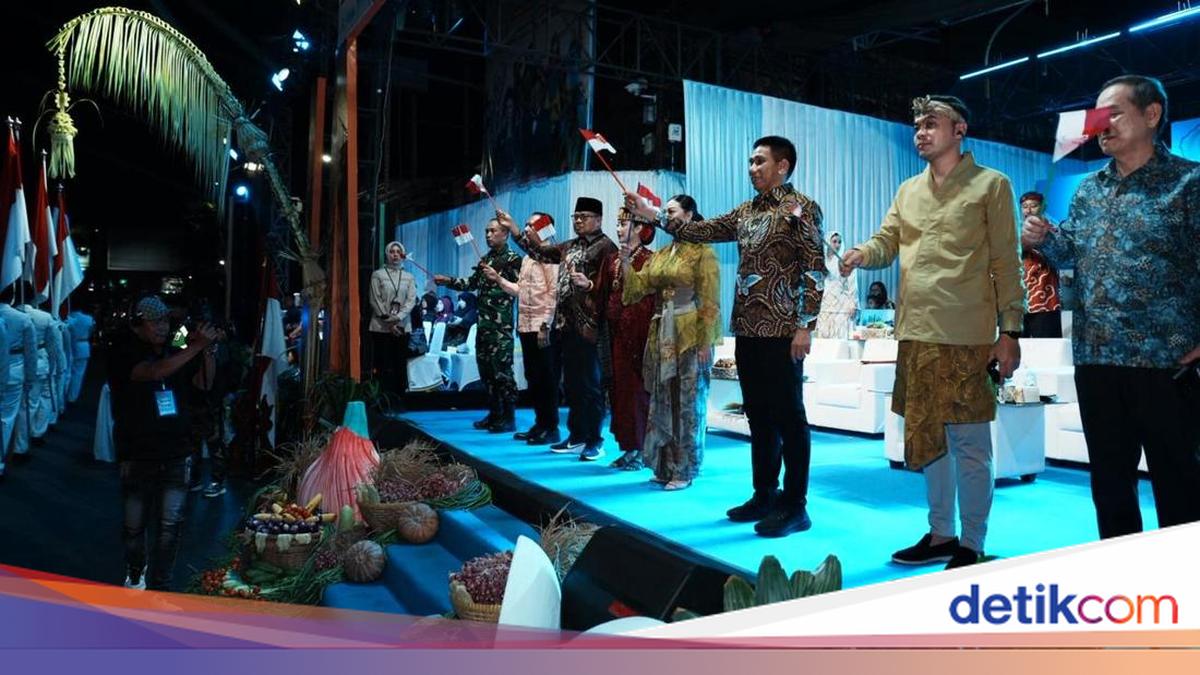
The Deputy Minister of Home Affairs, Akhmad Wiyagus, has urged the Brebes Regency Government to continuously strengthen the advancement of local culture. This strategic step is considered crucial as a supporting pillar for the pace of sustainable regional development.
Wiyagus stated that the wealth of ancestral heritage is not merely a distinguishing identity for a region. He views culture as having great potential to be developed into a driving force for the people’s economy.
“This theme is highly relevant because Indonesian culture grows from diversity brought together in harmony. Our constitution states that the state advances national culture amidst world civilisation and guarantees the freedom of society to maintain and develop their cultural values,” Wiyagus said in a written statement on Sunday (30/8/2026).
He delivered this message while officially opening the Brebes Culture Festival 2026 on Saturday (29/8). The event, themed ‘The Charm of the Archipelago in the Harmony of Brebes Culture’, was centred along Jalan Pangerment Diponegoro, Brebes Regency, Central Java.
The mandate for cultural advancement is further strengthened by the foundation of Law Number 5 of 2017. This regulation covers aspects of protection, development, utilisation, and the process of guidance. Integrating cultural affairs with development programmes is a necessity, as this sector falls under concurrent government authority.
Brebes Regency has proven to possess deeply rooted traditional arts within its community. Various art forms, ranging from wayang golek, kuda lumping, ronggeng, sintren, to burok, continue to be preserved. The region also holds pride through the Ngasa Tradition and salted eggs, which have achieved status as Indonesian Intangible Cultural Heritage.
The preservation of Nusantara’s wealth is certain to bring multi-layered positive impacts on a region’s progress. Wiyagus emphasised that efforts to advance culture contribute directly to increasing the welfare of local citizens.
“Advancing culture contributes directly to three macro indicators of regional development that serve as our shared benchmarks for success. These three indicators are economic growth, inflation control, and the improvement of the community’s quality of life,” said Wiyagus.
Local governments are encouraged to strengthen cultural databases to serve as references for planning and budgeting. The younger generation must also be given wider creative spaces to ensure they are willing to carry forward the baton of tradition. The use of digital technology is absolutely necessary, provided that the fundamental values of the nation’s heritage are upheld.
Active collaboration between communities, educational institutions, and policymakers is the key to success. Wiyagus assessed that the organisation of this cultural festival in Brebes is very much in line with the priority vision of Asta Cita.
“These eight priorities, when applied to the context of cultural advancement in Brebes, actually support each other in a very cohesive chain. Strengthening ideology and democracy serves as the foundation so that the freedom of cultural expression remains alive within the framework of unity,” he explained.
This series of cultural festivals is expected to be more than just an annual ceremonial event. The Regency Government is requested to seriously build a cultural ecosystem through the documentation of objects, the guidance of artists, and massive promotion. Such consistent steps are believed to be able to strengthen the pride of the local community in the richness of Nusantara’s traditions.
Source: jawawa.id (https://jawawa.id/newsitem/deputy-minister-of-home-affairs-urges-brebes-to-utilise-culture-as-a-pillar-of-development-1788090865)
Originally published by detikcom (https://news.detik.com/berita/d-8640813/wamendagri-wiyagus-minta-brebes-jadikan-budaya-pilar-pembangunan), translated from Indonesian