
Deputy Minister of Home Affairs Stresses Importance of Indonesia Capitalising on Demographic Bonus
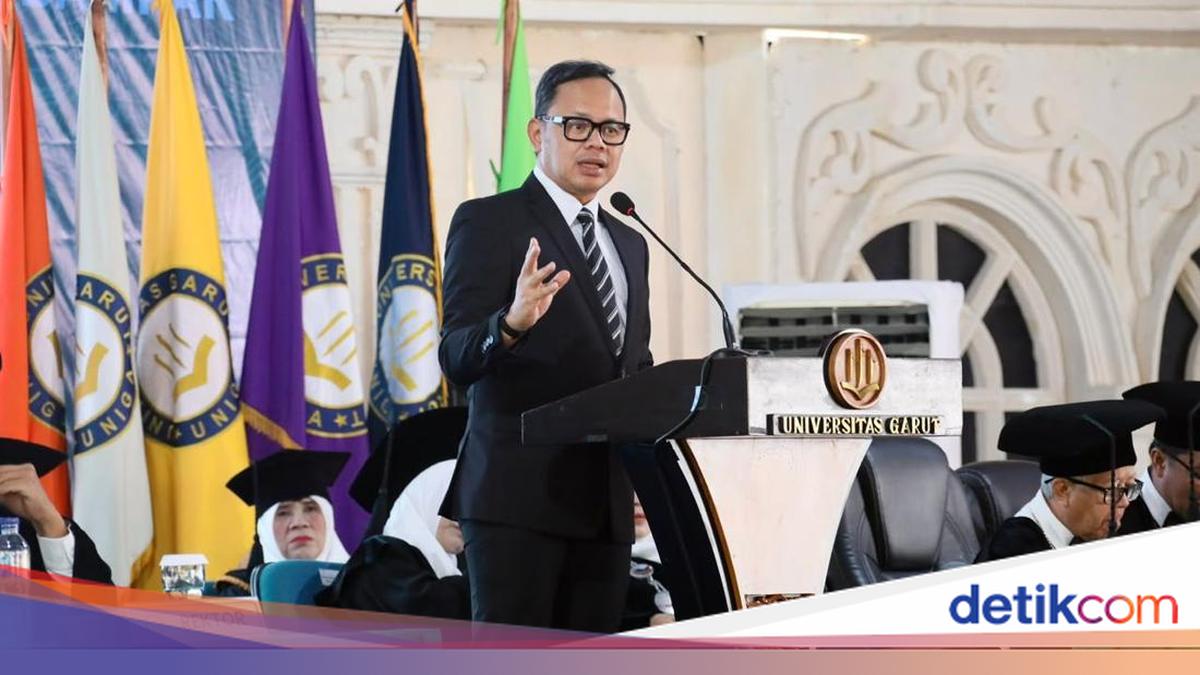
Deputy Minister of Home Affairs (Wamendagri) Bima Arya Sugiarto has reminded the nation that Indonesia only has one opportunity to capitalise on its demographic bonus. He stated that this window is the only way for the country to escape the middle-income trap and transition into a developed nation. This goal can only be achieved if the younger generation is prepared to become leaders with strong character, capable of adapting to technological advancements and addressing global challenges.
Speaking at the Open Senate Session of the University of Garut for the 44th Graduation Ceremony of the 2025/2026 Academic Year in West Java, Bima explained that Indonesia is currently dominated by a productive-age population, providing significant capital to accelerate development. However, he cautioned that the demographic bonus would not automatically lead to progress if the youth are not equipped with the necessary competencies and character to navigate changing times.
Bima noted that digital transformation and the rise of artificial intelligence (AI) have fundamentally altered the needs of the workforce and governance. Consequently, the younger generation must master future-oriented skills such as AI, big data, computer science, robotics, information systems, and data analysis. He cited the Ministry of Home Affairs’ use of AI to manage civil servant talent as an example of this digital shift, ensuring that employee placements are more accurate and competency-based.
Despite the emphasis on technological mastery, Bima asserted that character remains the dominant factor for success, estimating that 70 to 80 percent of achievement is determined by character. He stressed that technological skills cannot yield optimal results without integrity, discipline, honesty, adaptability, and a commitment to lifelong learning. He concluded that many successful individuals thrive not solely because of academic intelligence, but because of a strong character that allows them to face life’s challenges.
Bima called on graduates to become leaders who are open to differences, capable of collaboration, and able to maintain a balanced life while building extensive networks. He stated that future leaders are measured not only by personal capability but also by their ability to work with others and provide benefits to society. He also reminded the graduates to make good conduct the foundation of their knowledge, believing that strong character shapes mindset, influences actions, fosters positive habits, and ultimately determines one’s future. He expressed confidence that the innovation, leadership, and dedication of the graduates would be vital assets for advancing the Garut region and realising the vision of a Golden Indonesia 2045.