
Deputy Minister of Home Affairs Ribka Haluk Clarifies Misconceptions on OAP Data in Papua
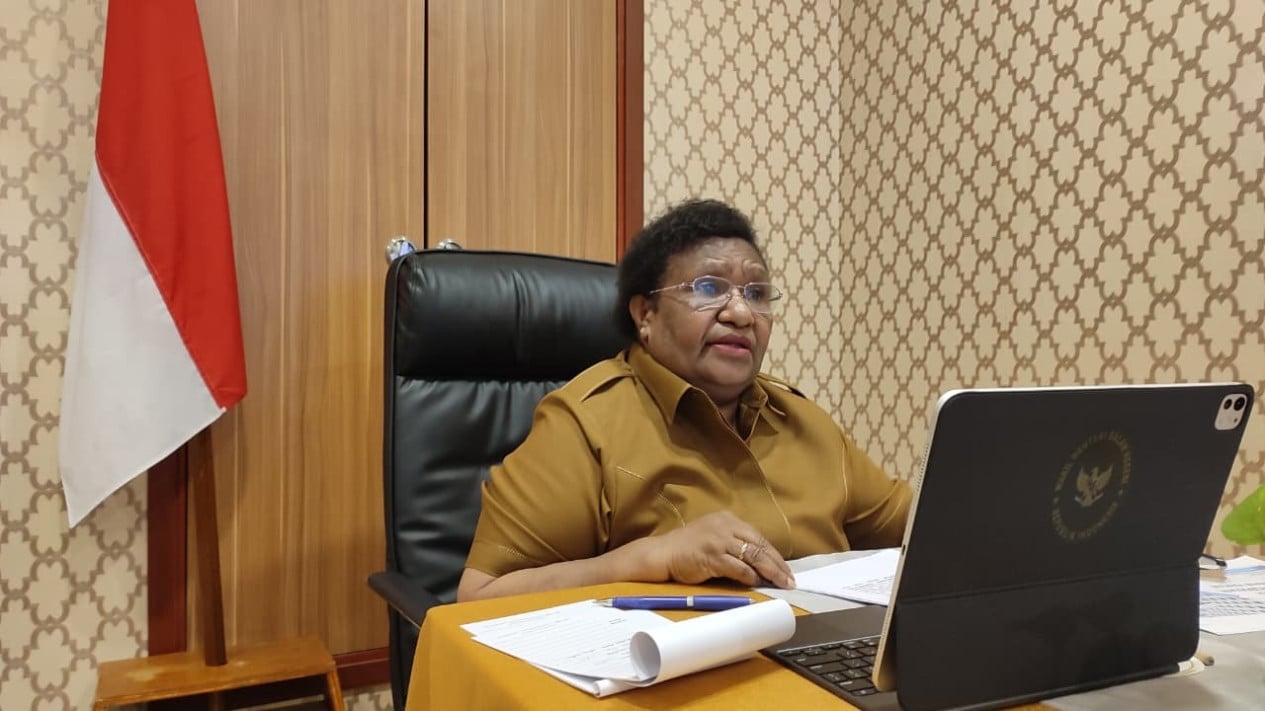
Deputy Minister of Home Affairs Ribka Haluk has clarified misconceptions circulating among the public regarding the data collection of Indigenous Papuans (OAP) across six provinces. She stressed that the current count of OAP recorded in the Civil Administration Information System (SIAK) cannot be used to conclude that OAP are a minority in Papua.
“Following our meeting concerning the Indigenous Papuan data collection initiative launched by the Papua Provincial Government and five other provinces in Papua, there are indeed netizens, commentators, and local analysts who have expressed the perception that Indigenous Papuans have become a minority,” Ribka said at the Ministry of Home Affairs (Kemendagri) headquarters in Jakarta on Tuesday, 26 May 2026.
Based on data from the Directorate General of Civil Registration and Population (Dukcapil) under the Ministry of Home Affairs, Ribka stated that 2,296,846 Indigenous Papuans have completed electronic ID card registration and are recorded in SIAK. Meanwhile, the total population of Papua according to the Dynamic Consolidated Clean Data (DKB) stands at 5,832,120.
According to Ribka, the figures remain dynamic and subject to change as many Indigenous Papuans have yet to complete civil registration, particularly in remote inland, mountainous, and isolated areas, as well as those living abroad.
“This requires proactive outreach in civil registration to ensure all Indigenous Papuan data is recorded. It’s not accurate to consider the two million figure as a minority, as many Indigenous Papuans in remote mountains, rivers, and other locations remain unregistered,” she added.
Ribka explained that the main challenge in OAP data collection is the uneven distribution of civil registration activities across regions, especially in mountainous and frontier, outermost, and disadvantaged (3T) areas.
Beyond geographical factors, she highlighted persistent misconceptions among the public regarding electronic ID card registration, with some residents still believing misinformation that deters them from registering.