
Deputy Minister of Environment Calls for Accelerated Waste Management Improvements at Trans-Java Toll Rest Areas
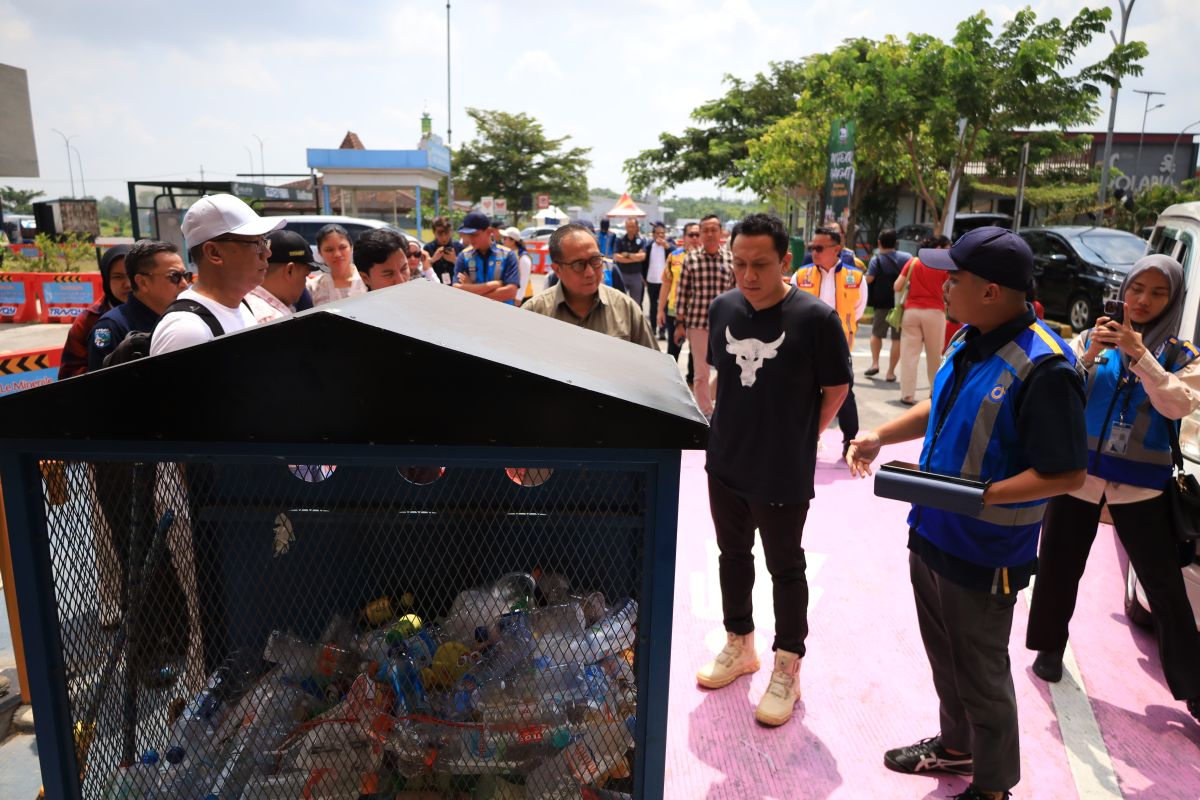
Jakarta — The Deputy Minister of Environment (Wamen LH), Diaz Hendropriyono, has called on the management of rest areas along the Trans-Java Toll to accelerate improvements in waste management in anticipation of the increased travel during the Idul Fitri exodus and return journey.
In a statement confirmed from Jakarta on Monday, Diaz, as Deputy Head of the Environmental Control Agency (BPLH), conducted an inspection to assess the progress of government enforcement sanctions at several rest area locations on the Trans-Java Toll to anticipate waste accumulation caused by the surge in travellers.
The Ministry of Environment (KLH) imposed enforcement sanctions on several rest areas following previous inspections during the Christmas and New Year holidays. These sanctions were issued to rest areas that had not yet implemented waste management practices in accordance with KLH/BPLH standards.
Deputy Minister Diaz inspected several rest areas on the Trans-Java Toll, including Rest Area KM 487 A in Boyolali District, Rest Area KM 519 A in Sragen District, Rest Area KM 725 A in Gresik District, and Rest Area KM 754 A in Sidoarjo District on Sunday (15 March).
Beyond the inspection of sanctions, Deputy Minister Diaz emphasised the importance of waste segregation in rest area waste management, particularly for organic waste, which is considered more abundant in locations such as rest areas.
“We cannot allow waste to be mixed together. If there are many restaurants, there will certainly be more organic waste, so waste segregation must be implemented,” he said.
To strengthen waste management, Deputy Minister Diaz encouraged travellers at the locations to participate in waste segregation by utilising the separate waste bins already provided by the rest area operators.
As a form of support for travellers to continue maintaining cleanliness and reducing waste at rest areas, he also distributed lunch boxes and tumblers so that travellers can avoid using single-use plastics.