
Deputy Minister of Energy and Mineral Resources states coal transport hindered by receding rivers in East Kalimantan
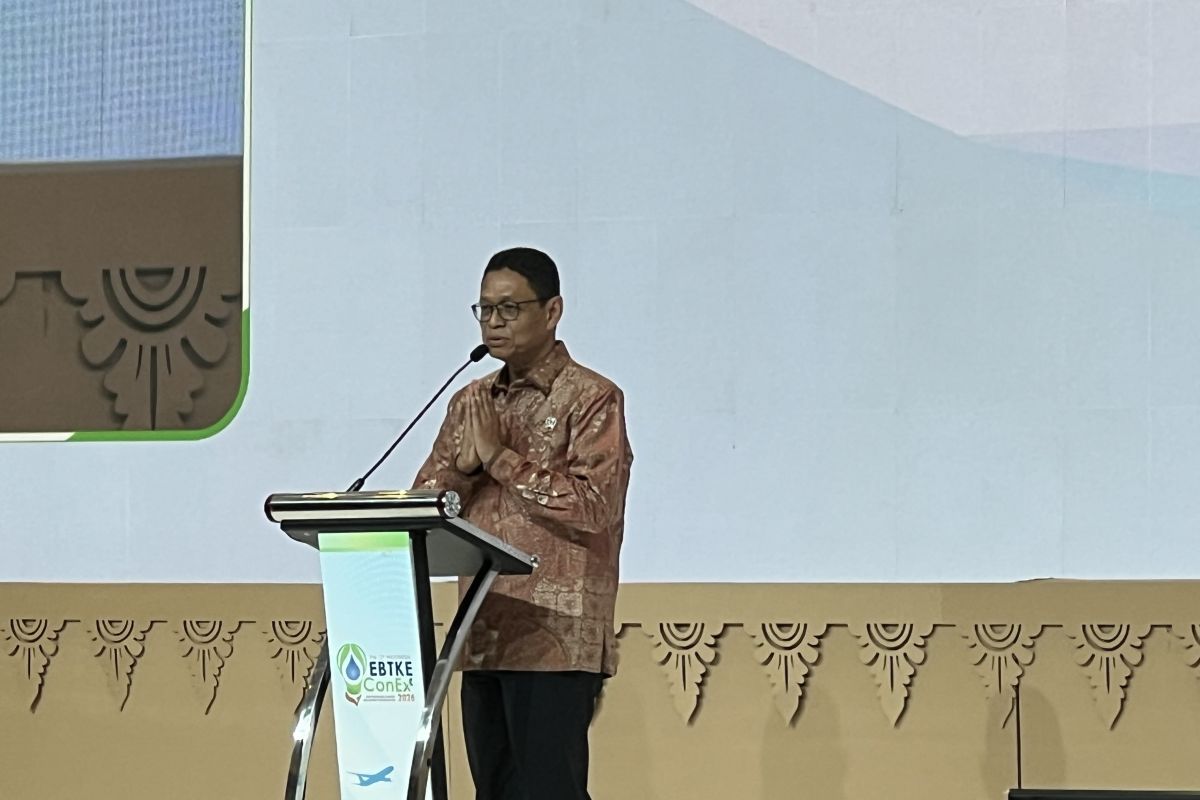
The Deputy Minister of Energy and Mineral Resources (ESDM), Yuliot, stated that coal transportation in East Kalimantan is being hindered by the decrease in river water levels or receding rivers.
“I checked this yesterday in East Kalimantan. Indeed, because the rivers are drying up, the barges cannot move,” Yuliot said when met after The 12th IndoEBTKE ConEx 2026 held in Jakarta on Wednesday.
Consequently, Yuliot emphasised that the barge delays are caused by drought rather than policies regarding coal production quotas.
“It is not because production is being limited, but because there is no water to float the barges,” Yuliot added.
The drying of rivers in Kalimantan is not only affecting coal transport mobility. The Ministry of Energy and Mineral Resources has also identified shortages of fuel (BBM) occurring in Kalimantan caused by receding rivers, which poses a challenge for energy distribution vessels.
“This is happening frequently in Kalimantan. Currently, the rivers are experiencing low water levels, so ships that usually deliver via river routes are facing obstacles in the fuel delivery process,” said the Director General of Oil and Gas at the Ministry of ESDM, Laode Sulaeman, during a Hearing Meeting (RDP) with Commission XII of the Indonesian Parliament on Wednesday.
Laode noted that the issue has been mitigated by increasing the number of fuel delivery trucks using land routes. However, the transport volume of these trucks is not as large as that of river-based transport.
The Mayor of Samarinda, East Kalimantan, Andi Harun, has requested that the public conserve clean water usage following the depletion of the Mahakam River’s water levels and the increase in chloride levels due to the prolonged dry season.
Speaking in Samarinda on Saturday, Andi Harun emphasised that the shrinking of the Mahakam River is also affecting the operations of several clean water intake facilities in the Palaran, Pulau Atas, Bukuan, and Bantuas areas.
In addition to the decrease in water discharge, the rise in chloride levels has become a crucial factor as it directly relates to the quality and suitability of the water distributed to the community.