
Deputy Minister of Creative Economy Encourages Jamu to Become a Symbol of Indonesian Culture and Creativity
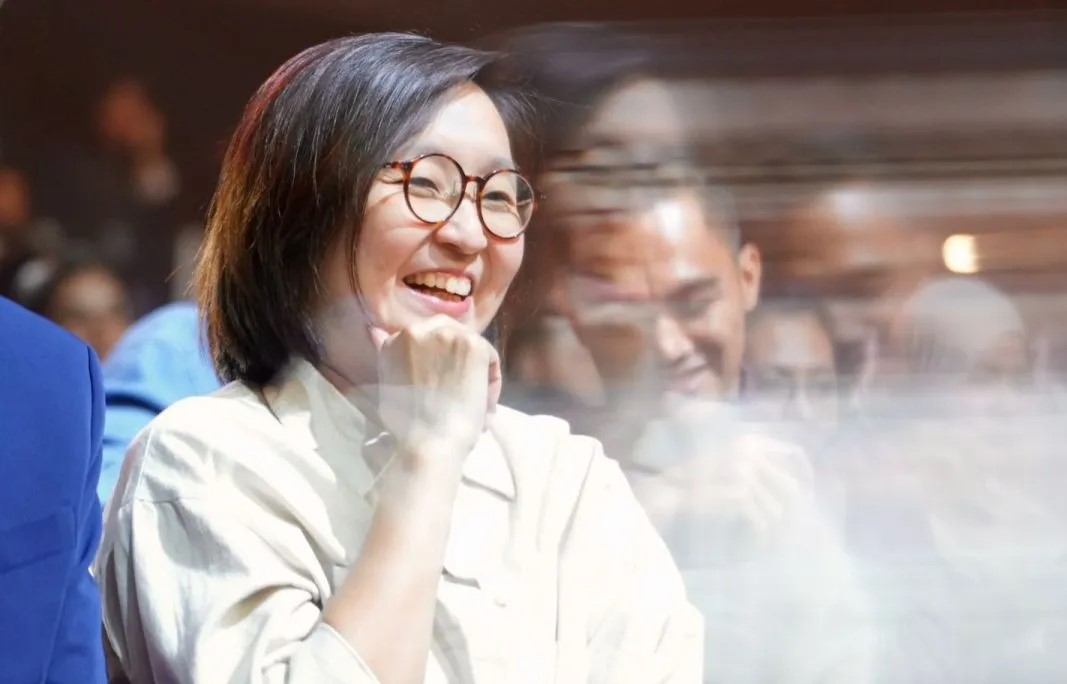
The Indonesian Jamu Association (JAMI) holds a significant position within Indonesia’s creative economy ecosystem, serving not only as a traditional health product but also as a vital part of the nation’s cultural identity. This was stated by the Deputy Minister of Creative Economy/Deputy Head of the Creative Economy Agency (Ekraf), Irene Umar, during the Acaraki Jamu Festival 2026. According to her, the primary strength of Jamu lies in its deep cultural roots, passed down through generations of Indonesian society.
“Indonesia has a long history of hospitality inherited from our ancestors. The word ‘menjamu’ itself means ‘we serve the people.’ Therefore, Jamu is deeply identical to Indonesia,” said Irene when met in the Senayan area, Jakarta, on Sunday (7/6).
She emphasised that culture must serve as the fundamental foundation before a creative product is developed. In her view, cultural identity combined with creativity produces products with strong value and character. “Culture first, identity first, plus creativity, and only then does it become a product. It is not product first, then culture,” she remarked.
Irene also noted that creative festivals, such as the Acaraki Jamu Festival, are crucial for maintaining the connection between Indonesian culture and the younger generation. She observed that changing lifestyles mean today’s youth are increasingly less exposed to traditional culture, including the presence of itinerant Jamu vendors.
Consequently, she expressed her appreciation for creative economy actors who continue to introduce culture-based innovations to remain relevant to modern times without losing their original identity. “There are many creative economy warriors using our culture and adding creativity so that our cultural identity is not only preserved but also remains relevant for children,” Irene said.
She further noted that culture cannot be forced to be loved; rather, it must be presented through close and enjoyable experiences so it can be felt and naturally passed on to the next generation. “Identity is something that is felt, experienced, and shared,”