
Deputy Minister of Communication and Digital says digital transformation must produce real solutions
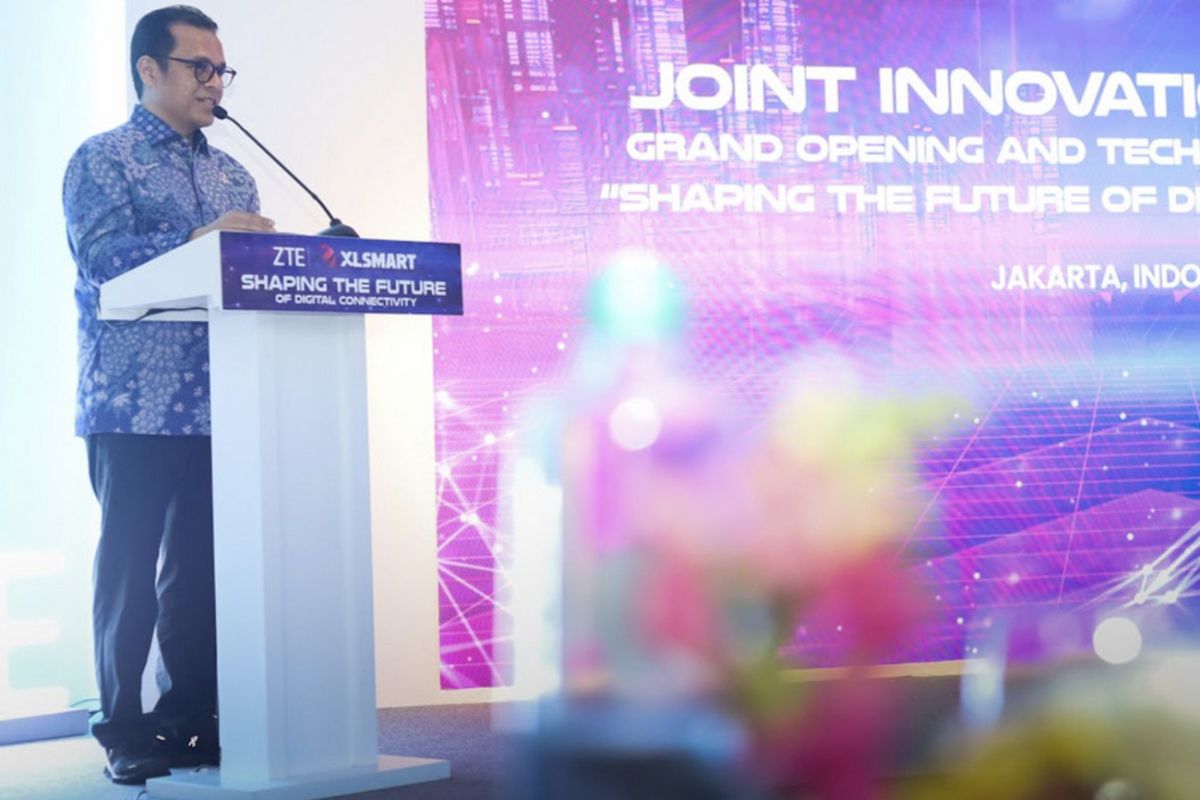
Jakarta (ANTARA) - Deputy Minister of Communication and Digital (Wamenkomdigi) Nezar Patria stressed that Indonesia cannot merely expand its infrastructure but requires a digital transformation that produces real solutions for the public. According to him, the direction of Indonesia’s digital transformation must move from simply building connectivity towards utilising technology that provides direct impact. “Indonesia has achieved commendable progress in expanding the coverage of its digital infrastructure. Our country has witnessed a significant increase in internet usage, reaching 80 per cent of the population in 2025, up from 54 per cent in 2020,” he said during the inauguration of the ZTE-XLSMART Joint Innovation Centre in South Jakarta on Thursday. Nezar exemplified that only half of Indonesia’s villages are equipped with fibre optic distribution points and only a small number of schools in remote areas benefit from high-speed internet connections. According to him, this situation demands faster and more targeted steps. “This disparity underscores the importance of a strategic leap in digital connectivity,” he asserted. He explained that the innovation centre serves as an important space for developing technology suited to Indonesia’s needs. “This innovation centre will function as a hub for new ideas. A laboratory where cutting-edge technologies such as AI, 5G, and other advanced digital solutions will be explored, developed, and adapted to Indonesia’s unique needs,” he said. “While technological progress is important, our true measure of success lies in our ability to utilise these innovations to improve the lives of our people,” he emphasised. He exemplified various solutions that can be produced to address national needs. Nezar stressed that cross-sector collaboration is key to ensuring technology truly benefits the entire society. “I am confident that this innovation centre will not only accelerate technological progress but also inspire further collaboration within the digital ecosystem, from government, industry players, academics, and the wider community,” he concluded.