
Deputy Minister of Basic and Secondary Education: Educational Transformation Requires Multi-Stakeholder Collaboration
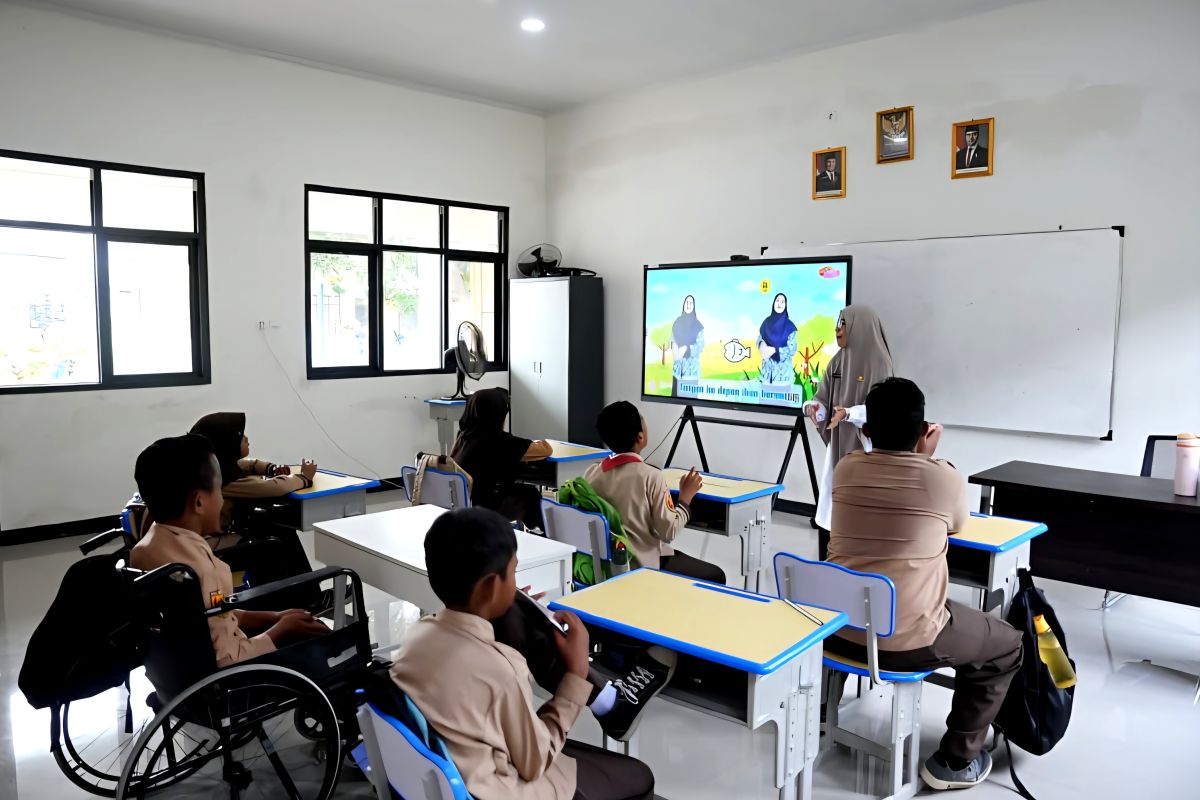
Jakarta (ANTARA) - Deputy Minister of Basic and Secondary Education (Wamendikdasmen) Fajar Riza Ul Haq has emphasised that educational transformation requires multi-stakeholder collaboration, including school principals, teachers, families, and learning communities. According to him, educational transformation must focus on improving the quality of the learning process to strengthen students’ basic competencies, particularly in literacy, numeracy, and thinking skills. “Educational transformation needs to be supported by a comprehensive understanding of students’ learning outcomes, so that the improvement steps taken are truly on target,” stated Wamendikdasmen Fajar in a written statement in Jakarta on Wednesday. He explained that strengthening learning assessments is an important part of educational transformation because it provides a real picture of students’ abilities. This data, he said, serves as the basis for designing sustainable education quality improvement strategies. Fajar also emphasised that the success of educational transformation is largely determined by the leadership of school principals as instructional leaders and guardians of educational quality in educational units. According to him, school principals need to prioritise coaching functions for teachers, encourage continuous professional development, and ensure the creation of a safe, comfortable, and conducive learning environment for students. In addition, Fajar encouraged strengthening collaborative culture through learning communities, including through professional organisations such as AKSI. He hopes that the organisation will become a platform for sharing best practices and strengthening school principals’ leadership capacity. Fajar also emphasised that educational transformation cannot run independently in the school environment but requires support from families and society as part of a complete educational ecosystem.