
Deputy Minister of Agriculture asserts single-door palm oil export via DSI aims to secure state rights
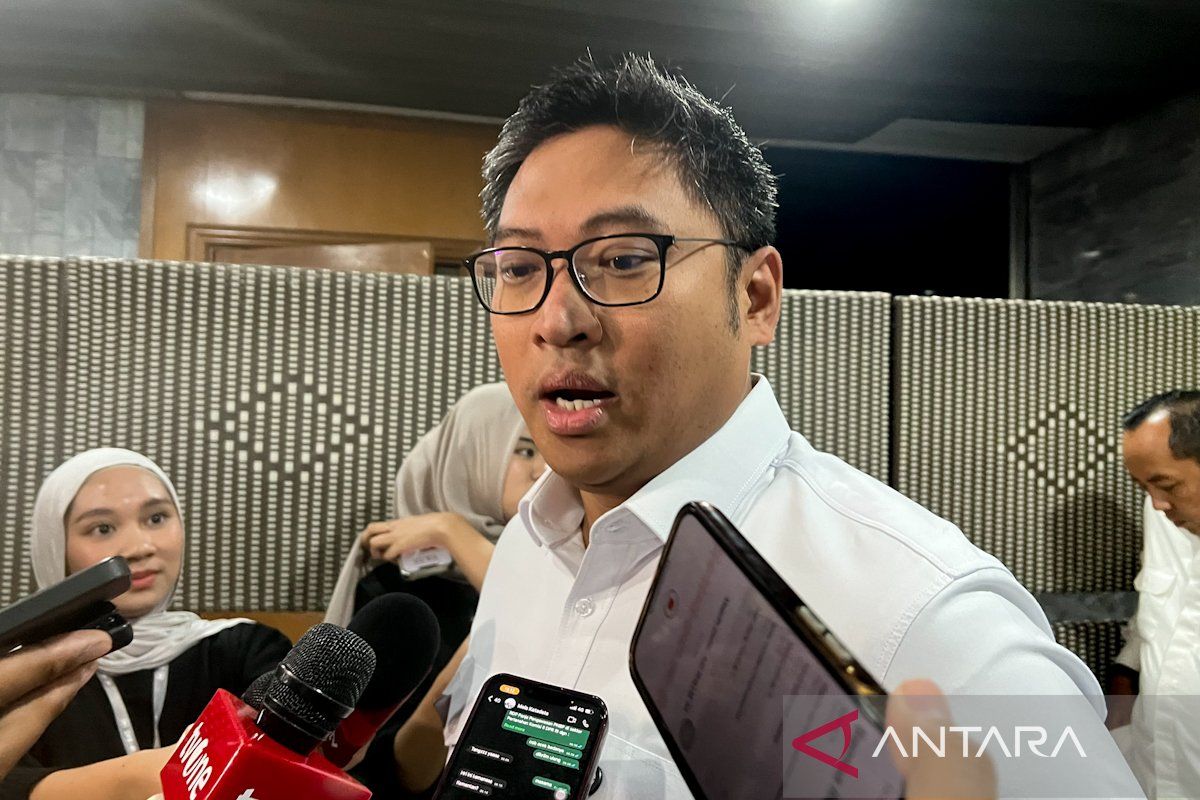
Jakarta (ANTARA) - Deputy Minister of Agriculture Sudaryono has asserted that the implementation of crude palm oil (CPO) exports through a single-door scheme via PT Danantara Sumberdaya Indonesia (DSI) aims to secure the state’s rights. Sudaryono stated that the policy is not intended to generate profit through DSI, but rather to strengthen oversight of the export governance of national strategic commodities.
“It is important to note that the government’s goal is not to seek profit through DSI. Instead, the government’s objective is to secure the state’s rights,” Sudaryono said in Jakarta on Friday. He added that the government wants to ensure that all obligations the state must receive from palm oil export activities are fulfilled optimally and transparently.
Sudaryono assessed that business actors who conduct export activities in accordance with regulations should have no objection to the implementation of this scheme. According to him, the government’s primary focus is to prevent various practices that have the potential to reduce state revenue from the palm oil export sector. These practices include the manipulation of export data, which can affect the amount of taxes and other obligations payable to the state.
He explained that there are indications that some parties are reporting export volumes that do not match actual conditions, potentially reducing state revenue. Furthermore, the government is highlighting the practice of under-invoicing, or reporting transaction values below the actual price in commodity export activities.
Sudaryton mentioned that transfer pricing is also a concern, as it allows transactions to be conducted with overseas affiliates at lower prices. Such conditions can reduce tax obligations and various levies that the state should receive from palm oil export activities.
“What rights? The rights to levies, taxes, and royalties, because export quantities are manipulated, or amounts are reduced through under-invoicing or transfer pricing,” he explained. “This involves sending goods to one’s own overseas company at a reduced price to lower tax deductions or tax obligations. This essentially harms us,” he added.
Consequently, the government is striving to introduce a more transparent mechanism to ensure the entire export process can be effectively monitored and supervised. According to Sudaryono, DSI is expected to function as a supervisory tool that enables the government to obtain more accurate and integrated export data. He described the role of DSI as a transparent channel for managing and overseeing export activities, thereby minimising the potential for leakage in state revenue.
The government assesses that the potential loss of state income from the palm oil export sector is significant if non-compliant reporting practices continue. On the other hand, the Ministry of Agriculture remains focused on managing the upstream sector, including various policies related to the production and pricing of fresh fruit bunches (FFB).
Sudaryono added that the smooth running of the downstream sector is crucial as it directly impacts the upstream level, including the prices received by palm oil farmers. He emphasised that the government will continue to improve the governance of the palm oil sector comprehensively to ensure the business chain operates more fairly and transparently, providing optimal benefits for both the state and businesses that comply with the regulations.
Source: jawawa.id (https://jawawa.id/newsitem/deputy-minister-of-agriculture-asserts-single-door-palm-oil-export-via-dsi-aims-to-secure-state-rights-1780815198)
Originally published by Antara (Indonesian) (https://www.antaranews.com/berita/5595784/wamentan-tegaskan-ekspor-sawit-satu-pintu-dsi-demi-amankan-hak-negara), translated from Indonesian