
Deputy Minister: Human Rights Law revision to regulate digital rights protection
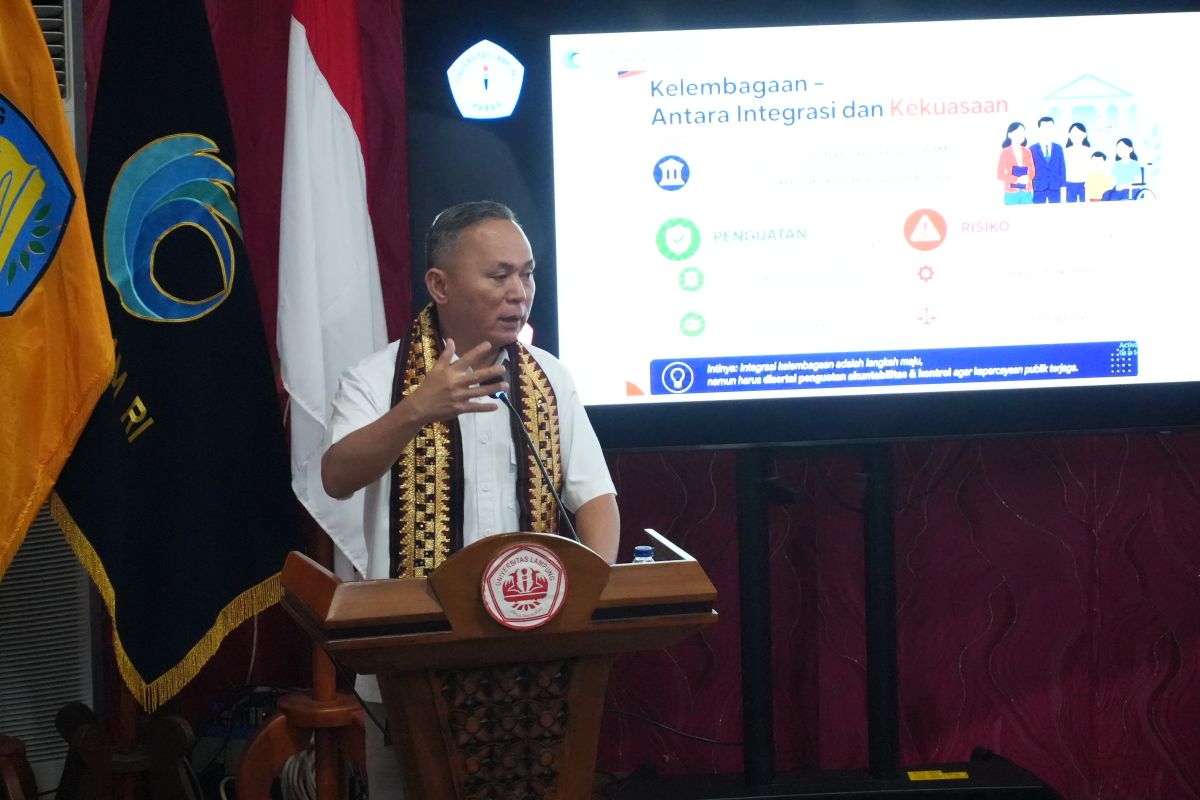
Deputy Minister of Human Rights Mugiyanto has stated that the revision of Law Number 39 of 1999 on Human Rights will strengthen the protection of citizens’ rights in the digital space as a response to technological developments not yet accommodated in current regulations. According to Mugiyanto, the existing Human Rights Law is 27 years old and needs to be adapted to various new challenges, including the emergence of digital rights and public activities in cyberspace. “This 27-year-old Human Rights Law cannot yet accommodate the real developments related to the digital world. This law was passed in 1999, when not everyone had a mobile phone,” Mugiyanto said in a statement in Jakarta on Tuesday. During a public consultation on the Human Rights Law revision at the University of Lampung on Monday (29/6), Mugiyanto said that to date, there is no human rights legal instrument that specifically regulates the protection of individuals in the digital space. Yet, the development of information technology and social media has given rise to various new issues related to human rights, including cases involving students and the public due to their activities in cyberspace. “So, we want to ensure the protection of citizens in the digital space, therefore we need to regulate it there,” he said. In addition to regulating digital rights protection, the revision of the Human Rights Law will also include new norms regarding the right to a clean and healthy environment as part of human rights. The government is also seeking to strengthen national human rights institutions to be more relevant in facing social, technological, and future human rights challenges. Mugiyanto explained that the drafting of the Human Rights Law revision is being carried out through a series of public consultations in various regions to gather input from academics, students, civil society organisations, and non-governmental organisations. He said this step is taken to ensure meaningful public participation in the regulation-making process. “We will collect all these voices and later explain them to the public. So, we are making the process transparent, and this revision is targeted to proceed to the National Legislation Programme stage so it can be passed this year,” he said. He expressed hope that the revision of the Human Rights Law would produce a legal foundation that is more adaptive to technological developments while strengthening human rights protection across various sectors of public life.