
Deputy Minister Highlights Hajj Cartel Practices, Pushes for Transparent Governance Reform
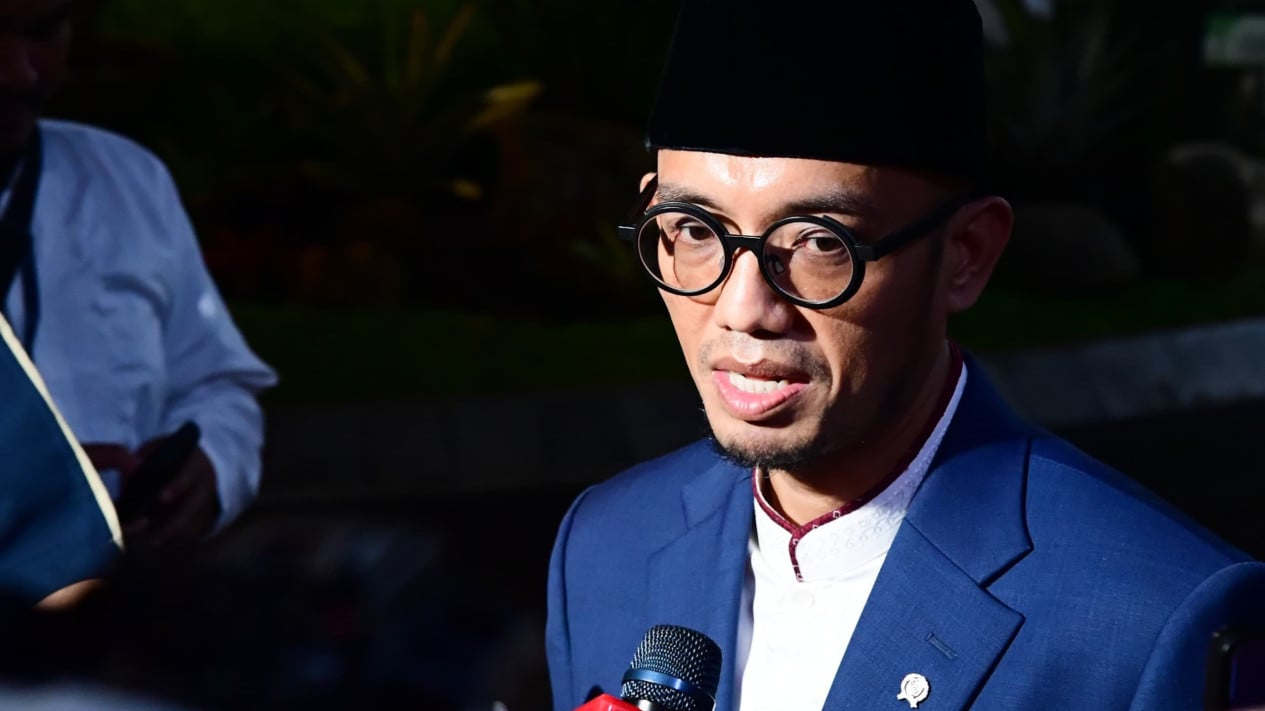
The Deputy Minister of Hajj and Umrah, Dahnil Anzar Simanjuntak, has highlighted the prevalence of hajj cartel practices, which are deemed capable of worsening the administration of the Hajj in Indonesia.
According to him, a transparent ecosystem is necessary to improve the administration of the Hajj pilgrimage in the future and to prevent such cartel practices from continuing.
“I have mentioned several times the existence of hajj cartel practices. Some people might feel that the term is too harsh,” said Dahnil, as reported on Friday, 12 June 2026.
Dahnil used the term ‘hajj cartel’ because within the pilgrimage ecosystem, practices are growing that treat pilgrims not as subjects of service, but as economic objects. In some cases, these practices have even turned the pilgrimage into a commodity.
The term ‘hajj cartel’ describes the reality that, for a long time, certain groups have been profiting from non-transparent governance, undisclosed information, and the deliberate maintenance of pilgrim dependency.
What makes the issue increasingly complex, Dahnil noted, is that some of the perpetrators actually come from religious circles. To eradicate this, the government needs to reform the administration of the Hajj to ensure better outcomes moving forward.
“I always say that Hajj reform is not just about discussing hotel accommodation, transport, catering, or tents. The most important reform is cleaning up Hajj governance from rent-seeking practices that turn pilgrims into objects of profit and commodities,” said Dahnil.
He believes the government requires a transparent ecosystem to improve the pilgrimage administration year after year. A system is needed that ensures every transaction can be traced.
“We need governance that leaves no ‘dark space’ for trading upon the pilgrims’ lack of knowledge,” he said.
There is also a need for religious guides who truly guide rather than exploit. Furthermore, it is necessary to foster institutions that thrive on service rather than on the dependency of pilgrims.
He noted that the majority of religious guides, scholars, and Hajj and Umrah guidance groups (KBIHU) in Indonesia work with sincerity. Dahnil admitted to witnessing these guides working with full commitment to provide the best service to pilgrims.
Source: jawawa.id (https://jawawa.id/newsitem/deputy-minister-highlights-hajj-cartel-practices-pushes-for-transparent-governance-reform-1781257969)
Originally published by VIVA.co.id (https://www.viva.co.id/berita/nasional/1905525-wamenhaj-soroti-praktik-kartel-haji-dorong-perbaikan-tata-kelola-yang-transparan), translated from Indonesian