
Deputy Minister for National Development Planning Reaffirms Commitment to Accelerating Papua's Development
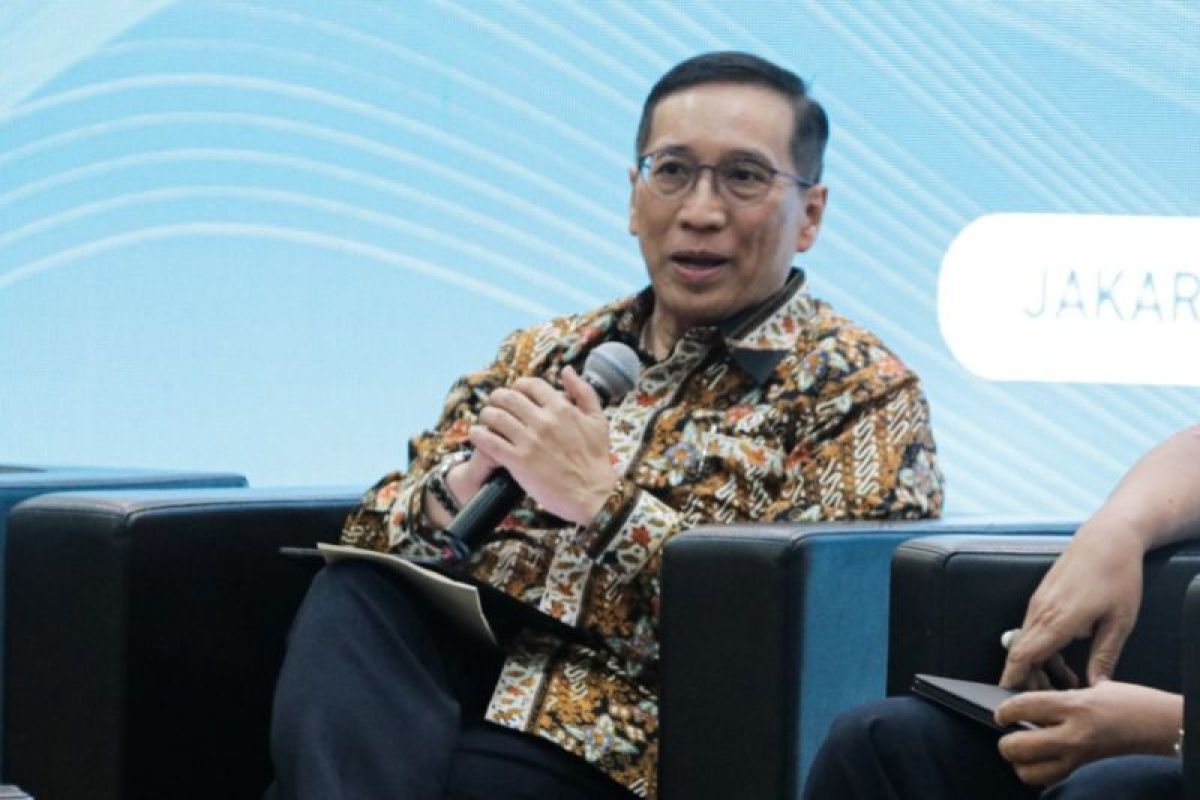
Deputy Minister for National Development Planning (Wamen PPN) and Deputy Head of the National Development Planning Agency (Waka Bappenas) Febrian Alphyanto Ruddyard has reaffirmed the commitment to accelerating development in Papua. “I want to reaffirm Bappenas’ commitment, which is to provide more intensive assistance to all local governments in Tanah Papua,” Febrian said during a Strategic Dialogue between the Deputy Minister and governors, regents, and mayors across Tanah Papua, monitored online from Jakarta on Thursday. Through this more intensive assistance, Febrian expressed confidence that programmes and activities in Tanah Papua will become increasingly aligned with the Accelerated Development Action Plan for Papua (RAPPP), the National Medium-Term Development Plan (RPJMN), and national development priorities. In addition to providing more intensive assistance, Febrian also announced the formation and optimisation of an assistance team that will collaborate with local governments. “Not to take over regional authority, but to become a partner that helps untangle various implementation obstacles,” Febrian stated. He added that local governments, together with the assistance team, can thereby accelerate problem-solving, strengthen planning quality, and ensure that funding opportunities and support are utilised optimally. Febrian also conveyed that accountable governance of the RAPPP implementation will continue to be strengthened. “We all understand that every rupiah of development funds, including special autonomy funds, is a public trust that must be accounted for. Therefore, its implementation must naturally align with applicable regulations,” he said. Febrian noted that Tanah Papua is one of Indonesia’s greatest blessings, possessing immensely rich natural resources, a noble culture, and a community with extraordinary spirit and resilience. Nevertheless, he acknowledged that Papua still faces significant development challenges, such as patients having to travel long distances for healthcare, children not receiving a proper education, and villages lacking adequate basic infrastructure. Febrian therefore stressed that Papua’s development must not be viewed merely as completing projects, drafting budgets, or fulfilling indicators. “Development is about bringing hope, about ensuring every Papuan child has the same opportunity to dream and realise their future,” Febrian concluded.