
Deputy Minister: Competency improvement key to facing future world of work
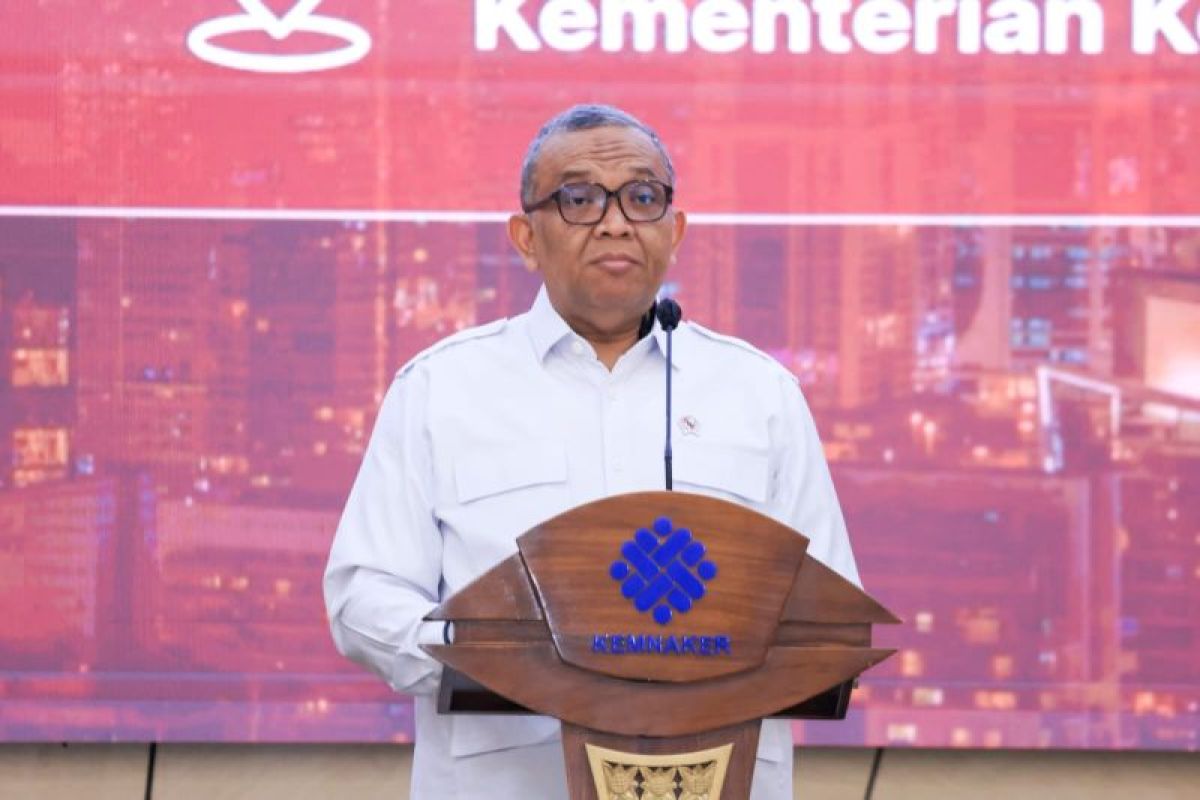
Jakarta (ANTARA) - Deputy Minister of Manpower (Wamenaker) Afriansyah Noor has stressed that improving competency is key for Indonesian workers to face the increasingly rapid transformation of the world of work. He stated that this transformation is a result of the fast pace of digitalisation, automation, artificial intelligence (AI), demographic changes, and the transition towards a green economy. The Deputy Minister noted that the transformation of the world of work has altered competency requirements while simultaneously creating various new types of jobs. This situation demands policies that can bridge the gap between workforce competencies and the evolving needs of industry. “In this context, active labour market policies play a very vital role. These policies must be able to serve as a bridge to align the mismatch between labour supply and the dynamic needs of industry,” Afriansyah said. As a concrete step to address these challenges, the Deputy Minister outlined five priorities that need to be accelerated together: strengthening reskilling and upskilling programmes based on industry needs, realising an inclusive labour market, and enhancing social dialogue and multi-party collaboration. Additionally, he cited the need to modernise employment services through career guidance and the digitalisation of labour market information, as well as strengthening various labour market programmes that support job seekers and entrepreneurship. Through these measures, the Ministry of Manpower (Kemnaker) is working to ensure that Indonesian workers possess competencies aligned with industry requirements. “In this way, the workforce will be better prepared to face the dynamics of the world of work while also being able to seize the opportunities arising from this transformation,” he said. To reinforce these efforts, Afriansyah stated that Kemnaker is also continuously expanding collaboration networks at bilateral, regional, and multilateral levels to enhance the competitiveness of Indonesian workers. As the focal point for the ASEAN Labour Ministers Meeting (ALMM), he noted that Indonesia plays an active role in coordinating regional labour cooperation and overseeing the creation of various strategic documents, including the ASEAN Declaration on Promoting Competitiveness, Resilience and Agility of Workers for the Future of Work and the ASEAN Labour Ministers’ Statement on the Future of Work. In line with these efforts, he believes that policies and collaboration must be supported by leadership capable of addressing the ever-changing challenges of the world of work. “Regulations on paper will never be sufficient without transformative leadership. The future of work demands leaders who are not only technologically savvy but also possess empathy, agility, and a vision that can inspire change within their organisations,” he said.