
Deputy Minister: AI is a mandatory skill for facing digital-era work dynamics
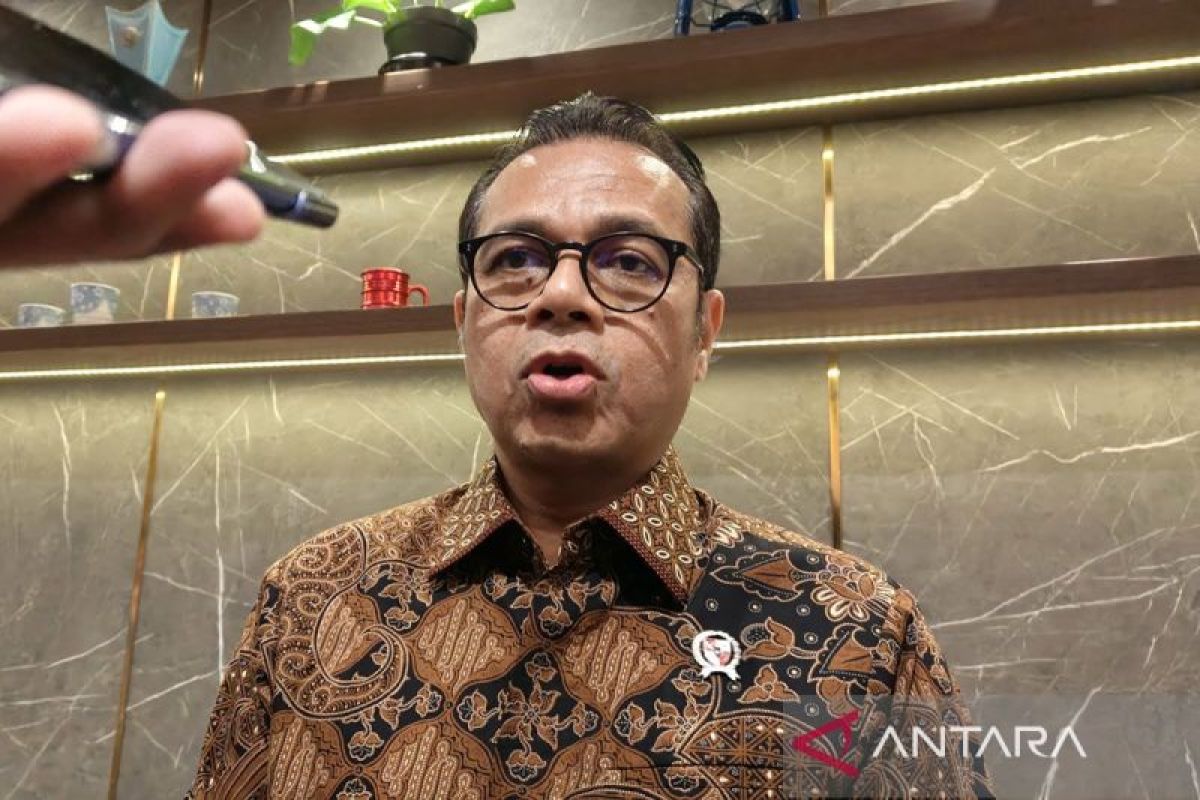
Jakarta (ANTARA) - Deputy Minister of Communication and Digital Affairs (Wamenkomdigi) Nezar Patria said workers in Indonesia must be equipped with an understanding of artificial intelligence (AI) technology related to their jobs in facing the changing dynamics of work in the current digital era.
Moreover, the technology is developing into generative AI, which has the potential to change the dynamics and working methods of a company when the technology is fully implemented.
“This dilemma is real, because the rapid advancement of generative AI has changed the way we work, make decisions, and serve the public,” Nezar said in a statement received and confirmed on Saturday.
The impact of AI adoption is also no longer limited to employment, but can affect state revenue and fiscal structures.
“For the Indonesian government, these findings are not merely an academic topic,” he said.
Policy has been directed from the outset by strengthening the government’s capacity to understand, manage, and utilise technology for national interests.
This approach is important so that AI transformation can be managed before it causes broader impacts on the workforce and the economy.
Civil servants involved in formulating policies on employment, taxation, the digital economy, and digital governance need to understand how AI works, the impacts it causes, and its potential risks.
“Upskilling and reskilling are no longer an option,” he said.
Deputy Minister Nezar expressed hope that strengthening government competence can be oriented towards long-term readiness, including through AI literacy, policy analysis capabilities, and data-based decision-making.
Beyond workforce competence, Nezar said that for the government, readiness to face AI implementation needs to be supported by strong governance and cross-sector coordination.
The government must be able to formulate policies based on an understanding of the technology so as not to fall into excessive or counterproductive responses.
“The government must act as a knowledgeable regulator, not a reactive one,” Nezar concluded.