
Deputy Manpower Minister Urges Campus Competency Certification Towards Indonesia Kompeten 2045
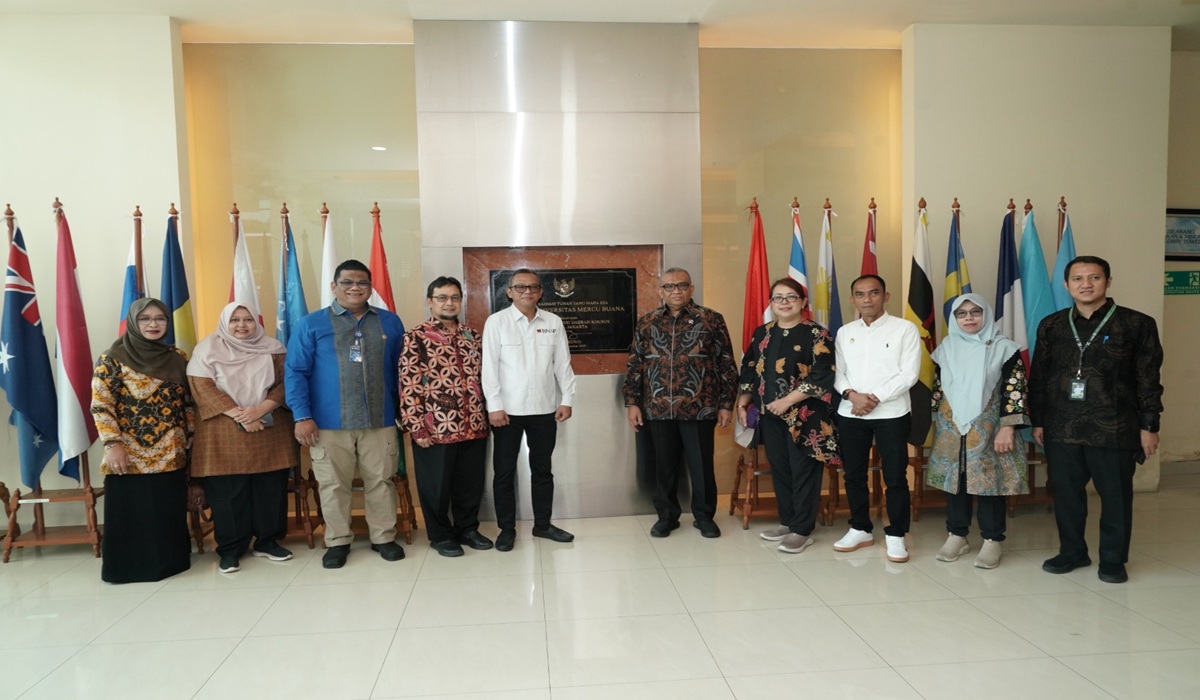
Deputy Minister of Manpower of the Republic of Indonesia, Afriansyah Noor, asserted that higher education institutions hold a crucial role in creating superior human resources through the strengthening of the competency certification system. This is part of the transformation of higher education to welcome the vision of Indonesia Kompeten 2045. The statement was delivered by Afriansyah while serving as the keynote speaker at the 2026 Mercu Buana Competency Network National Seminar titled ‘Accelerating Higher Education Transformation Through Competency Certification Towards Indonesia Kompeten 2045’. The event took place in the Tower Auditorium, 7th Floor, Mercu Buana University Campus, on Monday (8/6/2026). In his presentation, Afriansyah highlighted the increasingly competitive dynamics of the world of work. According to him, an academic diploma alone is no longer sufficient to guarantee the absorption of graduates into industry. ‘A diploma shows that someone has completed an education, but competency certification proves that they are capable of carrying out work according to professional standards objectively,’ he stressed. The Deputy Manpower Minister added that campuses must transform from merely producing graduates into producers of a workforce ready to work and become entrepreneurs at a global level. The existence of First-Party Professional Certification Bodies within the campus environment is considered a strategic bridge to synchronise educational curricula with the real needs of the job market. Mercu Buana University itself has implemented this commitment through its First-Party Professional Certification Body. The Rector of Mercu Buana University, Andi Adriansyah, officially opened the agenda, which was attended by university leadership and key figures in the field of certification and higher education. The Chairman of the Mercu Buana University Professional Certification Body and Chairman of the 2026 MBCN Committee, Haekal Fajri Amrullah, explained that this forum was not merely a seminar but also included training on curriculum integration based on the National Professional Certification Board. In addition, a sharing session was held regarding the role of certification as a quality indicator in higher education accreditation forms. Through synergy between the government, academics, and certification bodies, it is hoped that the higher education ecosystem in Indonesia will become more adaptive. This step is an important asset for the younger generation to possess competencies that are verified and recognised both nationally and internationally.